Top-Rated Percolation testing pros in Mullen - Updated Nov 2026
No results for Percolation testing pro in
Try adjusting your search criteria.
Percolation Tests FAQs, answered by experts
Epoxying over asbestos tiles is generally considered a safe option when done correctly. Epoxy acts as a sealant, encapsulating the asbestos tiles and preventing the release of asbestos fibers into the air. The key is ensuring that the asbestos tiles are in good condition, firmly adhered to the substrate, and not damaged or deteriorating. This method is only appropriate for tiles that are undamaged and securely in place. If the asbestos tiles are already loose, damaged, or deteriorating, encapsulating them with epoxy may not be a sufficient solution, as it might not address the potential for ongoing asbestos exposure.
In the event of suspected or confirmed asbestos contamination on the body, it is imperative to take immediate measures to reduce health risks. To avoid further exposure, carefully remove contaminated clothing and shower thoroughly to remove any asbestos fibers. Seek prompt medical attention, and inform your healthcare professional about your suspected asbestos exposure. Since asbestos-related health issues can take years to surface, regular medical check-ups are advised for anyone with a history of exposure.
Unfortunately, asbestos is not easily identified and can often be hidden in plain sight in your home. While it can look like fluffy fibers, tiny pieces can also appear in materials like plastic or cement, making it impossible to identify on your own properly.
Plus, since asbestos is so dangerous when disturbed, you should never root around to try and find it. This job is best for a professional who can test for the material properly.
You can tell if old flooring has asbestos if thick black flooring adhesive is underneath the tiles. However, homeowners should not cut into linoleum floors to look for this adhesive. Instead, hiring a specialist to test the floors is the only safe way to determine if old flooring has asbestos.
The signs of asbestos exposure are often subtle and may not appear for many years, or even decades, after initial contact. This long latency period is one of the primary dangers associated with asbestos.
When symptoms do manifest, they can include:
Shortness of breath
A persistent, dry cough
Chest pain or tightness
Fatigue
Wheezing
Weight loss
Difficulty swallowing
A dry, crackling sound from the lungs when breathing
These symptoms are non-specific and can be mistaken for other respiratory conditions, making diagnosis challenging. Prolonged exposure can lead to serious diseases as the asbestos fibers cause scarring and inflammation in the lungs. These conditions include asbestosis, lung cancer, and mesothelioma.
Due to the vague nature of early symptoms, regular medical check-ups are crucial for anyone with a known history of asbestos exposure, particularly in an occupational setting. If you suspect asbestos is present in your home, a professional inspection is recommended.
The Mullen, NE homeowners’ guide to percolation testing services
From average costs to expert advice, get all the answers you need to get your job done.
Most building projects and septic installations require soil testing to ensure proper drainage. Learn how much a perc test costs and what affects costs.
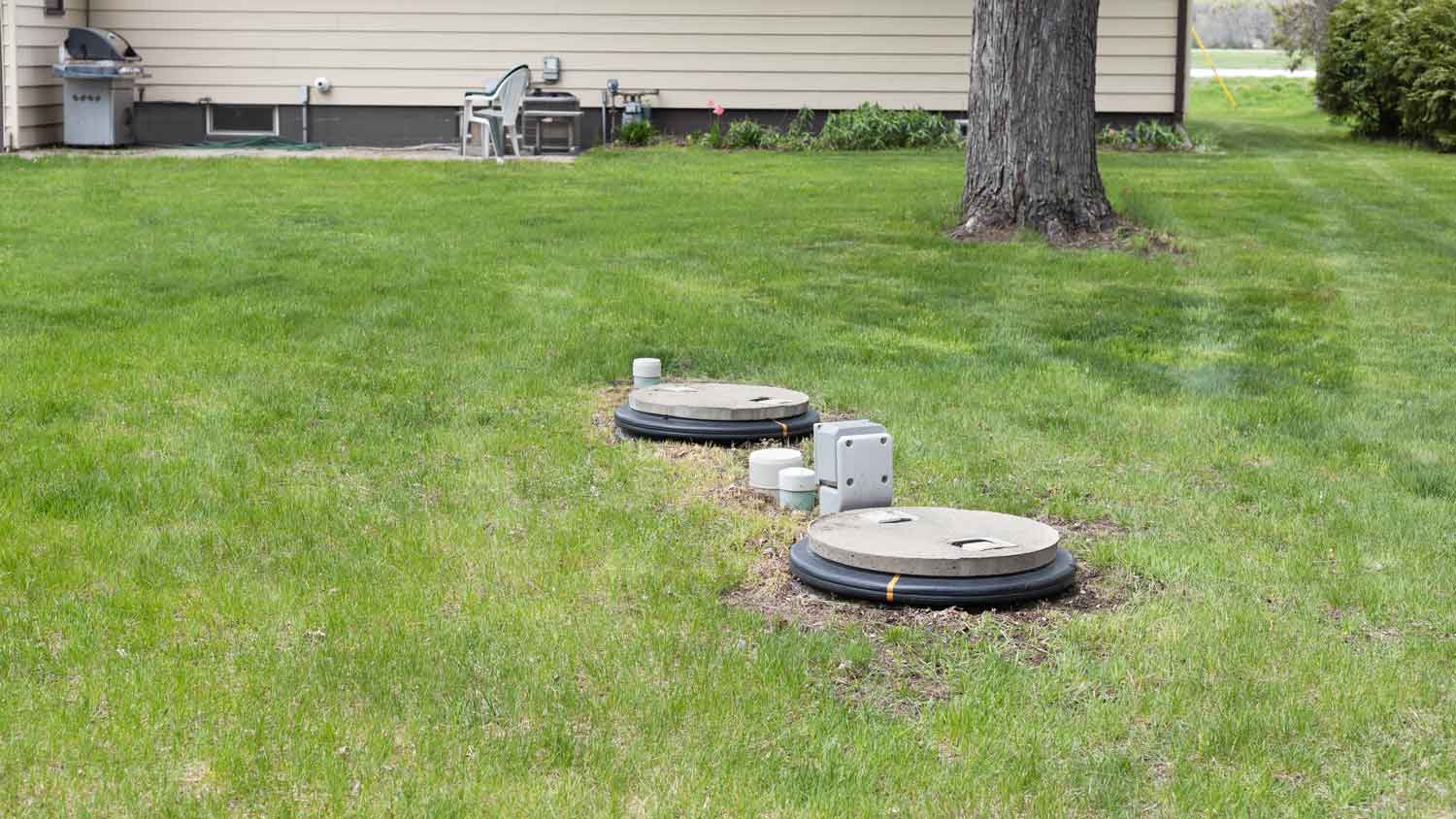
A perc test for septic analyzes the absorption rate of the soil where a tank is going to be installed. Learn more about the test, cost, and passing grades.