The driveway apron is a technical term referring to where a private driveway meets the public street. If there is a sidewalk in front of the house, the driveway apron is typically on the opposite side of the public sidewalk from the driveway itself.
In most cases, driveway repair is worth the investment. Your driveway is one of the first things people see when they look at your home, so repairing cracks, chips, and potholes can improve your home’s curb appeal and overall value. Repairing your driveway is also almost always more affordable than replacing it entirely—an average of $1,765 compared to the cost of replacing a driveway, which typically costs around $5,000.
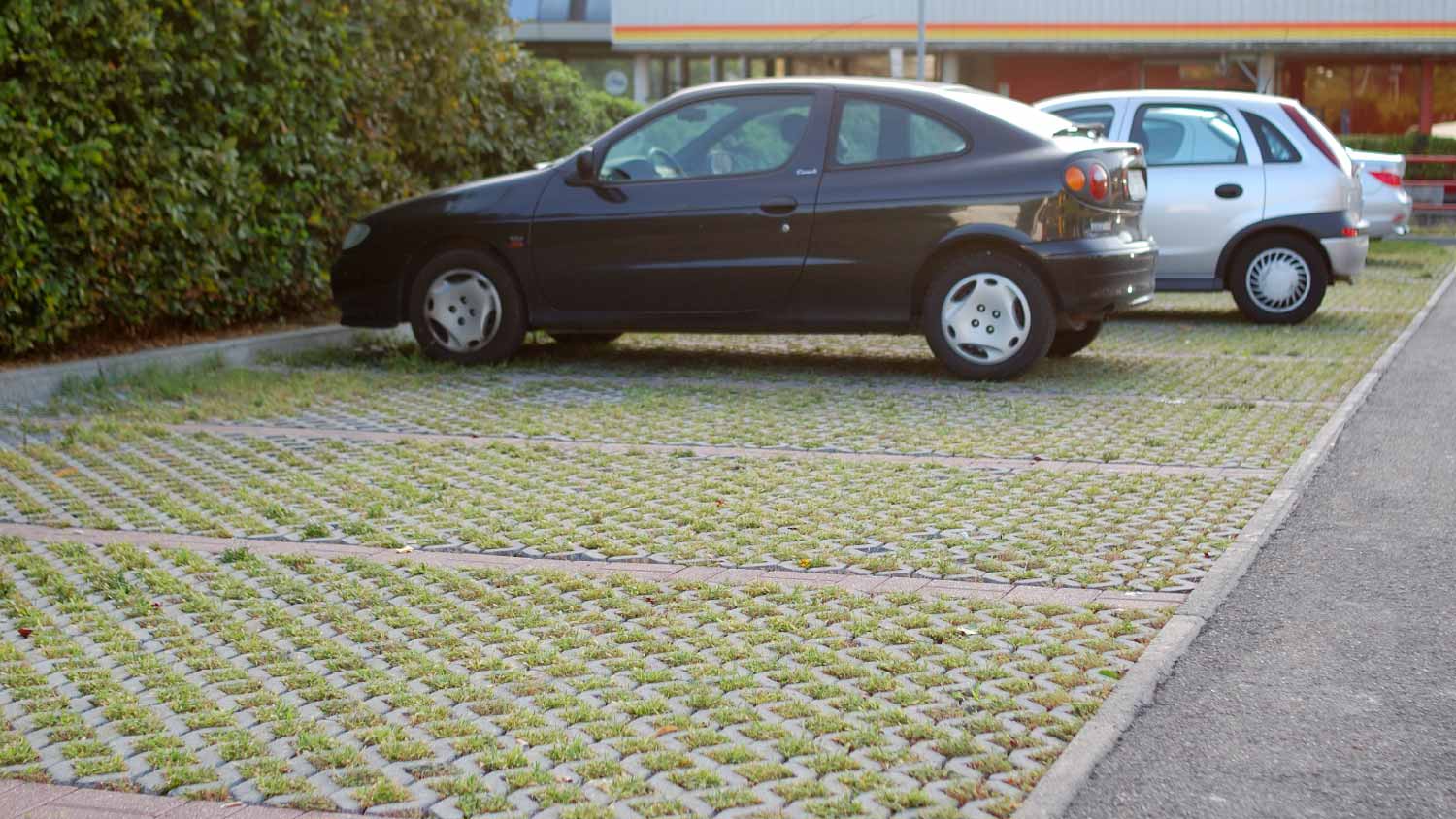
Permeable paving is a good option for a lot of reasons. It can help prevent flooding, keeps harmful chemicals from polluting our water, and can divert water away from your home’s foundation. Plus, it can add a rustic aesthetic to your outdoor area, might prevent pests who breed in water, and may even qualify for tax rebates.
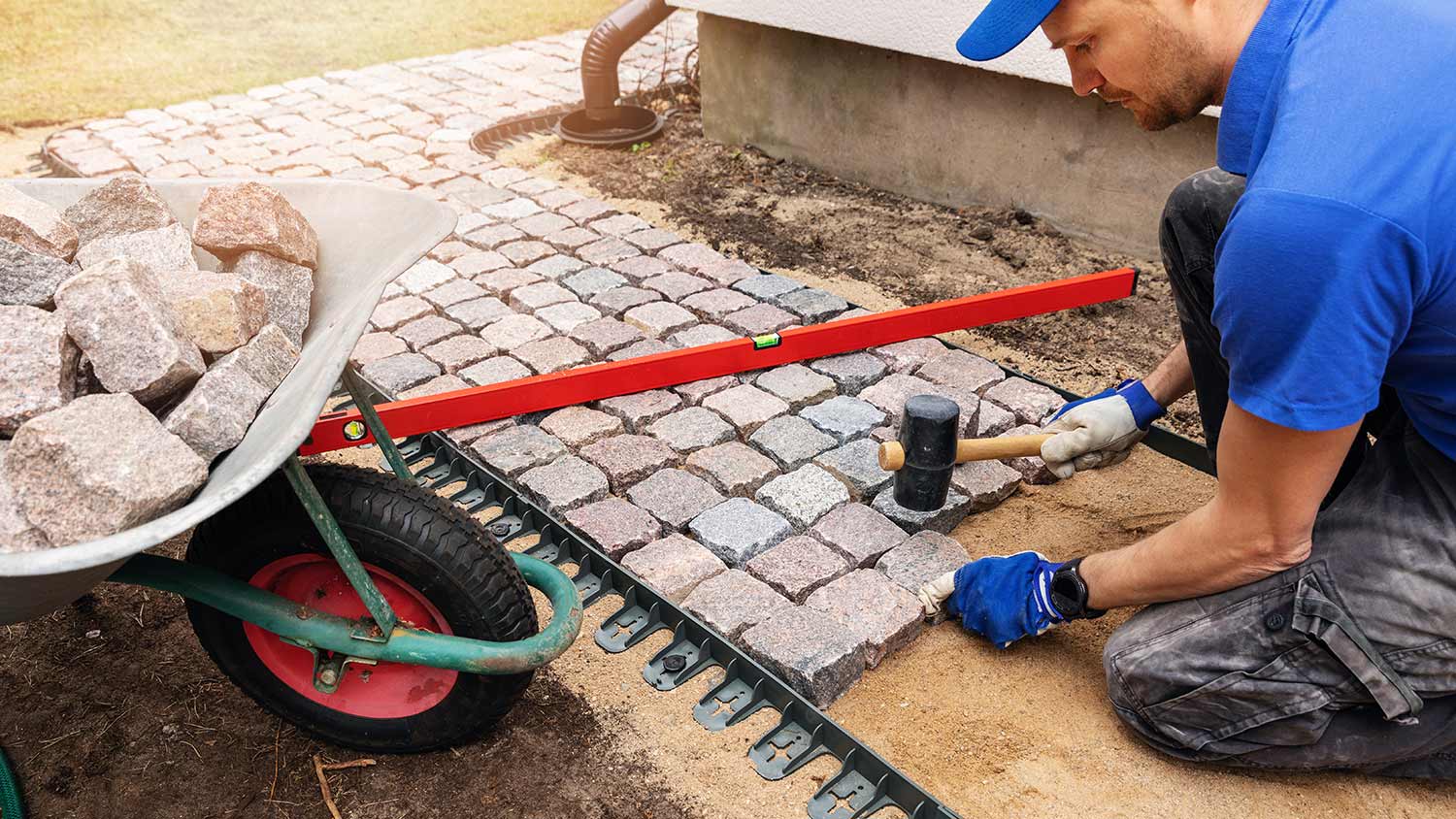
You should place a layer of thick landscaping fabric directly over the concrete slab and then a thin layer of leveling sand over that to protect the pavers from moisture. For border pavers, you should plan on locking them in place with polyurethane adhesive. This will prevent them from shifting under foot traffic.
The best way to stop your pavers from sinking is to ensure you've properly compacted the base layers. Use your paver compactor and work over the base layer several times to create the hardest possible base. If the soil and sand of your base are compact, you’ll experience less shifting and sinking.
The Benkelman, NE homeowners’ guide to paving services
From average costs to expert advice, get all the answers you need to get your job done.
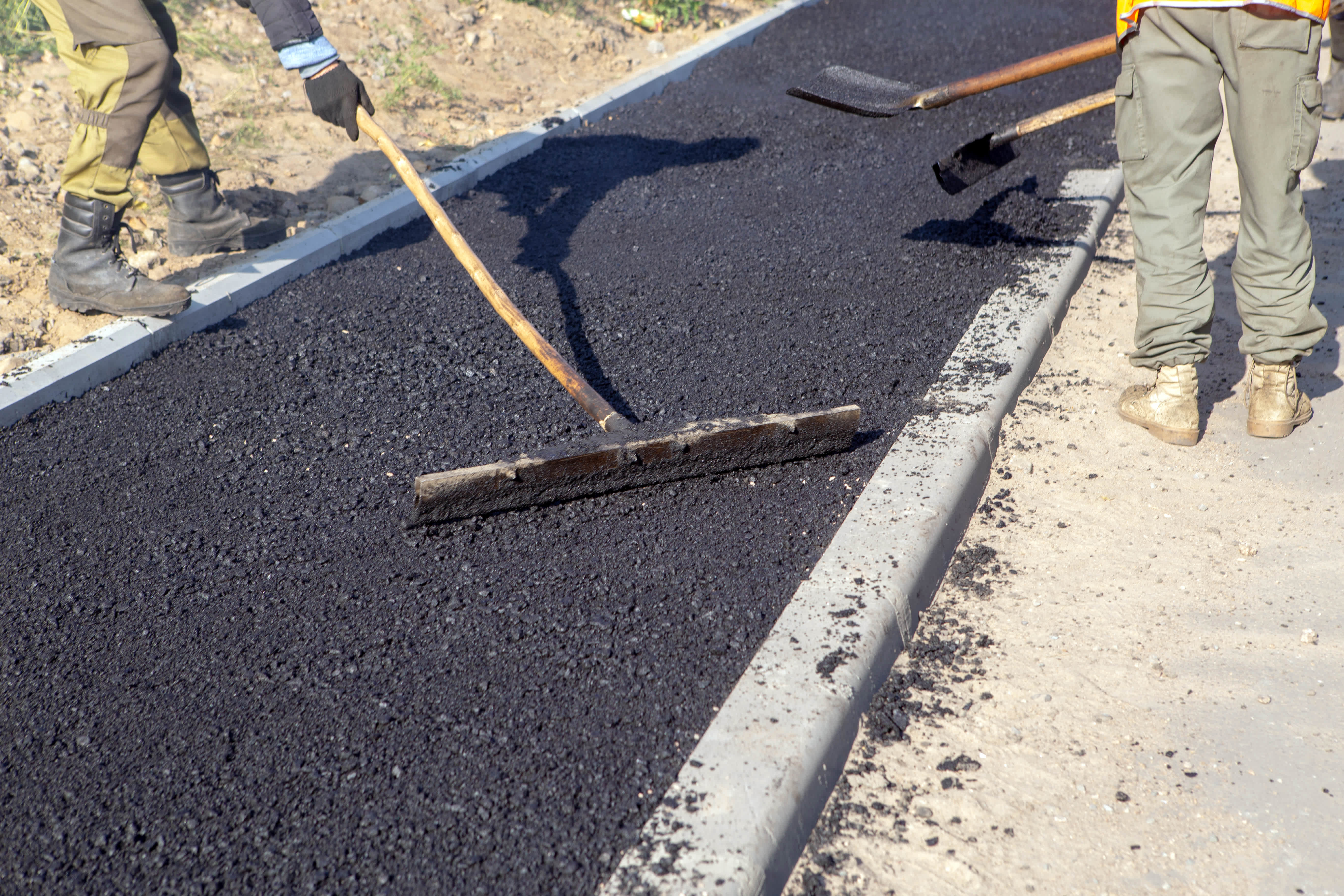
The cost of a tar and chip driveway falls between gravel and asphalt. Is this unique process the happy medium you've been looking for? Let's take a look.
Get proactive with marketing for your paving contractor business. Use these paving marketing ideas (ranked by budget and experience level) to grow your business, get more leads, and earn more money.