





Top-rated excavation pros.

Get matched with top excavation pros in Hershey, NE

Enter your zip and get matched with up to 5 pros

Need a pro for your excavation project in Hershey, NE?

Select your specific project to find the pro for you.

Find Excavation pros in Hershey

Excavating questions, answered by experts

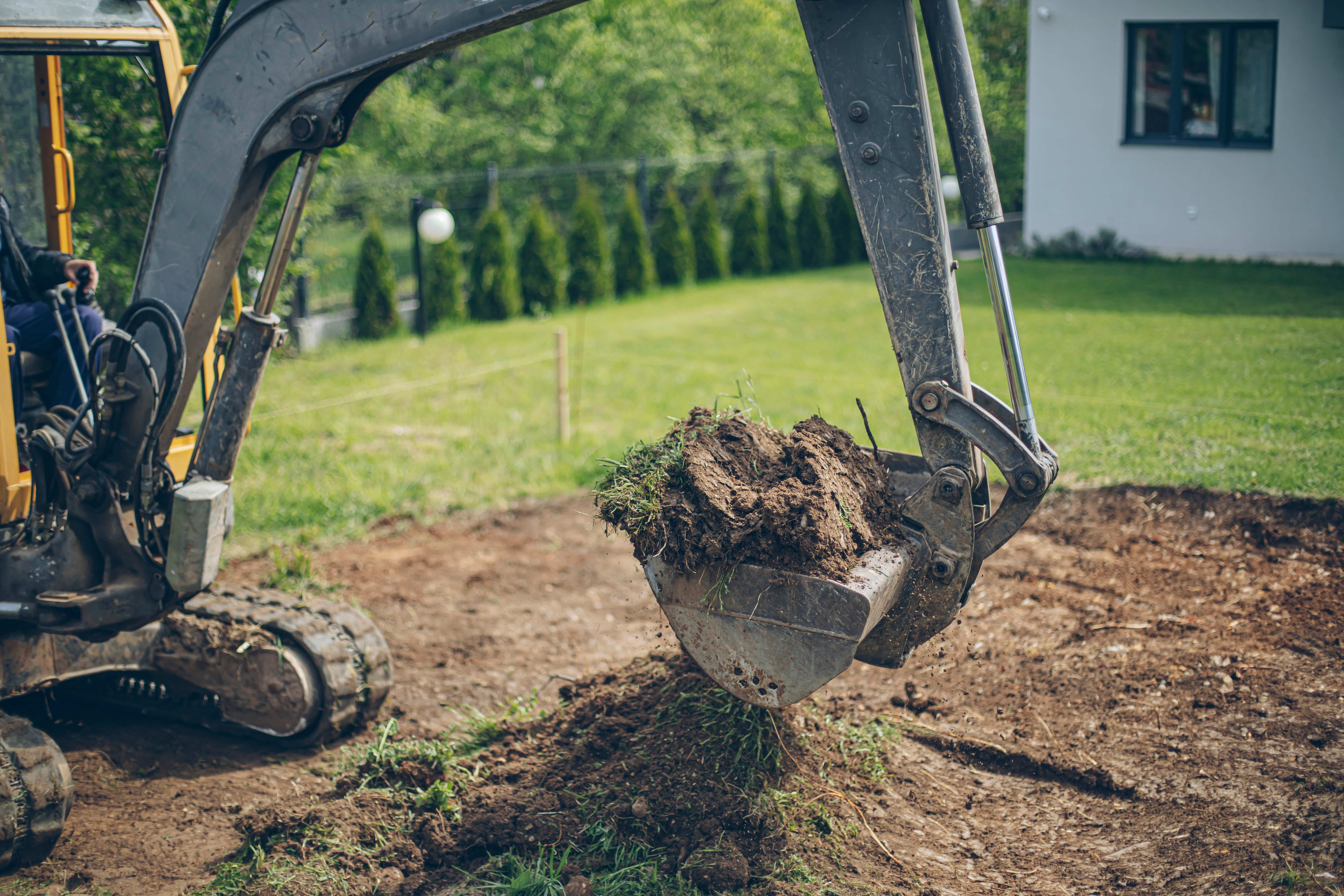
A mini excavator can dig between 5 and 11 feet deep, depending on the type and size of the mini excavator. Mini hydraulic excavators are more powerful and can reach deeper into the earth, but electric models have a more limited range. Mini excavators over two tons in size are also more powerful and able to dig as deep as 11 feet.

Trenching and boring are two distinct methods for installing underground utilities. Trenching involves digging a channel using equipment like an excavator, trencher, backhoe, or shovel. While it is a simpler process, it causes significant disruption to the surface, landscaping, and surrounding ecosystems.

Boring, also known as directional boring, is a less invasive alternative that uses a drill to create a tunnel for utility lines without disturbing the surface. This method is more precise and is ideal for installations that need to go underneath buildings, roads, or bodies of water. Although boring is less disruptive, it is generally more expensive than trenching.

Drilled wells have a pipe sticking up that’s covered in a plastic or metal casing. On the other hand, a dug well will look like a big hole in the ground and is more similar to what you’d see in a fantasy or Western movie. If you want to be sure, contact the city for documentation on your property’s construction and excavation history. 

Trenches are typically 12 to 24 inches deep and 8 inches wide. However, the required depth depends on the specific project and local ordinances. For example, a French drain may need to be 18 inches deep, while a water pipe might require a depth of 24 inches and a drainage pipe 36 inches. Your city or county may have specific regulations, so it's wise to consult with an excavation professional to determine the correct depth for your project.

You can bury underground electrical wire six inches deep—but only if you use a rigid metal electrical conduit. For rigid, non-metallic conduits, bury the wire at least 12 inches deep. If using an underground feeder cable rated for direct burial, you'll need to place it at least 18 inches deep, as it has no conduit for extra protection.

The Hershey, NE homeowners’ guide to excavation services

From average costs to expert advice, get all the answers you need to get your job done.

What do you need done? We’ll find top pros.
  • 🌱 "Mow a small front yard"
  • 🛠 "Fix a leaking pipe under the sink"
  • 🏠 "Repair shingles on an asphalt roof"