





Top-rated excavation pros.

Get matched with top excavation pros in North Platte, NE

Enter your zip and get matched with up to 5 pros

Need a pro for your excavation project in North Platte, NE?

Select your specific project to find the pro for you.

Find Excavation pros in North Platte

Troutman Contracting, LLC
5.0(
1
)
Building Site - Preparation and ClearingBuilding Site - Preparation and Clearing - For BusinessExcavation - Major Grading or Resloping+2 more

Serving North Platte, NE and surrounding areas

In business since 2018

Free estimates

Credit card accepted

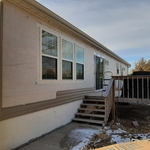
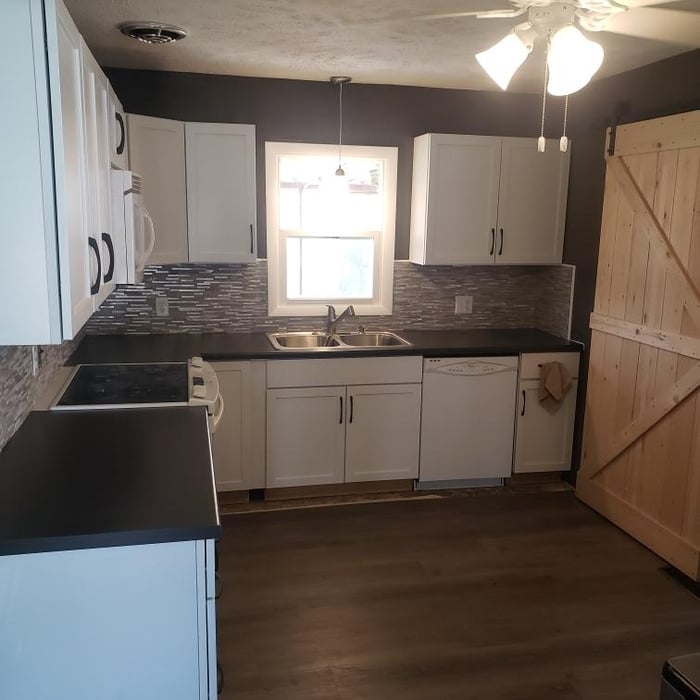
"Troutman Contracting took out old chain link fencing and installed new wood privacy fencing. They also took out old flooring and installed new vinyl wood flooring throughout my home. I couldnâ t be happier with the work done!"
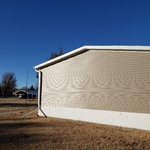
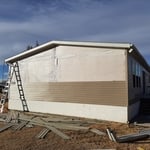
New siding
Vinyl siding hail damage
Remove damaged siding
Countertops/Backsplash

+14

Response time2 days
Recommended by100%of homeowners
Excavating questions, answered by experts

Trenches are typically 12 to 24 inches deep and 8 inches wide. However, the required depth depends on the specific project and local ordinances. For example, a French drain may need to be 18 inches deep, while a water pipe might require a depth of 24 inches and a drainage pipe 36 inches. Your city or county may have specific regulations, so it's wise to consult with an excavation professional to determine the correct depth for your project.

Call 811 to locate and mark the gas lines at least three days before digging. In many areas, you can dig within 18 inches of the lines, though in some locations, the distance may be further. Check local regulations, as you may need a utility company representative onsite when digging. Document your calls to 811 and precautions taken to avoid gas lines. A homeowner can be held liable for hitting a gas line in some cases, but contacting the proper authorities and following all guidelines can offer protection.

Water lines are buried at various depths, depending on the type of line. For example, most sprinkler lines are buried between four and 12 inches underground. On the other hand, water mains usually sit between one and 3 feet below ground. However, they can go even deeper in cold climates to prevent freezing.

There are many ways to cut through roots when digging, especially if your trencher doesn’t seem to be removing the roots. First, use a shovel to expose the roots. Then, use gardening shears to clear out smaller roots or a reciprocating saw to remove larger plant roots. If you plan on keeping the plant, avoid cutting any roots over 2 inches thick.

Above ground pools are not buried in the ground. Typically, above ground pools are semi-permanent. One reason they’re more affordable is that you don’t have to dig for an inground pool and pour concrete or another material. However, you can choose to install a semi inground pool, which is a hybrid between the two.

The North Platte, NE homeowners’ guide to excavation services

From average costs to expert advice, get all the answers you need to get your job done.