






Top-rated deck cleaning pros.

Get matched with top deck cleaning pros in Gibbon, NE

Enter your zip and get matched with up to 5 pros

Need a pro for your deck cleaning project in Gibbon, NE?

Select your specific project to find the pro for you.

TRUSTED BY GIBBON, NE HOMEOWNERS

  • Average homeowner rating star icon5
    Average homeowner rating
  • Verified reviews icon13
    Verified deck cleaning services reviews

Find Deck cleaning pros in Gibbon

Avatar for Unlimited Handyman Services
Unlimited Handyman Services
2.5(
12
)

Serving Gibbon, NE and surrounding areas

In business since 2021

Free estimates

Offers commercial services

"I'm happy I hired Unlimited Handyman Services to clean my dryer vent. They are professional, down-to-business in getting the job done at a reasonable, fair price ??. They're at the top of my list for jobs around the house that aren't run-of-the-mill."
Response time1 day
Recommended by44%of homeowners

Showing 1-10 of 38
Deck Cleaning questions, answered by experts

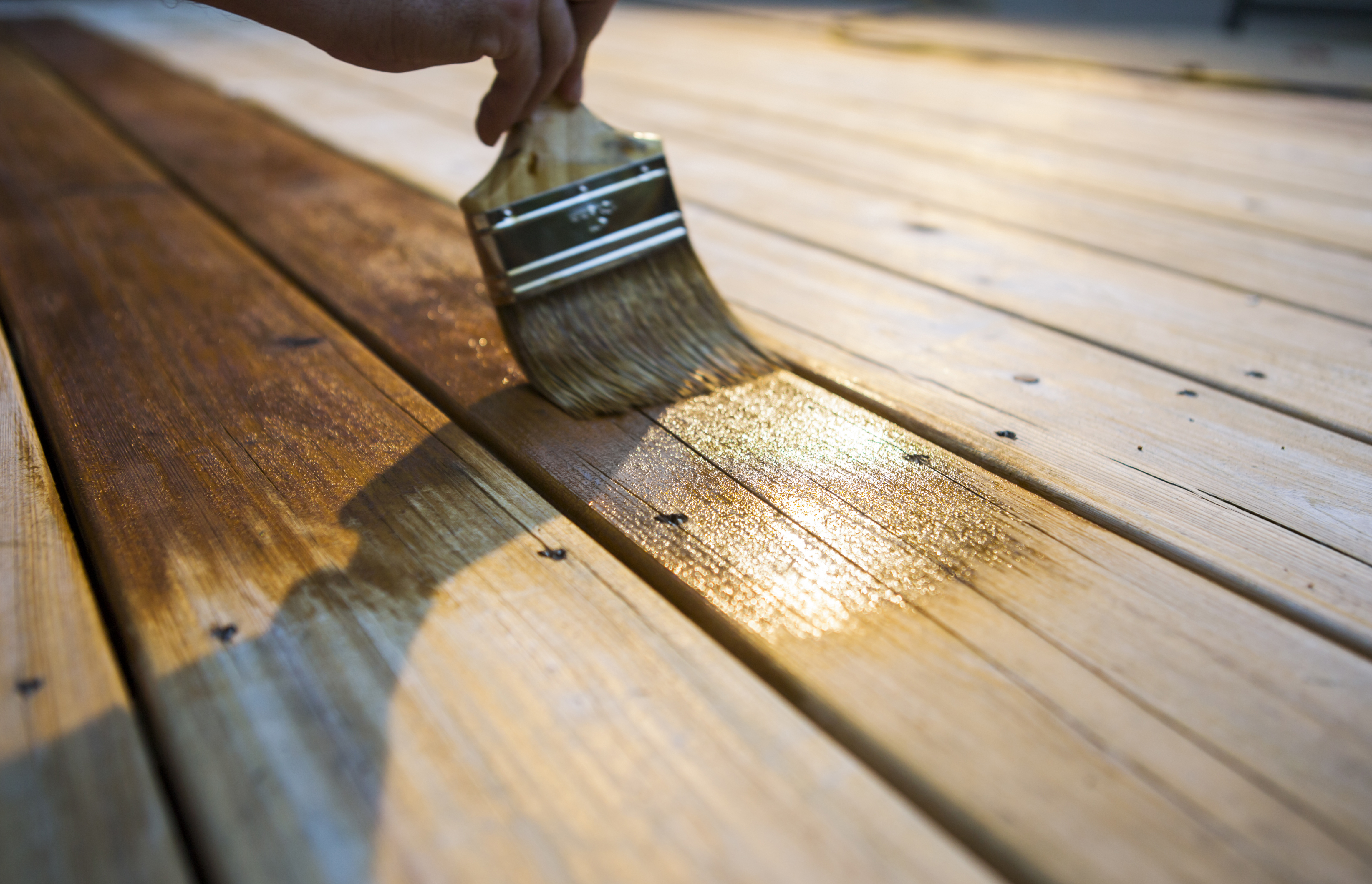
Applying too much sealer to a deck might seem like extra protection, but it can cause more harm than good. Wood is a porous material with a limited capacity to absorb liquids. When you go overboard with sealer, the excess can't soak in and instead forms a film on the surface. This leftover layer is prone to peeling, cracking, and trapping moisture, ultimately defeating the purpose of sealing in the first place. 

Pavers are a great decking option for pools. They’re customizable, come in a variety of shapes, sizes, colors, textures, materials, and price points, and they’re slip-resistant. Concrete pool decks, on the other hand, are harder to repair and replace if damaged and aren’t as slip-resistant as most paver materials. However, not all pavers are equal in terms of durability, maintenance, and performance. Pavers also have their own cons that may encourage homeowners to opt for stamped concrete instead, such as higher upfront costs.

In most cases, your deck will need some form of deck footing to hold it in place, preventing moisture from rotting your wood and decreasing your deck’s lifespan. Concrete deck blocks are the most common type of footing for floating decks. Some homeowners use ground-level deck footings. For added security, consider digging and laying your ground-level footings below ground.

Yes, Ipe wood is a popular high-end choice for pool decking. It repels water and is naturally slip-resistant. It's not susceptible to mold, mildew, or rot, either, so it lasts longer and is cleaner and more hygienic than other popular decking materials. However, remember that due to its status, it is a very high-cost wood, and you might find that an alternative would serve you just as well for significantly less.

In many areas, a floating deck that isn’t connected to your home and stays under 200 square feet and below 30 inches in height may not need a permit. These freestanding structures are often considered low-risk, which can simplify the building process. However, building codes vary greatly based on location. Before investing in any home improvement project, check with your local permitting office for deck-building guidelines.

The Gibbon, NE homeowners’ guide to deck cleaning services

From average costs to expert advice, get all the answers you need to get your job done.