







Top-rated deck cleaning pros.

Get matched with top deck cleaning pros in Shelton, NE

Enter your zip and get matched with up to 5 pros

Need a pro for your deck cleaning project in Shelton, NE?

Select your specific project to find the pro for you.

TRUSTED BY SHELTON, NE HOMEOWNERS

  • Average homeowner rating star icon5
    Average homeowner rating
  • Verified reviews icon13
    Verified deck cleaning services reviews

Find Deck cleaning pros in Shelton

Avatar for JN Cleaning Services
JN Cleaning Services
4.0(
5
)
Deck, Fence, Patio or Porch - Clean and Seal

Serving Shelton, NE and surrounding areas

In business since 2020

Free estimates

Credit card accepted

"Jesus and his team did an excellent job. The project took longer than anticipated but Jesus still only charged me what he had quoted. I was happy to see there was a tip option when I paid. It was well worth the money."
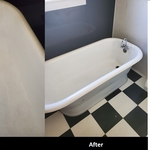
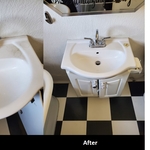
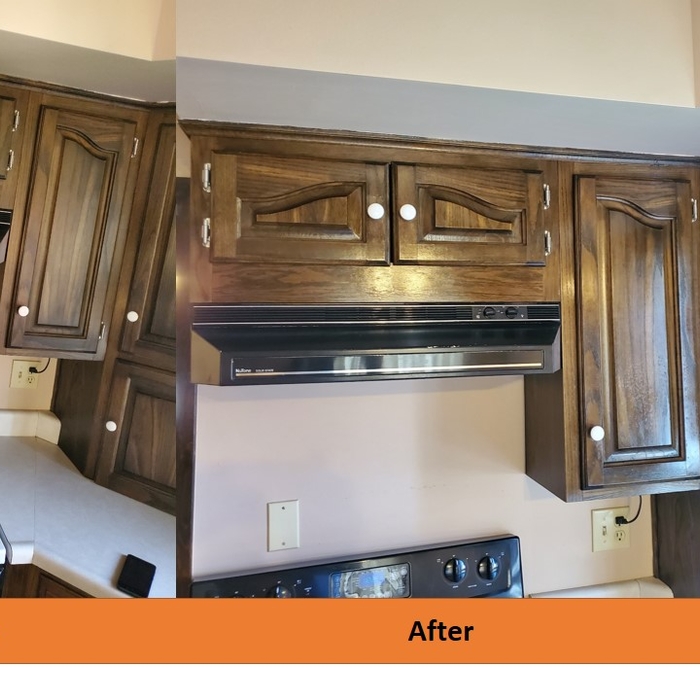
Collage before and after
Bathtup collage
kitchen shining
Sink Cleaning
Cabinets Shining

+18

Response time2 hrs
Response rate85%
Recommended by100%of homeowners

Showing 1-10 of 43
Deck Cleaning questions, answered by experts

Wood decks need to be replaced every 10 to 15 years on average. Natural wood is highly vulnerable to infiltration and damage from moisture, which can occur rapidly due to exposure to outdoor elements. You can protect your deck and maximize its lifespan by sealing it every year or two.

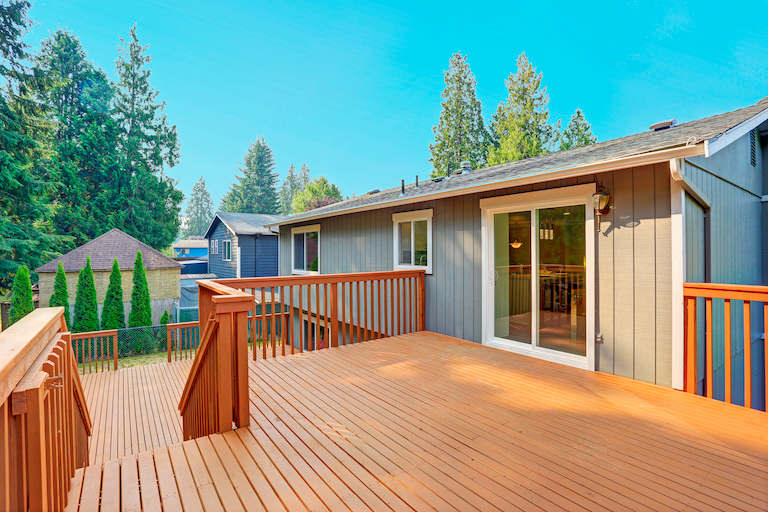
As with patios, there are many types of deck choices to choose from to add personalization to your home. Some common deck options include:

  • Attached decks are anchored to the home and include simple ground-level options or multi-level structures with stairways and separate landings. 

  • Detached island decks are not attached to the home; they’re a freestanding structure in the yard. 

  • Wraparound decks connect the back of the house with at least one other side and often are built with railings for safety. 

  • Multi-level decks connect your deck through varying levels of elevation, featuring landings that are attached to stairs.

The best direction for a gate to swing depends on its location and purpose, but swinging inward is the general rule. An inward swing is often considered safer, prevents the gate from opening into public spaces like a sidewalk, and may be required by local building codes.

There are exceptions and specific considerations. If your property is on a slope, an inward swing might not be possible. For a deck gate, it's safest to have it swing away from any steps. In a backyard, the direction can be a matter of preference, though an inward swing can be helpful when carrying heavy items like a wheelbarrow into a garden.

Regardless of direction, ensure the gate can open fully without hitting any objects or blocking spaces. While an inward swing is standard, a gate that can swing both in and out offers the most flexibility if your setup allows for it.

Rot loves moisture, so deck rot typically impacts the parts of a board that stay wet. This includes the underside of boards, in addition to support posts and joists. However, any part of a board can rot, given the right conditions. 

Footings for ground-level decks need to be at least 12 inches deep, and some areas require them to be even deeper. A standard range for deck footings is anywhere from 12 to 48 inches. The minimum footing depth is determined by an area’s frost line and soil conditions. If you’re unsure how deep to install deck footings, check local building codes to find the minimum footing depth in your area. 

The Shelton, NE homeowners’ guide to deck cleaning services

From average costs to expert advice, get all the answers you need to get your job done.