

Top-rated generator install pros.

Get matched with top generator install pros in Clarkson, NE

Enter your zip and get matched with up to 5 pros

Need a pro for your generator install project in Clarkson, NE?

Select your specific project to find the pro for you.

Find Generator install pros in Clarkson

Avatar for JP Electric, Inc.
JP Electric, Inc.
5.0(
21
)

Serving Clarkson, NE and surrounding areas

In business since 2004

Free estimates

Emergency services offered

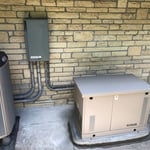
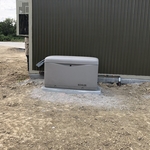
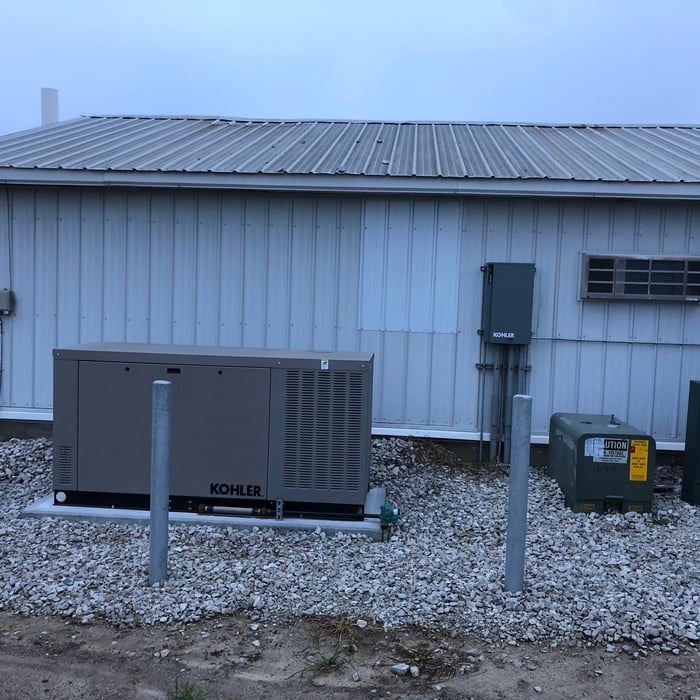
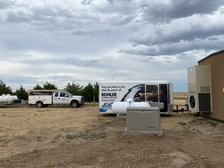
"JP Electric re-defines professionalism in every respect... We had two Kohler generators installed on adjacent properties, and from the initial quote to the final cleanup we were dealing with superbly qualified and professional individuals. The installation was A+ in terms of fit and finish, and Jeff was on top of every aspect of the process, even lining-up the gas company, and the permit officials so that the tasks to be done inside could fit our schedules. We will have JP Electric install another generator at a rental property next Spring and we look forward to what we already know will be a great installation and follow-up service!"
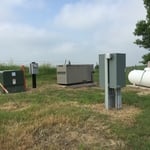
Kohler 48RCL
KOHLER 20RESD
KOHLER 20RESC
KOHLER 60KW industrial
Kohler 48RCL

+22

Response time1 day
Response rate89%
Recommended by95%of homeowners

Generator Install questions, answered by experts

If your home already has a grinder pump and you’re still noticing issues (like frequently clogged toilets and sinks), it could be time to upgrade your grinder pump. Start by checking your existing horsepower. If there are four or fewer people living in your home, using a 1/2-horsepower grinder pump should be sufficient. Larger households should consider investing in a 1-horsepower grinder pump to maximize wastewater removal efforts.

Here’s what you can run with different wattages and types of generators:

Portable generator:

  • 2,000 watts can handle a large appliance like a freezer or refrigerator, plus a few smaller items like phones or computer chargers. 

  • 4,000 watts will keep two large appliances operating and a few smaller devices.

  • 8,000 watts should power most essential appliances and other devices, including a sump pump, well pump, or your dishwasher.

Partial to whole-house generator:

  • 20,000 watts and above will make it seem like your home’s power is still on.

A 1,500 square foot home will likely need a 15kW to 20kW generator. When deciding on whole-house generator size, add up the total wattage of the devices that you’d like to continue running during a power outage. That way, you can ensure you purchase a generator that can power your necessary appliances or medical equipment during an electrical emergency.

Whole-house generators can run continuously for extended periods, even for weeks at a time (around 400 to 500 hours), as long as they have a sufficient fuel supply. However, this type of extensive use will increase wear and tear and can shorten the generator's overall lifespan. During long periods of operation, it's important to check and refill the engine oil as needed, potentially as frequently as daily depending on the model. If your generator uses a fuel tank, ensure it is kept full to prevent unexpected shutdowns.

Carbon monoxide emissions aren’t only dangerous to human life, but they also harm our planet. While natural gas generators emit lower levels of CO than other fuel sources, there are still ways to reduce emission levels. For example, shop around for an eco-friendly generator that complies with current emission standards. Also, make sure your generator is serviced regularly to avoid CO buildup. 

The Clarkson, NE homeowners’ guide to generator installs

From average costs to expert advice, get all the answers you need to get your job done.