

Top-rated paving pros.

Get matched with top paving pros in Bertrand, NE

Enter your zip and get matched with up to 5 pros

Need a pro for your paving service project in Bertrand, NE?

Select your specific project to find the pro for you.

Find Paving pros in Bertrand

Spike Masonry
New to Angi

Serving Bertrand, NE and surrounding areas

In business since 1990

Free estimates

Spike Masonry has the experience and knowledge necessary to make sure that your project is completed on time with quality service and workmanship. Your satisfaction is important to us. Let us show you the difference true professionalism can mean to you. We are a family owned business and we want everything to be done 110%. It�s all about the customer and what YOU want, plain and simple. Positive attitudes, responsible, reliable, fast and perfect! If you want professional work, positive attitudes, strive for perfection, clean work places, fast work and caring contractors, then you want Spike Masonry to do your work! Thank you for considering Spike Masonry and we look forward to impressing you!

Paving Services questions, answered by experts

The answer to whether or not you need to get a permit before you start your driveway can vary widely based on local ordinances and the scope of your driveway ideas. In most urban and suburban areas, a permit is needed before building a new driveway to ensure that a homeowner is using safe materials and proper drainage practices while designing and constructing a new driveway. In some rural areas, a homeowner may not be required to apply for a permit. When building a new driveway on your own, always check with your local building department to see if you need to request a permit. When hiring a driveway contractor, verify that the right permits are being used before driveway construction begins.

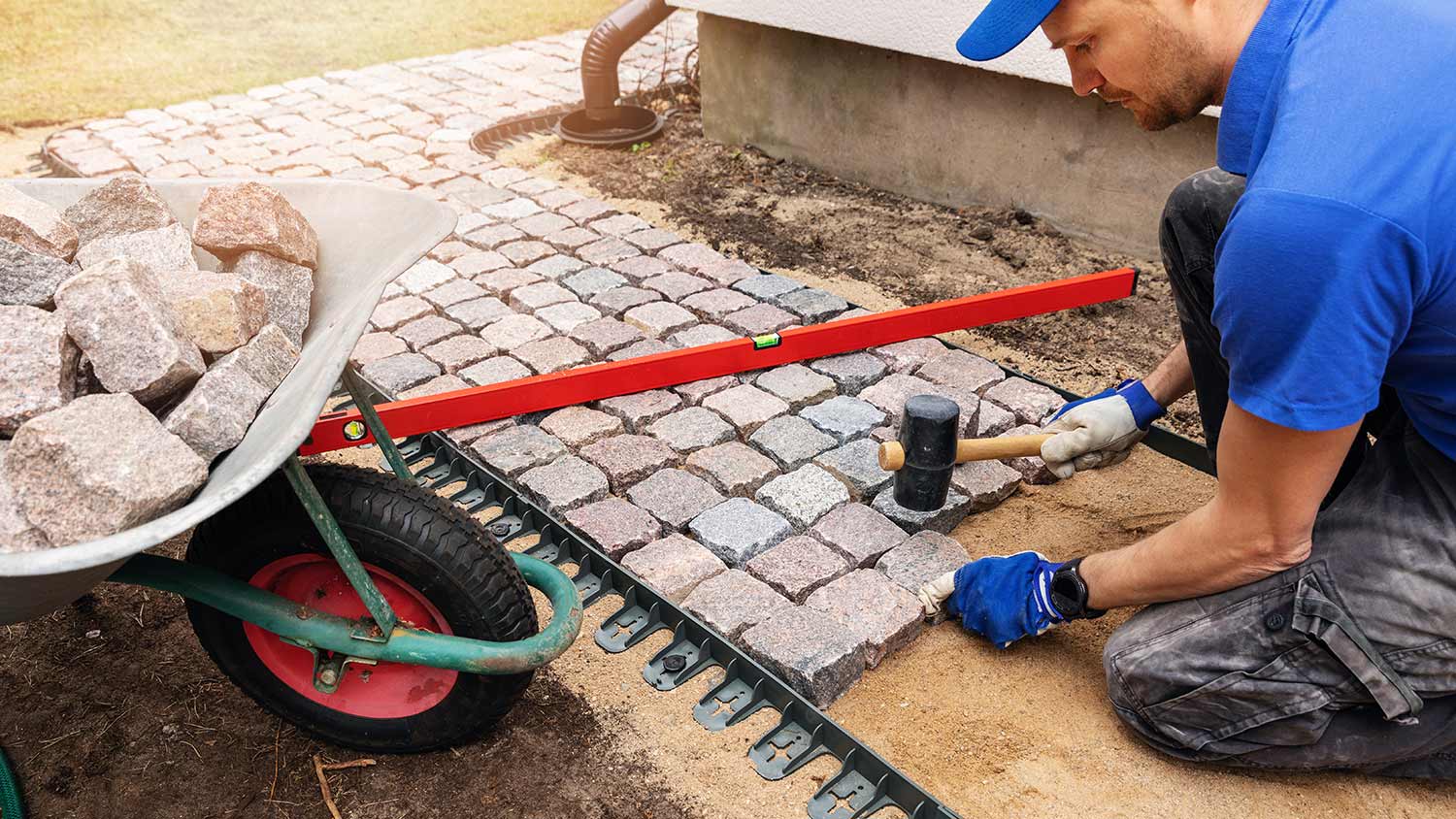
Generally speaking, tiles are for indoor use, while pavers are for outdoor use. The main difference between travertine tiles and pavers is their thickness. Tiles are around 1/2 inch thick, and pavers are 1 1/4 inches to 2 inches thick.

Pavers are more rugged and can handle different weather. The extra thickness on pavers also makes them ideal for high-traffic areas.

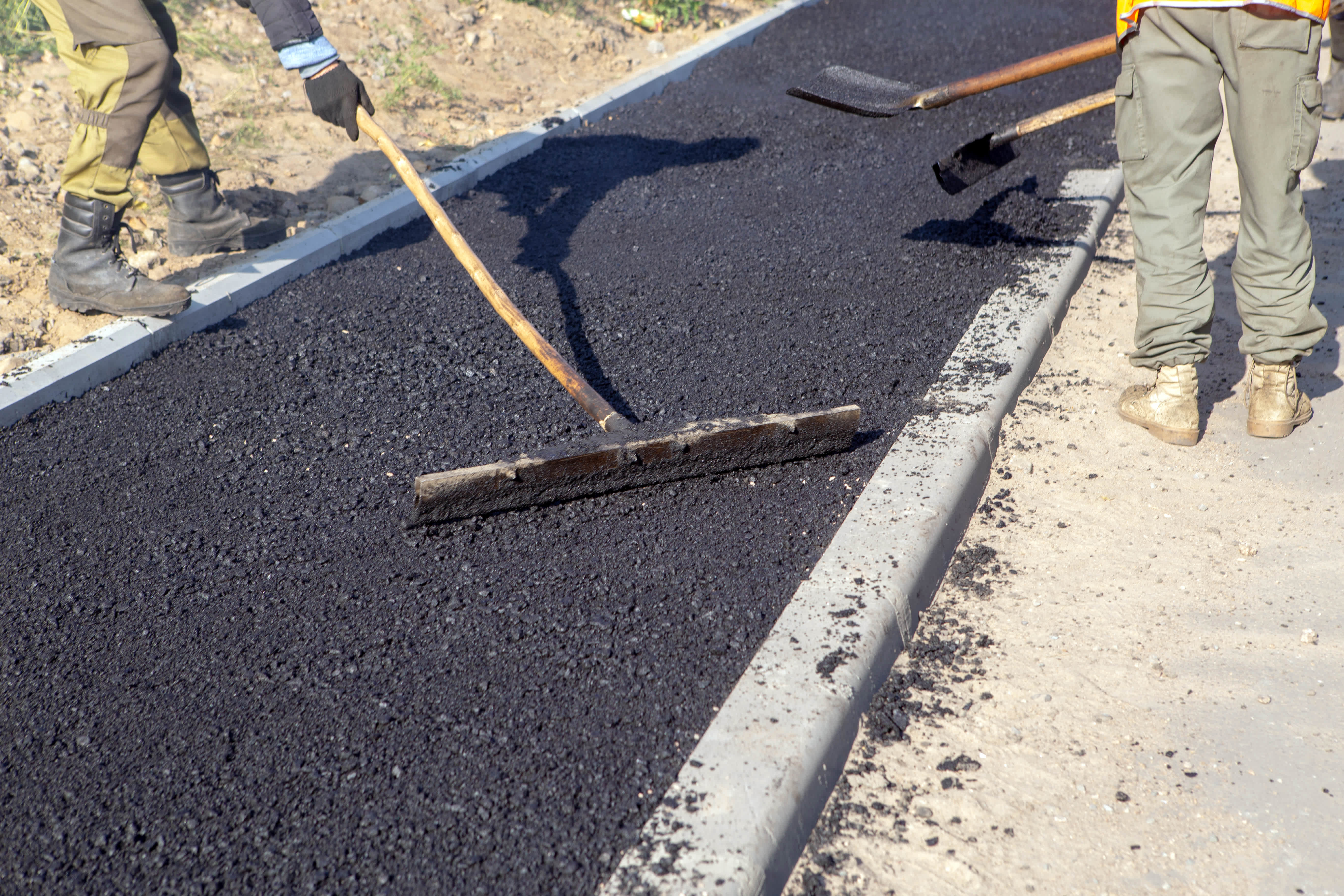
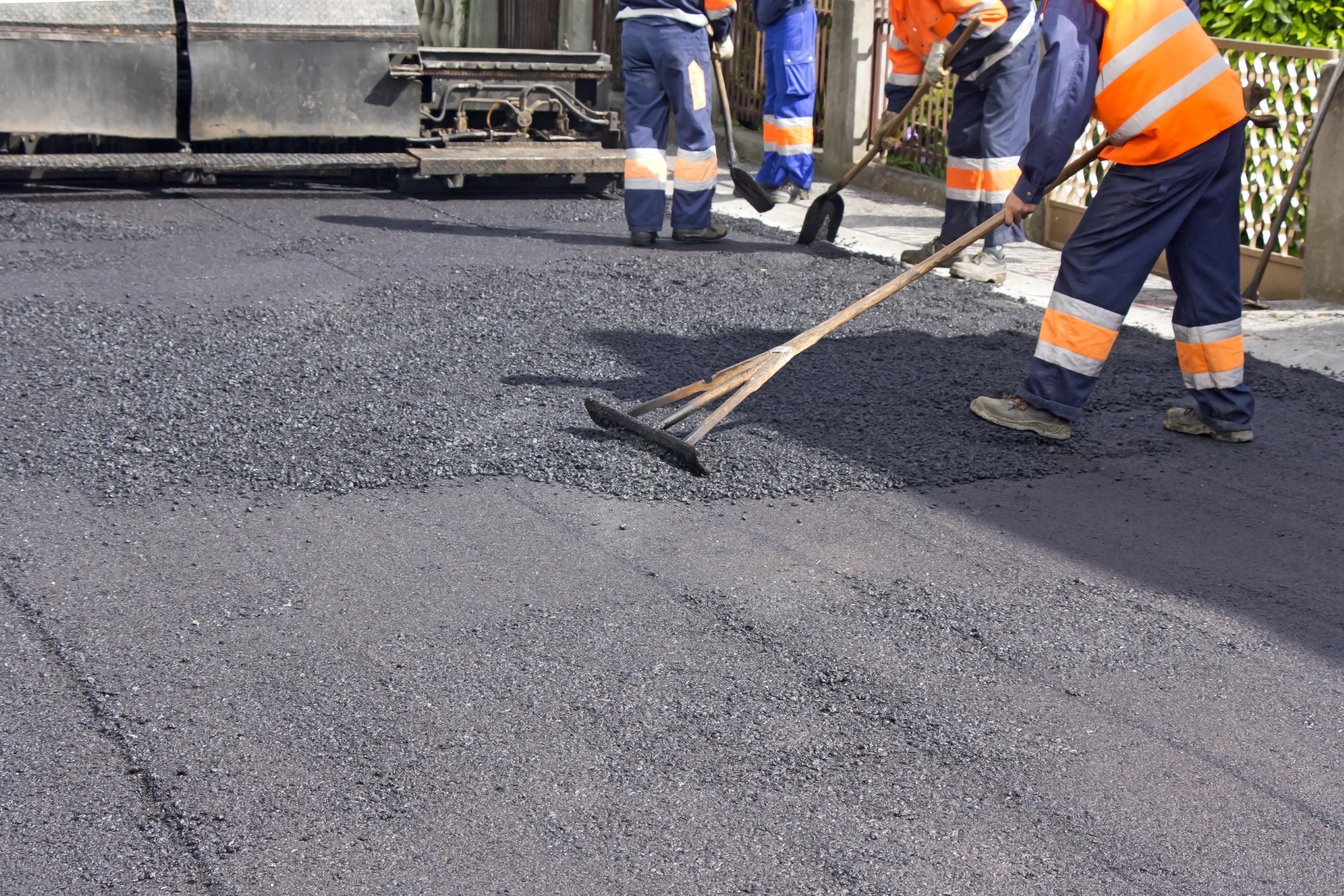
Three inches is a great thickness for a residential asphalt driveway that sees minimal to moderate traffic from cars, SUVs, and pickup trucks. However, a thicker driveway can better withstand the weight of a heavier vehicle, such as a trailer or a recreational vehicle. If you drive a heavy vehicle on a thin driveway, you risk cracking and damaging it.

Whether it's worth it to install a heated driveway depends on how often you'll use it, your lifestyle, and your budget. If you live in a mild climate with little snowfall, then installing a built-in heated driveway system may not be worth it. If you live in a region that experiences mild snowfall, then a portable mat could work better. However, if you live in a region with heavy snowfall, it makes sense to invest in a built-in heated driveway. 

Building a road on a slope requires careful planning and will normally require a drainage system underneath to prevent flooding and damage to the road over time. Your professional may lengthen your road to create switchbacks if the slope directly to your home is too steep, as there are regulations for maximum road slope. The drainage system will help prevent runoff from the higher side of the slope from damaging the asphalt or concrete. Keep in mind that building a road on a slope isn’t a good DIY project, as a lot can go wrong.

The Bertrand, NE homeowners’ guide to paving services

From average costs to expert advice, get all the answers you need to get your job done.