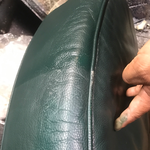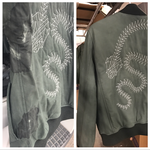
"When no one locally even responded to my inquiries for a quote, Michelle got back to me the same day with a quote and description of how the repair would be done. It's a slight downside to have to ship one glove coast to coast for a minor repair on one finger. But the cost of shipping and the repair is much less than purchasing another $100 pair of gloves! The repair took a little longer than anticipated, but shipping time had to be factored in as well. Michelle was very prompt with communications during the process. Cost of service below did not include shipping which was about $16 round trip. The glove returned good as new...well as good as it's pair. The glove is two years old. But the seam was totally resewn and reinforced. Michelle stated she did not want to the issue to happen again. I hope it won't. The problem started with my fingers rubbing. Very happy with the service from Premier. I wish they had a shop in Maryland!"
Upholstery Cleaning questions, answered by experts
Clean high-traffic areas such as kitchen surfaces, bathroom surfaces, and bedding once per week. Deep clean other areas every three months to a year. How you use a space can help you figure out how often it should be cleaned, with areas where eating, bathing, and food prep occur getting the most frequent attention.
To remove odor from a leather couch, let's focus first on what not to do.
A quick Google search may suggest using vinegar to do the job—don't. The acid will dry out anything made of leather. A better DIY option is to sprinkle a little baking soda on your sofa and let it rest for a few hours. Afterward, vacuum it up with a soft-attachment brush. You can also try airing your sofa by opening windows or leaving it outside for a few hours in a clean, dry space.
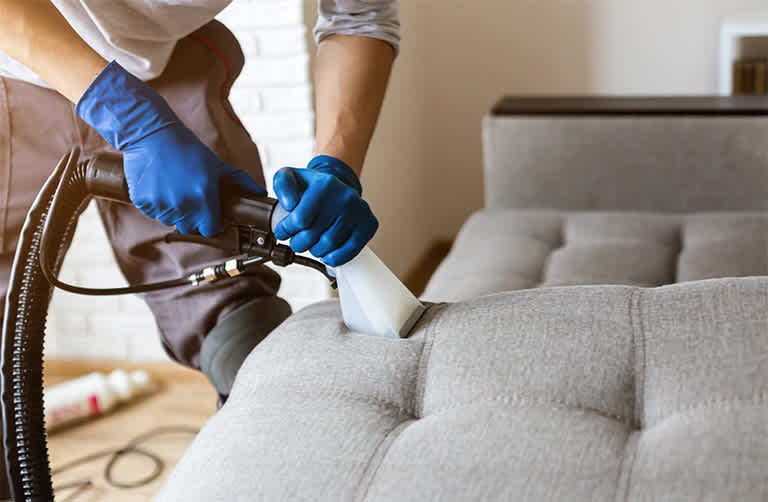
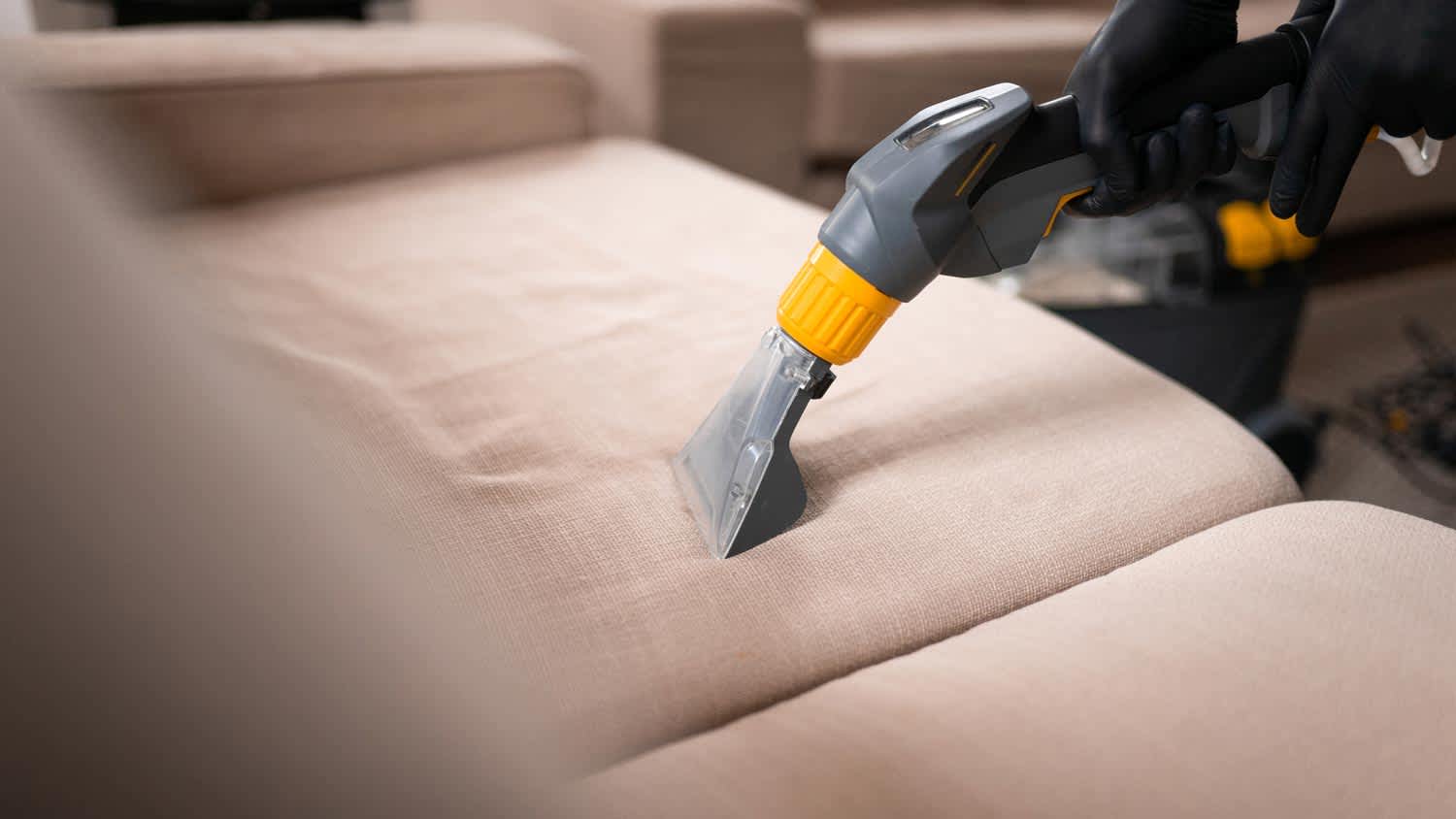
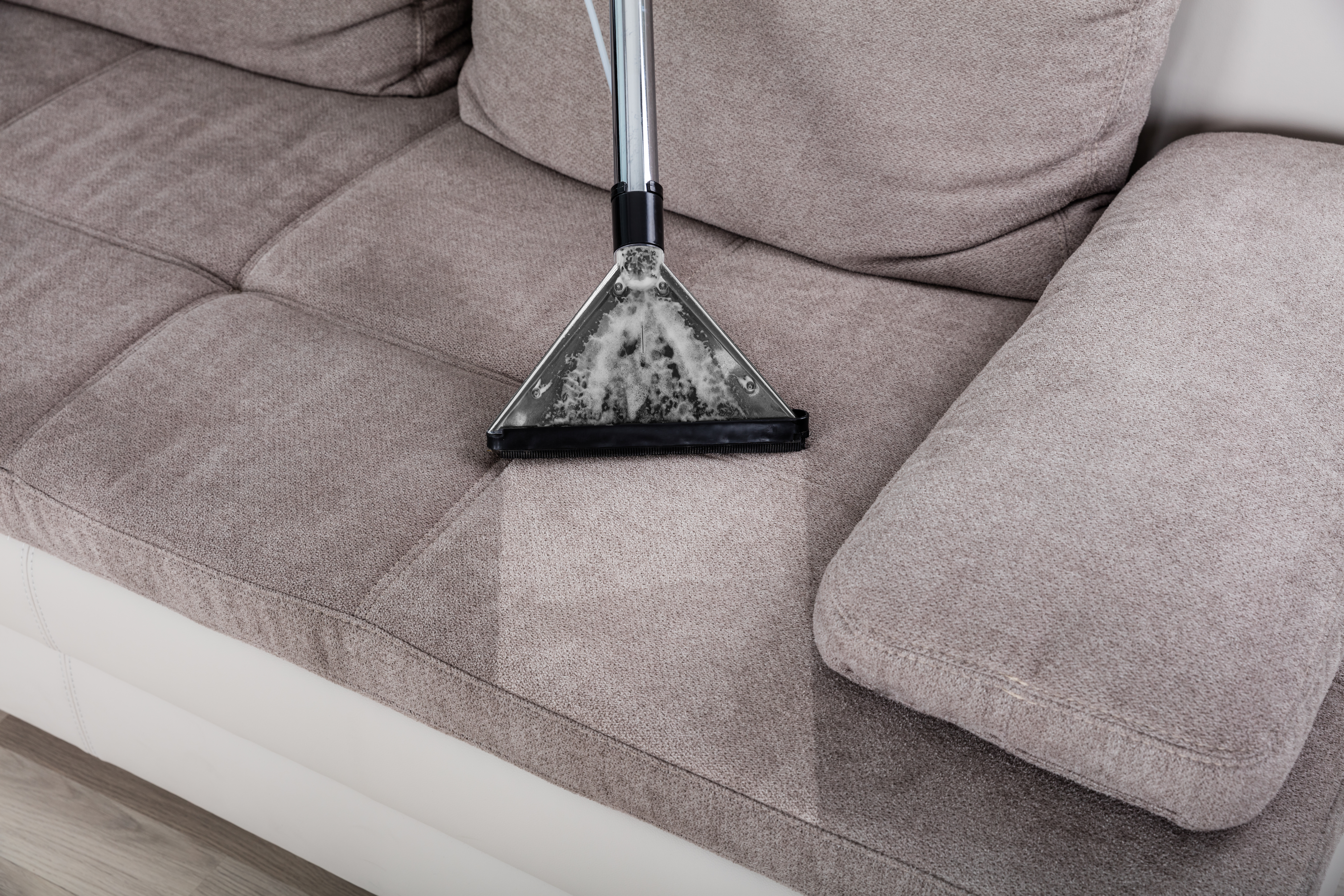
Professionals use pH-balanced solutions, fabric protectors, and safe steam cleaning technology for specific fabrics. These products are designed to break down dirt effectively without leaving residues.
The drying time for a couch or other upholstered furniture after cleaning can range from 1 to 24 hours, with a common estimate being 2 to 8 hours. This duration depends on several factors, including the type of fabric, the cleaning method used (such as steam cleaning or shampooing), the size of the furniture, and the room's temperature and humidity.
To speed up the drying process, you can use fans, a heater, or a dehumidifier, and increase ventilation by opening windows. Rotating the cushions can also help ensure they dry evenly. It is crucial to wait until the furniture is completely dry before sitting on it. Using it while damp can trap moisture, potentially causing mold, mildew, unpleasant odors, dye transfer, or permanent damage to the foam cushions.
Depending on the type of finish on your antique wood, the best cleaner is usually gentle dish soap or detergent heavily diluted with water. In more extreme cases, you can break down mildew with a carrier oil and distilled white vinegar. All in all, take as much care of antique wood furniture as you would when cleaning hardwood floors.
The Walhalla, ND homeowners’ guide to upholstery cleaning services
From average costs to expert advice, get all the answers you need to get your job done.
Wondering how much it costs to rent an upholstery cleaner? Get prices, cost factors, and money-saving tips for your next DIY upholstery cleaning project.
Mattress cleaning cost depends on the number of mattresses being cleaned and the size of each. Use this guide to better understand mattress cleaning prices.