"When no one locally even responded to my inquiries for a quote, Michelle got back to me the same day with a quote and description of how the repair would be done. It's a slight downside to have to ship one glove coast to coast for a minor repair on one finger. But the cost of shipping and the repair is much less than purchasing another $100 pair of gloves! The repair took a little longer than anticipated, but shipping time had to be factored in as well. Michelle was very prompt with communications during the process. Cost of service below did not include shipping which was about $16 round trip. The glove returned good as new...well as good as it's pair. The glove is two years old. But the seam was totally resewn and reinforced. Michelle stated she did not want to the issue to happen again. I hope it won't. The problem started with my fingers rubbing. Very happy with the service from Premier. I wish they had a shop in Maryland!"
Upholstery Cleaning questions, answered by experts
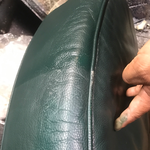
Ongoing maintenance of your leather furniture is the only way to prevent it from peeling and cracking. Real leather will peel and crack as it dries out. Leather conditioners are a great way to protect your leather furniture from drying out, and you’ll need to apply it about twice each year. It’s also a good idea to keep abrasive materials away from your leather to prevent cracking and peeling, including belt buckles, shoes, and multi-surface cleaners, especially those that contain alcohol.
To prevent water spots from appearing on your upholstered chairs after cleaning, avoid saturating the furniture or applying water directly on it, and don’t use direct heat to dry it. Instead, use damp (not wet) cloths and suds from water-based solutions and let your chairs air dry inside.
Yes. A good mixture to condition your leather is made from one tablespoon of natural baby soap, a splash of vinegar, and 2 cups of warm water. Mix these ingredients in a bowl and use a microfiber cloth to rub it into the leather in small circles.
You can apply the same technique with a mixture of one part vinegar and two parts linseed oil. Once you’ve applied this to leather with a cloth, let it sit for 10 minutes before buffing with a small cloth.
The drying time for a couch or other upholstered furniture after cleaning can range from 1 to 24 hours, with a common estimate being 2 to 8 hours. This duration depends on several factors, including the type of fabric, the cleaning method used (such as steam cleaning or shampooing), the size of the furniture, and the room's temperature and humidity.
To speed up the drying process, you can use fans, a heater, or a dehumidifier, and increase ventilation by opening windows. Rotating the cushions can also help ensure they dry evenly. It is crucial to wait until the furniture is completely dry before sitting on it. Using it while damp can trap moisture, potentially causing mold, mildew, unpleasant odors, dye transfer, or permanent damage to the foam cushions.
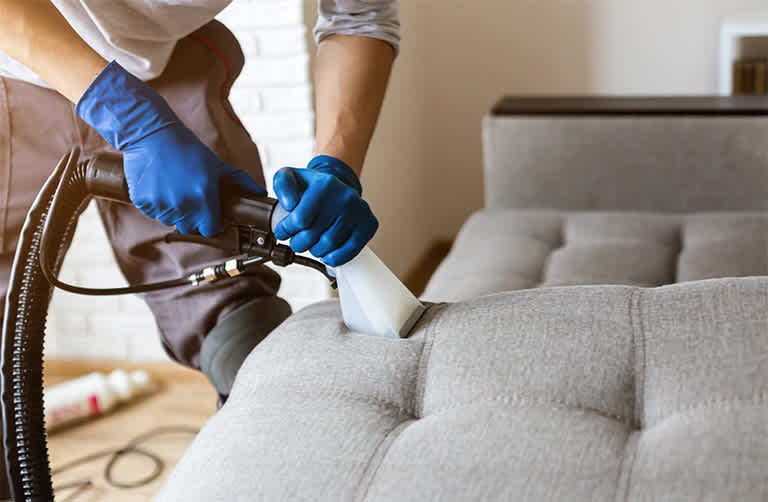
In many cases, upholstery cleaning is a worthwhile service. Couches, arm chairs, and other upholstered furniture are typically used daily, so they quickly get dirty and can harbor germs and bacteria. Cleaning services can not only make your fabric look new again, but they can also remove odors and disinfect the surfaces. Upholstery cleaning is also far more affordable than replacing a soiled piece of furniture, in most cases, so it’s the most cost-effective solution for dirty couches, chairs, ottomans, and more.
The Cando, ND homeowners’ guide to upholstery cleaning services
From average costs to expert advice, get all the answers you need to get your job done.
Wondering how much it costs to rent an upholstery cleaner? Get prices, cost factors, and money-saving tips for your next DIY upholstery cleaning project.
Mattress cleaning cost depends on the number of mattresses being cleaned and the size of each. Use this guide to better understand mattress cleaning prices.