Top-rated water softener pros.

Get matched with top water softener pros in Turtle Lake, ND

Enter your zip and get matched with up to 5 pros

Need a pro for your water softener service project in Turtle Lake, ND?

Select your specific project to find the pro for you.

Find Water softener pros in Turtle Lake

Water Softeners questions, answered by experts

The most accurate way to determine whether you have hard water is to purchase a water test kit from a hardware store or send a tap water sample to a lab. But there are some signs you can look out for without professional testing. For instance, if you're consistently dealing with mineral stains on your glassware, windows, and shower doors, you're likely to have hard water. Hard water can also make it harder to lather and rinse soap, so if you're struggling to work up a good lather in the shower, hard water might be the culprit.

It’s not a good idea to oversize your water softener. Doing so will mean the tank doesn’t get full, which can lead to channeling. This leads to a large portion of the resin beads not being utilized and the beads at the bottom of the tank being overused. Over time, this will reduce the efficiency of your system, not to mention that the upfront cost of an oversized softener is unnecessarily high. If you have a timed regeneration cycle rather than a demand-based one, you’ll also spend far more on replacing salt than you need to.

No, a water descaler won't descale pipes. The charged water running through the pipes may very slowly dissolve mineral deposits and hold them inside the water, but it's a very gradual process. If your pipes do need descaling, it's much better to get a local plumber to descale your pipes.

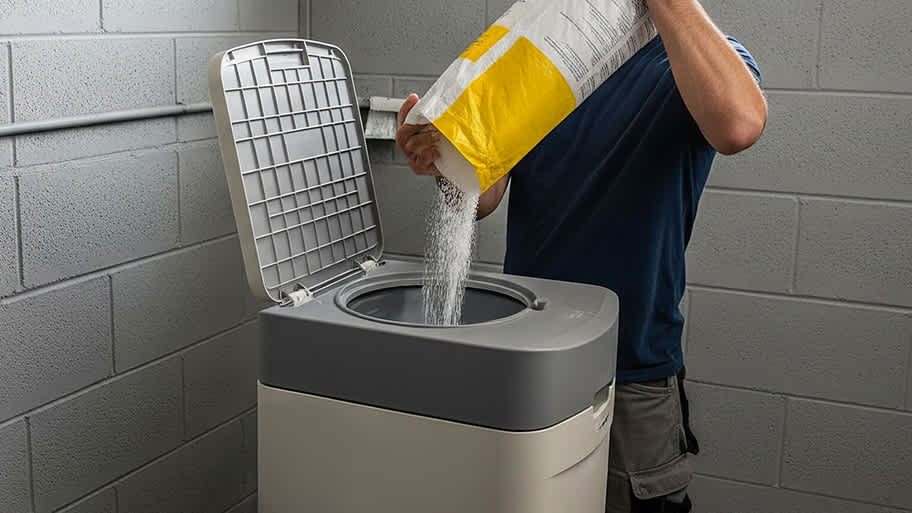
You can install a water softener system by turning off the water supply, draining the water, and then connecting your device to the waterline. Next, you’ll fill your tank with the recommended amount of salt or brine (whichever your unit calls for; be sure to read the instructions). Turn the water supply on and check for leaks. You can opt to let your water run for a few minutes, then test it using strips. 

The process of inspecting your water softener system is similar.

The main difference between a water softener and a water filter is what they remove from the water. A water softener is specifically designed to remove hard minerals, while a filter removes a wider range of contaminants above a certain size, such as bacteria and other impurities. If your primary goal is to remove minerals, a softener is the best choice. If you want to remove various contaminants for safety or taste, a filter is more suitable. Filters are also typically less expensive to install. Depending on your water supply's specific issues, you may need to install both systems for comprehensive treatment.

The Turtle Lake, ND homeowners’ guide to water softener services

From average costs to expert advice, get all the answers you need to get your job done.