FM Water Systems is your locally owned and operated authorized Kinetico Dealer with over 30 years of experience. We take great pride in our prompt response, expertise and superior customer service every time so call today!\n\nCommercial and Residential clients always welcome!
Hard water isn’t necessarily bad for you. In some ways, it’s good for you. If you’re deficient in magnesium or calcium, hard water can give you a mineral boost that you wouldn’t get with soft water. However, this is where the benefits of hard water pretty much stop. Hard water can cause many minor inconveniences and lead to costly, premature replacements of your water-using appliances.
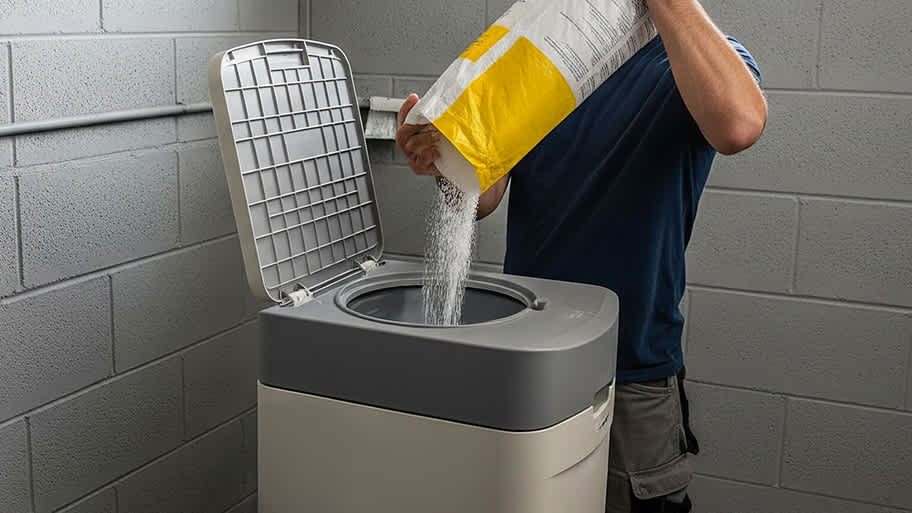
Experts recommend that you put two to four bags of potassium chloride in your water softener every month. This amount depends on how much is in the bag (40 pounds is most common) and what your water softener manufacturer recommends. For more specific advice, talk to a water softener pro in your area and read the manual that came with your system.
Hard water doesn’t hurt, but it might feel more abrasive, especially if you have sensitive skin. It’s also about how your skin feels after bathing. You might feel as though you have a sticky film over your body because you do—it’s all that soapy residue left behind because the hard water can’t rinse it off completely.
Softened water prevents scale deposits, reducing appliance wear, leading to energy savings and longer-lasting household fixtures.
To get utilities set up on a property, you first have to contact the local department of planning to determine whether your property is able to connect to public utilities. From there, you can work with a structural engineer and/or a building contractor to design the layout of utility lines on the property. The pros will need this information as they begin securing building permits before they can start adding lines.
If your property isn’t able to connect to public utilities, you’ll need to consider working with pros to develop a comfortable off-grid home that will meet your needs.
The Towner, ND homeowners’ guide to water softener services
From average costs to expert advice, get all the answers you need to get your job done.
Water softeners work to remove unwanted minerals from hard water through a filtration and recharge cycle. Keep reading to learn how a water softener works.
There are four common softener alternatives available on the market today. We compare and contrast each one to help you find your best-fit solution in this blog.
Water softeners rid your home of hard minerals and, well, soften your water. Even better, the regeneration process is an automatic cycle that works when you’re least likely to use it.