



Top-rated water softener pros.

Get matched with top water softener pros in Mohall, ND

Enter your zip and get matched with up to 5 pros

Need a pro for your water softener service project in Mohall, ND?

Select your specific project to find the pro for you.

Find Water softener pros in Mohall

FM Water Systems LLC
5.0(
2
)
Water Treatment & Purification System - Install or ReplaceWater Treatment & Purification System - Repair or Service

Serving Mohall, ND and surrounding areas

In business since 1991

Free estimates

Credit card accepted

FM Water Systems is your locally owned and operated authorized Kinetico Dealer with over 30 years of experience. We take great pride in our prompt response, expertise and superior customer service every time so call today!\n\nCommercial and Residential clients always welcome!

Response time3 days
Recommended by50%of homeowners
Water Softeners questions, answered by experts

A water softener is a worthwhile investment if you live in an area with hard water. While hard water is safe to drink, it contains minerals like calcium and magnesium that can cause significant problems over time. These minerals build up inside pipes, reducing water flow and eventually corroding the plumbing system, which can lead to leaks and a shortened lifespan. Hard water also damages fixtures and appliances, potentially resulting in costly repairs. Additionally, it makes soaps and detergents less effective, meaning you'll use more product to get things clean. By installing a water softener, you can prevent these issues. The initial investment is often recouped through long-term savings, including lower energy bills, reduced appliance and plumbing maintenance, and spending less on soap and cleaning supplies. Other benefits include cleaner linens, dishes, and clothing, as well as softer water that is gentler on your skin and hair. In some areas, a water softener can also increase your home's value, making it a valuable long-term investment.

No. You should never directly drain a water softener into a sewer cleanout. This practice is illegal in many areas because it could allow raw sewage to get into your drinking water and make you seriously ill. Many places have codes requiring a specific seal, pipe, and a large air gap between a water softener and a sewage cleanout. Check out Florida's Plumbing Building Code as an example of what these restrictions might look like.

Most of the U.S. has hard water, especially across portions of the West and Midwest. The areas with the hardest water include parts of Texas, Oklahoma, Kansas, Colorado, New Mexico, Utah, Wyoming, Illinois, North and South Dakota, Ohio, and New York. You’ll find soft water in parts of New England, the Southeast, the Pacific Northwest, and Hawaii.

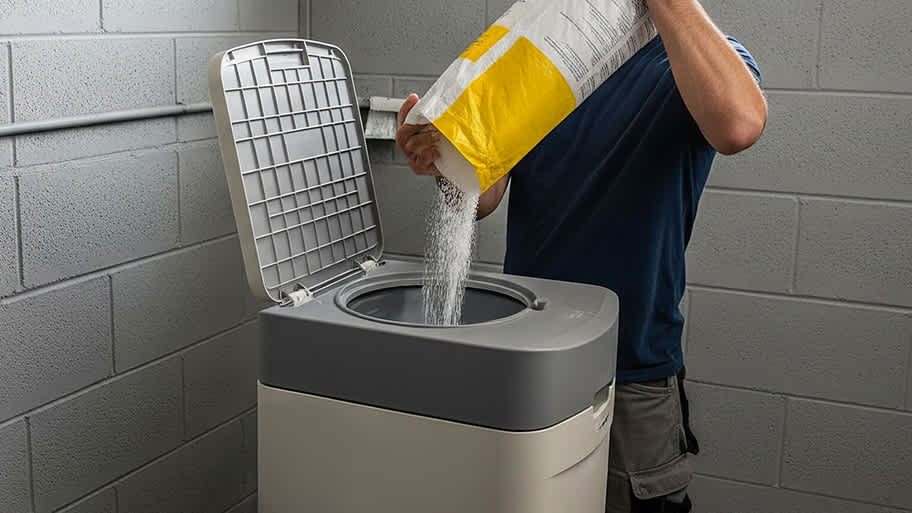
Experts recommend that you put two to four bags of potassium chloride in your water softener every month. This amount depends on how much is in the bag (40 pounds is most common) and what your water softener manufacturer recommends. For more specific advice, talk to a water softener pro in your area and read the manual that came with your system.

Yes, a water softener can remove scale deposits. According to the U.S. Department of Energy, after you add a water softener to your home, “gradually the softer water will dissolve limescale scale deposits and remove the problem entirely.” Installing a water softener—or water descaler—will also help prevent new scale deposits from forming.

The Mohall, ND homeowners’ guide to water softener services

From average costs to expert advice, get all the answers you need to get your job done.