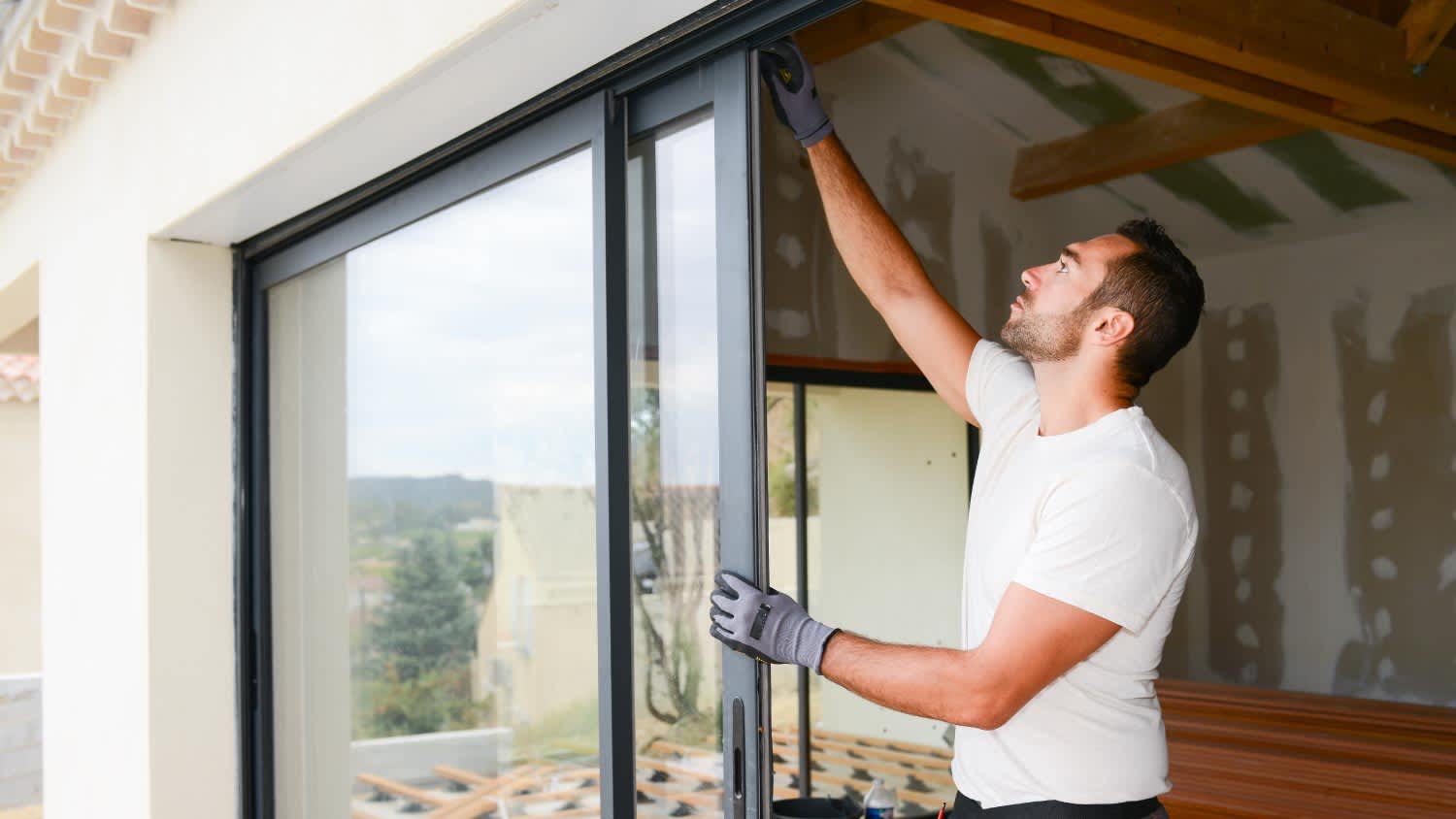
We offer over 30 years of industry experience and will provide you with an unmatched level of experience and commitment to your home improvement project. We've earned a solid reputation for a variety of residential home improvement and repair projects to include painting, cabinetry, doors, and windows. We pride ourselves on the quality of our work as well as our commitment to outstanding results. We look forward to building long-term relationships with our clients and guarantee your satisfaction! References are available upon request. Give us a call today, and let's get started.
Energy Efficiency Auditing questions, answered by experts
If you have central air conditioning, it’s fine to run your AC all day if that’s what you want—as long as the AC unit is in good condition. But if your AC runs constantly when you don’t want it to, there may be a problem with your system (like the ones we’ve mentioned above). Window AC units and wall air conditioners aren’t as powerful as central AC, so you should only run those kinds of air conditioners for eight to 12 hours at a time.
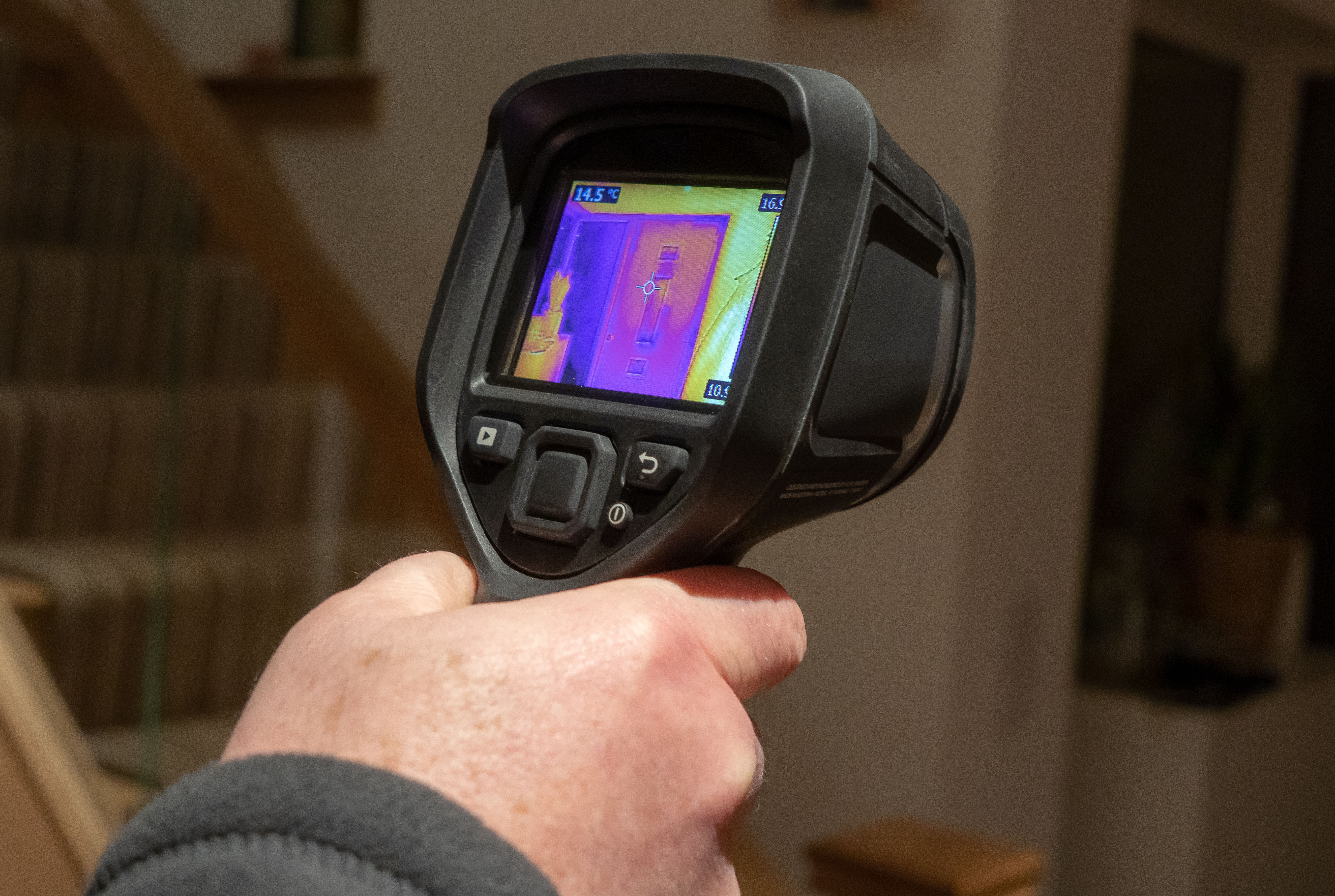
Blower door tests are measured in a few different ways, but the most popular are air changes per hour (ACH) and cubic feet of air (CFM) moving through the house per hour. A good ACH score is less than 2ACH, but 1ACH is better. This means the house experiences a total air change within 60 minutes (for 1ACH). For 2ACH, there’s a complete change every 30 minutes, and so on. CFM scores are similar in that a lower score means less air change, and therefore less leakage.
Costs depend on the property size, audit complexity, and whether additional testing (e.g., blower door) is included.
Homeowners can often access federal tax credits, such as the Investment Tax Credit (ITC), which covers a percentage of installation costs. Many states and utilities offer additional rebates, grants, or performance-based incentives. These programs can significantly lower your upfront investment. Check the Database of State Incentives for Renewables and Efficiency (DSIRE) or contact your local energy office for current offers.
Modern windows provide enhanced UV protection, improved heat retention, and cooling efficiency, contributing to overall household energy savings.
The Mott, ND homeowners’ guide to energy efficiency auditing services
From average costs to expert advice, get all the answers you need to get your job done.
Discover the average home energy audit cost, what impacts pricing, and how to save money on your audit. Get transparent, expert-backed cost info for homeowners.
Thinking about scheduling a home energy audit? Learn how to improve energy efficiency, lower your utility bills, and hire the right local pro for the job.