



Top-rated energy efficiency auditors.

Get matched with top energy efficiency auditors in Beach, ND

Enter your zip and get matched with up to 5 pros

Need a pro for your energy efficiency auditing project in Beach, ND?

Select your specific project to find the pro for you.

Find Energy efficiency auditors in Beach

Avatar for 1st Look Inspection LLC - Domov  Facebook
1st Look Inspection LLC - Domov Facebook
5.0(
1
)

Serving Beach, ND and surrounding areas

In business since 2013

Free estimates

We offer over 30 years of industry experience and will provide you with an unmatched level of experience and commitment to your home improvement project. We've earned a solid reputation for a variety of residential home improvement and repair projects to include painting, cabinetry, doors, and windows. We pride ourselves on the quality of our work as well as our commitment to outstanding results. We look forward to building long-term relationships with our clients and guarantee your satisfaction! References are available upon request. Give us a call today, and let's get started.

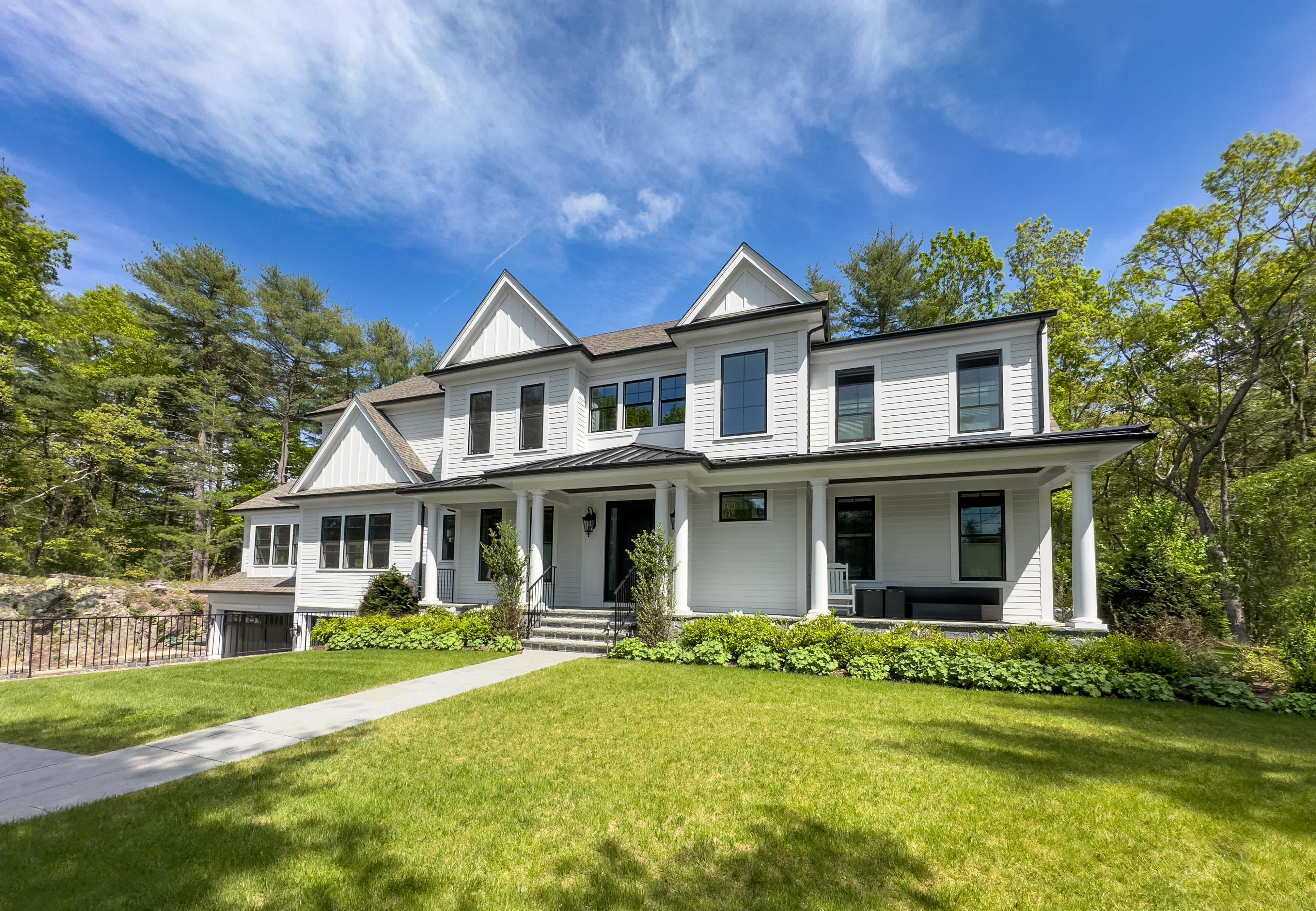
Home Exterior
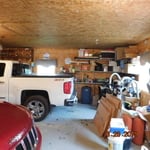
Garage
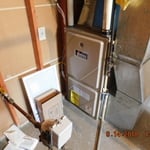
Typical furnace
Response time7 hrs
Recommended by100%of homeowners

Energy Efficiency Auditing questions, answered by experts

While many states require all new construction to undergo blower door tests, it’s not a requirement for existing homes. But in both cases, a blower test helps confirm that the contractor has sealed the exterior, that the type of ductwork installed is functioning properly, and that your home is as efficient as possible.

Smart glass doesn’t use a lot of electricity, and you can expect a standard window to add between $1 and $2 per year to your electric bills. Smart glass is proof that energy-efficient windows work. Although your smart windows may consume a little energy to operate, they can save enough energy to offset the costs. If you’re concerned about the minimal bump to your electricity consumption, you can opt for smart tint, which doesn’t require electricity to work.

Window AC units use a fair amount of electricity, but significantly less than central AC systems. Because they are more energy-efficient for cooling individual rooms or small spaces, their usage is comparatively low. On average, a window AC unit consumes between 500 and 1,400 watts, while a central AC system uses over 3,500 watts—meaning a window unit uses about one-third of the energy. This typically translates to a monthly running cost of $15 to $40, although this can vary depending on external factors.

If your AC runs constantly, it could be due to a number of things, including a faulty thermostat, incorrect temperature settings, or broken equipment. Alternatively, you might have an airflow problem (for example, blocked vents or leaky ductwork). Either way, an HVAC pro can identify the specific problem and fix it for you.

Leaving lights on raises the electric bill, but not as much as having high-wattage light bulbs. The best way to save on electric costs is to swap your light bulbs to LED or CFL bulbs that use far fewer watts. You can also use smart lights and light switches to control usage via a smartphone or voice-controlled device.

The Beach, ND homeowners’ guide to energy efficiency auditing services

From average costs to expert advice, get all the answers you need to get your job done.