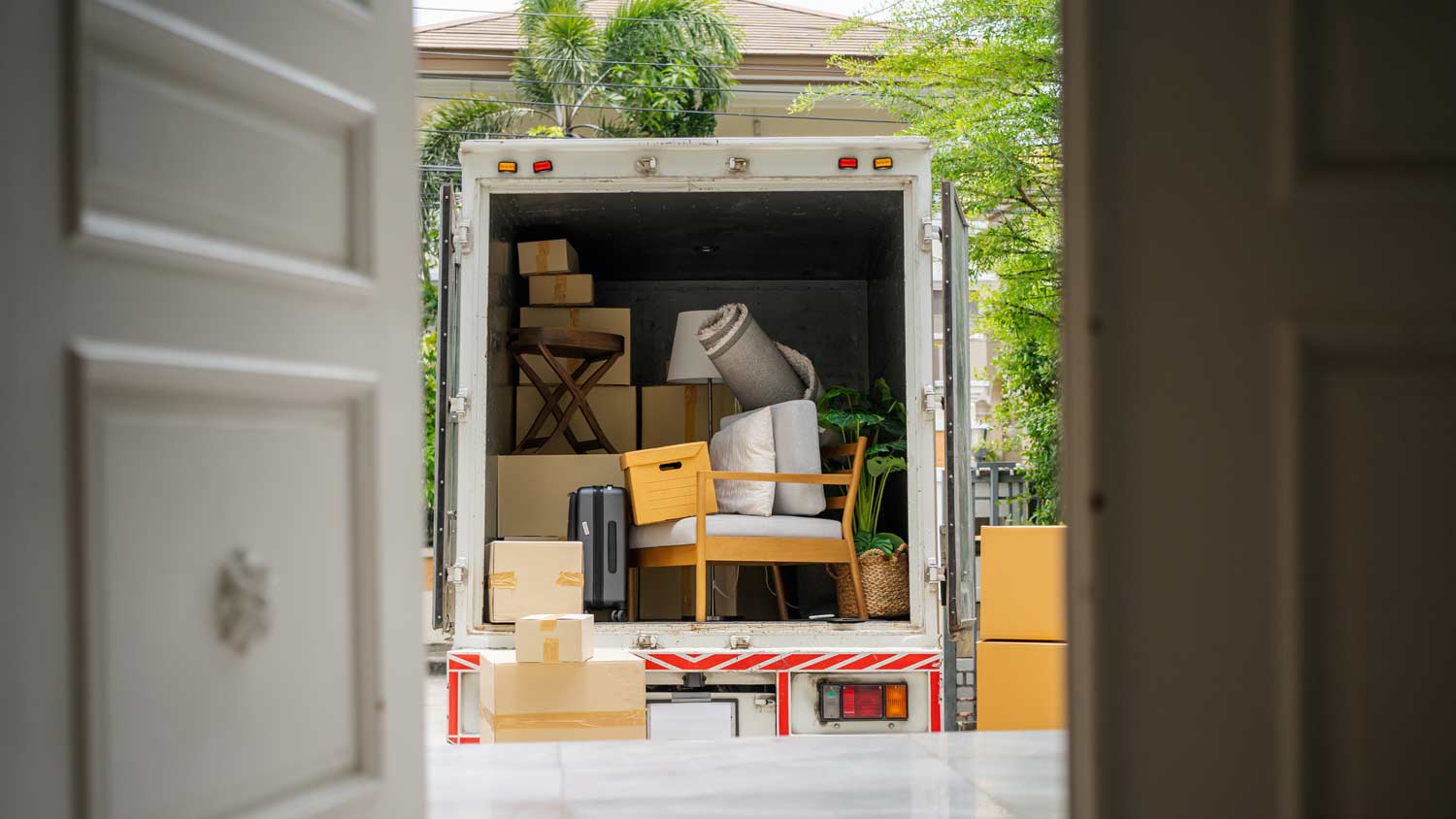
Typically, local moves involve either renting a moving truck and moving yourself or hiring local movers to do the job. For long-distance moves, options include hiring a full-service moving company that handles packing, loading, transportation, and unloading, or using a self-moving service where you load your belongings into a container or trailer and have it transported. Another option is hiring professional movers for labor-only services, where they assist with loading and unloading your rented truck. You can also opt for moving pods or moving containers that can be transported to the destination.
There are several effective ways to save money when hiring a moving company, primarily by handling some tasks yourself and being strategic with scheduling. Consider these methods:
Pack Your Own Belongings: You can significantly reduce costs by packing and protecting your items yourself. This includes wrapping delicate items, organizing them into boxes, and taping the boxes closed. You can use towels, clothes, and suitcases to pack belongings and protect breakables.
Provide Your Own Materials: Source free packing materials from friends and family, or reuse boxes and bubble wrap from a previous move.
Schedule Strategically: Book your move well in advance. Rates are often lower if you schedule your move on a weekday during the off-season, which typically runs from October through April.
Compare Quotes: Get moving quotes from at least three professional movers in your area. This allows you to compare services and choose the best value.
Ask for Discounts: Inquire if the moving company offers any special coupons or deals.
Purchase Moving Insurance: Protect your investment by purchasing moving insurance, especially for expensive or antique belongings.
Divide the Labor: While you can save money by packing, it's wise to leave the more dangerous and physically demanding work—like loading, unloading, and moving heavy furniture—to the professionals.
Traveling with your automobile over short distances when moving is typically less expensive than shipping it with a transport company. However, consumers start to break even at around 500 miles. It's typically less costly and worth shipping your car with a professional transport company if the distance you're going exceeds 500 miles.
Yes, moving a piano often causes it to become out of tune, even if you're not moving the piano very far. One reason is that any temperature and humidity changes can affect a piano's tuning. Additionally, the bumps and jolts from a moving truck usually push a piano out of tune.
However, don't jump right to tuning it once the piano gets to your new home. Instead, it's best to wait at least two weeks for the instrument to acclimate to its new environment. After a couple weeks, you'll get an idea of what the piano will really sound like in its new home, at which point you can call a piano technician to get it properly tuned.
While it's not expected, tipping junk haulers is a kind gesture when the team goes above and beyond for piano disposal. Lugging and breaking down a piano requires specialized equipment, maneuvering, and a lot of strength. When your junk haulers take particularly good care of your home during the process, consider tipping between 10% and 20% of the total bill to split among the team or $10 to $20 per hauler.
The Hebron, ND homeowners’ guide to professional moving service pianos
From average costs to expert advice, get all the answers you need to get your job done.
Planning a relocation? Learn everything you need to know about piano moving, including average costs, preparation steps, and how to hire the right local pro.
Professional piano movers help ensure the safe, smooth transportation of your instrument. Before you hire, it’s important to check qualifications, review references, and get a contract in writing. Find out the steps for hiring a piano mover here.