


Top-rated plaster repair specialists.

Best plaster repair specialists near Gwinner, ND

Enter your zip and get matched with up to 5 pros

Need a pro for your plaster repair project in Gwinner, ND?

Select your specific project to find the pro for you.

Top-Rated Plaster repair specialists in Gwinner - Updated Nov 2026

Veras Construction
New to Angi
Plaster - RepairPlaster - Repair - For Business

Serving Gwinner, ND and surrounding areas

In business since 2015

Free estimates

Credit card accepted

We here at Veras Construction take pride our work and always pay attention to the minor details. Our customers know they can rely on us no matter what the project may be. We are always going the extra mile to ensure quality on everything we do. For prompt and professional work, call us today for your painting needs.

Avatar for Joey Walz
Joey Walz
New to Angi
Plaster - Repair

Serving Gwinner, ND and surrounding areas

Emergency services offered

Warranties offered

Small jobs welcome

Im 38 and have been in the construction industry since I was 10. I've worked for Redlin Johnson for 5 years as well as Western Products for 5 year, also All New Gutter for 2 years. I wont tackle a job I cannot do and Im very honest and transparent about everything and warranty my work.

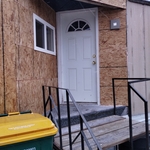
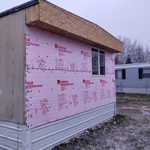
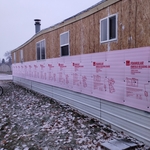
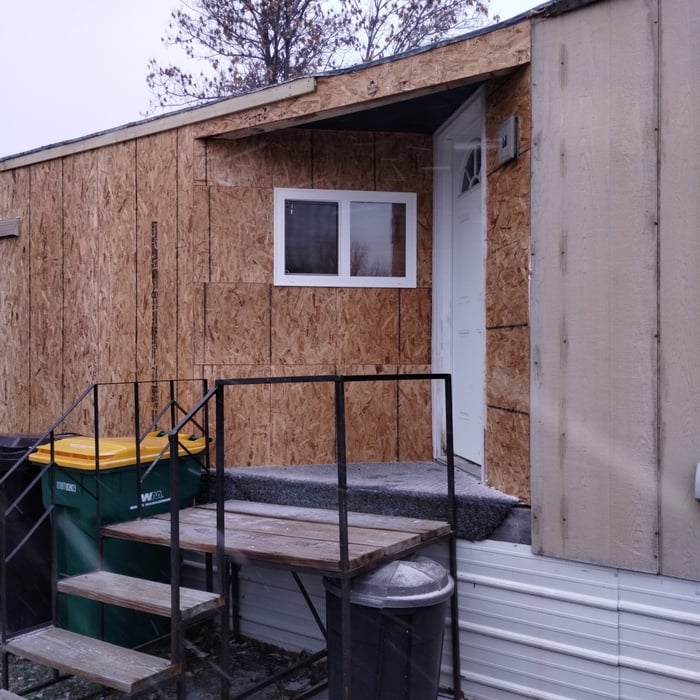
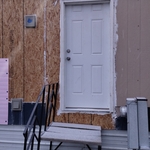
Uncles trailer remodel

+27

Plaster Repair FAQs, answered by experts

The short answer is yes, a sagging plaster ceiling is dangerous. Sagging plaster on a wall is something you should fix immediately, but it isn’t a major concern. If the same type of sagging occurs on a ceiling, however, you could be in danger of your ceiling falling in large chunks. When plaster sags, it loses its strength and ability to hold itself up. The bonds that hold it together are strong, though, so if a sagging area falls, it will take large pieces down with it.

Whether Venetian plaster increases your home's value often depends on the buyer's preference. As a purely aesthetic upgrade, it doesn't add structural value in the same way a kitchen or bathroom remodel might. However, its beautiful and attractive appearance can make a home more appealing to potential buyers, possibly leading to more interest, higher offers, and increased competition when you sell.

You’ll want to inspect your plaster walls for signs of damage before painting. If you notice soft spots, deep cracks, bubbling, or areas where the plaster is crumbling or pulling away from the wall, it likely needs repair. While small hairline cracks are common and likely cosmetic, you should address larger issues before painting to ensure a quality, smooth finish.

Although they have similar applications, spackle and joint compound are not the same. Their primary differences lie in their composition, consistency, and ideal use cases.

Spackle is composed of gypsum and binding agents, making it thicker than joint compound. It dries quickly and is easy to sand, which makes it ideal for small wall repair projects like filling nail holes or patching minor damage.

Joint compound, also known as drywall mud, consists of limestone and gypsum. It is primarily used for large-scale projects, such as taping and finishing the seams on newly installed drywall. It tends to shrink more than spackle and can be more difficult to spread.

While both products can be used to fill small depressions and cracks, spackle cannot replace joint compound for taping and mudding new drywall. Conversely, you can often use joint compound for small patching jobs typically done with spackle.

You can skim coat plaster, but it’s better to repair the plaster itself. A skim coat is a thin coat of drywall joint compound spread over the surface of a wall. The result is a flat finish that looks pleasing, but part of the appeal of plaster is its imperfections and aesthetic. Skim coating is best when limited to drywall applications.

The Gwinner, ND homeowners’ guide to plaster repairs

From average costs to expert advice, get all the answers you need to get your job done.