Top-rated plaster repair specialists.

Get matched with top plaster repair specialists in Oakes, ND

Enter your zip and get matched with up to 5 pros

Need a pro for your plaster repair project in Oakes, ND?

Select your specific project to find the pro for you.

Find Plaster repair specialists in Oakes

Veras Construction
New to Angi
Plaster - RepairPlaster - Repair - For Business

Serving Oakes, ND and surrounding areas

In business since 2015

Free estimates

Credit card accepted

We here at Veras Construction take pride our work and always pay attention to the minor details. Our customers know they can rely on us no matter what the project may be. We are always going the extra mile to ensure quality on everything we do. For prompt and professional work, call us today for your painting needs.

Avatar for Joey Walz
Joey Walz
New to Angi
Plaster - Repair

Serving Oakes, ND and surrounding areas

Emergency services offered

Warranties offered

Small jobs welcome

Im 38 and have been in the construction industry since I was 10. I've worked for Redlin Johnson for 5 years as well as Western Products for 5 year, also All New Gutter for 2 years. I wont tackle a job I cannot do and Im very honest and transparent about everything and warranty my work.

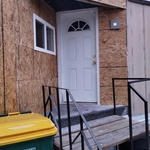
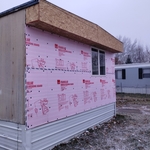
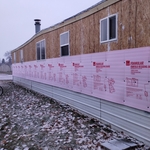
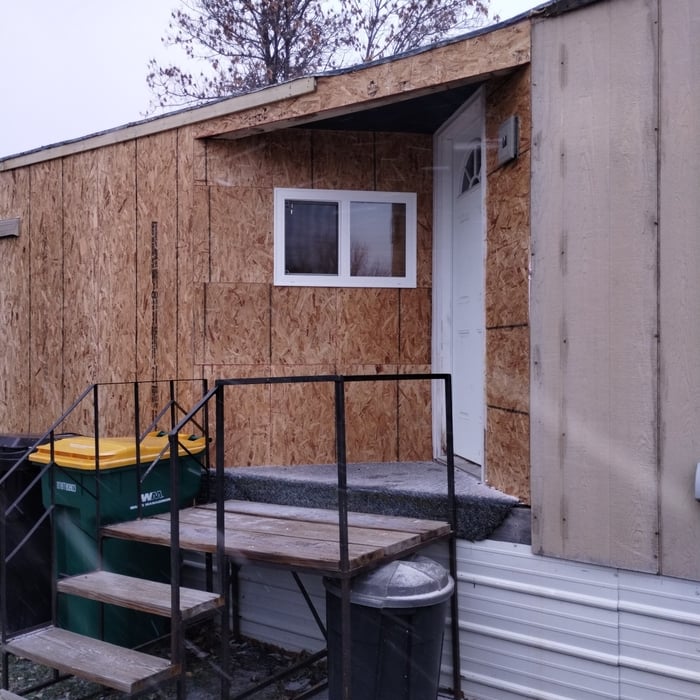
Uncles trailer remodel

+27

Plaster Repair questions, answered by experts

Both plaster and drywall are durable wall finishes, but they differ significantly in installation, cost, performance, and aesthetics.

Installation & Cost: Drywall installation is faster and more affordable, typically costing $1.50 to $3 per square foot. It uses premade sheets, making it a more accessible DIY project. Plastering is a labor-intensive craft that requires specialized skills, pushing costs to $2 to $10 per square foot. It involves applying a wet paste over a lath framework.

Durability & Performance: Plaster is generally more durable, longer-lasting, and provides superior soundproofing. It is also a better insulator, which can help reduce energy costs. Drywall is easier to remove for future renovations.

Aesthetics: Drywall provides a smooth, uniform surface ready for paint or texture. Plaster offers a high-end, naturally textured look that can hide imperfections and is often preferred for achieving a classic or historic aesthetic.

Which is better? The choice depends on your priorities. Drywall is ideal for those prioritizing a lower upfront cost, faster installation, and DIY potential. Plaster is the better option for a higher-end project where durability, soundproofing, and a unique, premium finish are more important than the initial cost.

While it is possible to repair minor plaster cracks or holes yourself, it is generally not recommended for larger jobs or if you want a professional result. Plaster repair can be difficult in practice; proper wall preparation and achieving a smooth, seamless finish that blends with the existing wall requires experience, especially on textured surfaces. Hiring a professional ensures the repair will be durable and last longer, potentially saving you money over time. A pro can also determine if the cracks are from normal expansion or a more serious underlying issue.

Generally, your homeowner’s insurance might only cover ceiling collapses caused by problems under the coverage, such as a busted pipe. But if the ceiling collapse resulted from owner negligence, maintenance issues, or other reasons excluded by your policy, you could be on your own. Some policies might cover damages caused by the collapse but not the repair itself. Check with your policy carrier for the most accurate information regarding ceiling collapse coverage.

Smaller is better when patching holes with spackle. Any holes wider than four to six inches in diameter tend to be too wide to repair with spackle alone. You'll likely want to patch bigger holes with a drywall panel. 

Even holes measuring up to 6 inches may be challenging to fill with spackle alone. For best results, purchase a wall repair patch made from wire mesh. Cut the patch to fit over the hole, then use the spackle to hold it in place. Apply the spackle over the patch as you would for a smaller hole.

Yes, you can apply new plaster over an existing plaster surface, such as a wall or ceiling, provided the old plaster is in good condition. Before you begin, check the stability of the existing plaster. The surface must be clean, free of loose material, and have no peeling paint. It is also recommended to roughen the surface slightly to promote adhesion. For older plaster, applying a base coat like a PVA emulsion or a specific bonding agent or primer is crucial. This step makes the existing plaster less porous and ensures the new and old layers adhere properly for a smooth, long-lasting finish.

The Oakes, ND homeowners’ guide to plaster repairs

From average costs to expert advice, get all the answers you need to get your job done.