"The furnace took 4 days to get approved( not counting a Sunday) the others were quick but the water heater had to be ordered so without hot water for a week. One ceiling fan was easy but within a year their policy changed and They would not install the one I purchased and had to get a new one approved and then ordered online and took several weeks to get straightened out. Not sure who was at fault, AHS, installer or scheduling with renter. Fee is usually $75 per visit"
With years of experience serving the Dickinson area, we are your solution for all your electrical needs. We take great pride in our extreme professionalism, timeliness and superior customer service on every job. We make sure to develop a lasting relationship so that the next time service is needed there will be no question on who to call. Check out our 5 star reviews from happy customers! Call us today so we can discuss your needs and make a plan that fits your budget. Satisfaction guaranteed!
Identifying the source of noises is your first step to soundproofing a room without overspending. Generally, sound comes from inside or outside of the house. Inside noises include creaking floors, living noises like TVs in the living room, cooking sounds, or kids being kids. External noises generally include incremental weather, disturbing neighbors, and street traffic. Inside noises require you to soundproof floors, ceilings, and doors, whereas outside noises may require you to soundproof your attic, windows, and walls facing the streets.
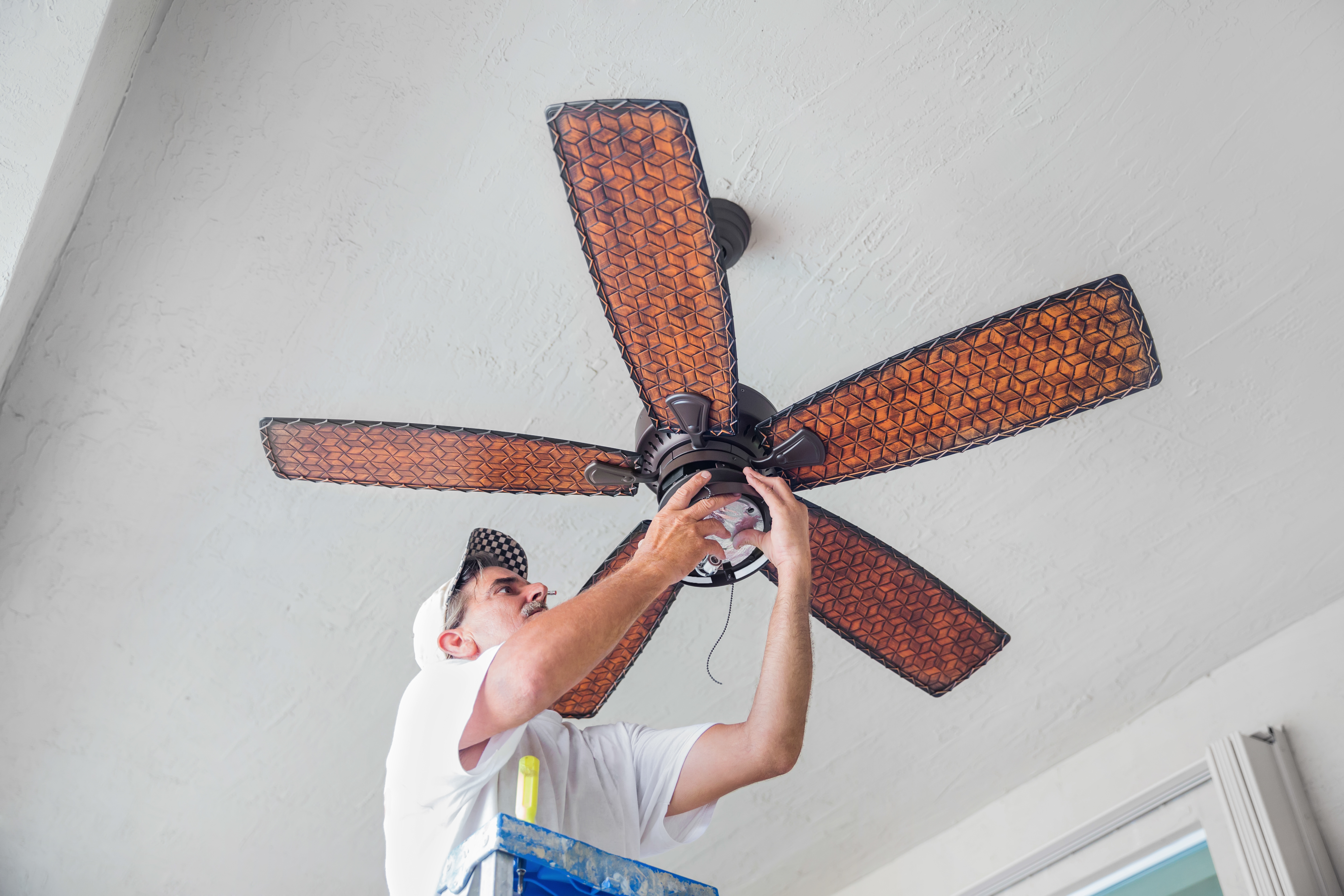
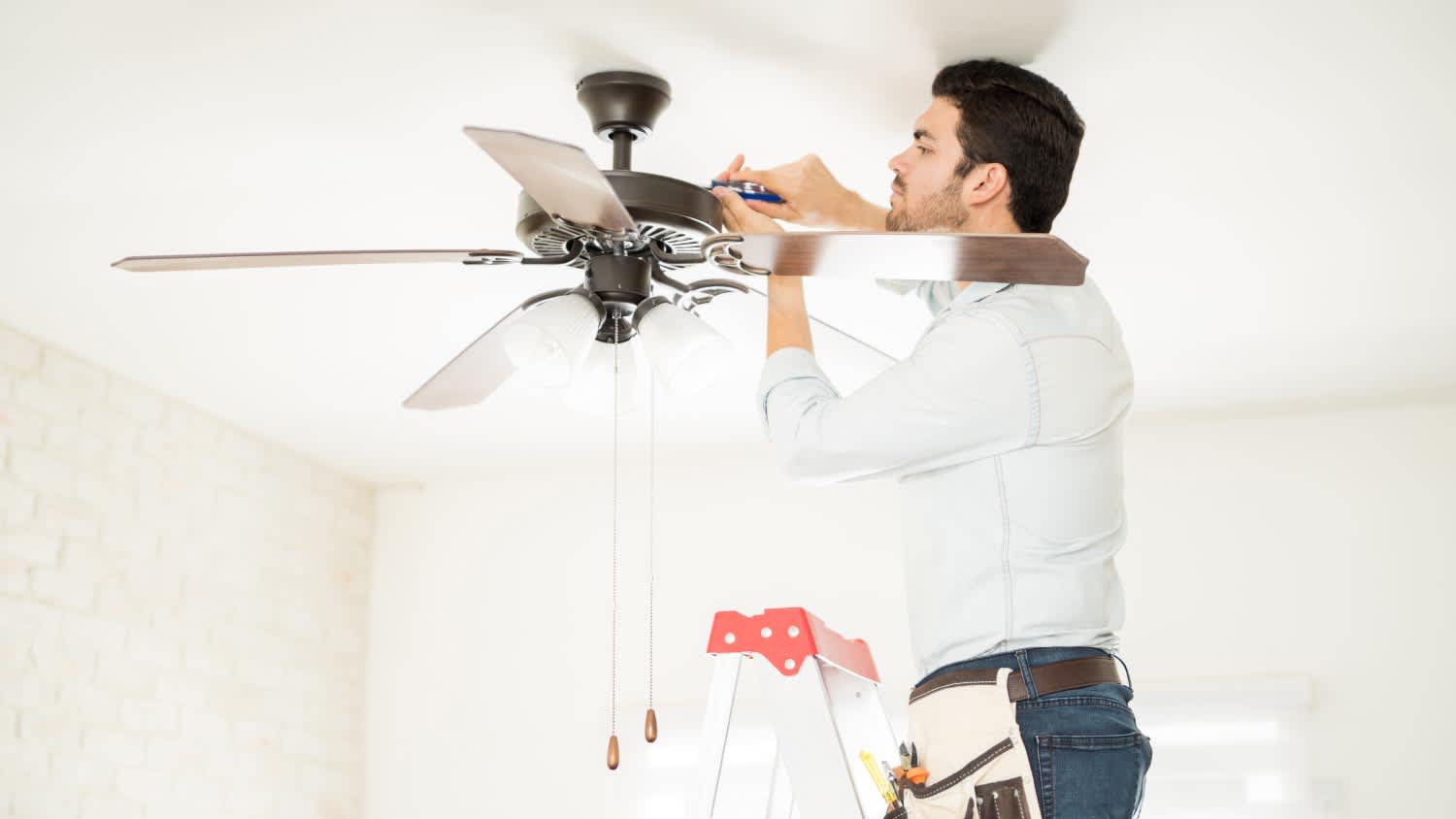
If your home already has wires for a ceiling fan (and optional light kit), then it’s quite safe to wire and install it yourself. Always be very careful to shut off the power before you begin, and confirm that the power is safely off with a non-contact voltage tester before touching anything. It’s also highly recommended to use eye protection, rubberized gloves, and tools with rubber handles to keep yourself safe from electric shock.
To convert a ceiling fan to wireless, you’ll need to install a canopy module to access the lighting and fan controls. Many options are available, all of which help you control specific elements of your ceiling fan, so you have plenty of choices depending on your needs.
The square footage of your room will dictate the correct ceiling fan blade size. For example:
Rooms smaller than 75 square feet require a fan that is 29 to 36 inches.
Rooms up to 175 square feet require 42- to 48-inch fans.
Rooms up to 350 square feet require 52- to 56-inch fans.
Expansive spaces over 350 square feet need a fan larger than 60 inches.
If you’re removing a ceiling fan without visible screws, start by locating the fan canopy—a round cover placed above the fan blades and motor. There should be a thin ring that can be turned counterclockwise to remove the canopy and reveal the screws. After unscrewing the fan, you can disconnect the wires and remove the entire fan from the mounting hardware. For safety, make sure the fan switch is turned off before you remove the canopy. It may be easier to remove the fan blades first, too.
The Gwinner, ND homeowners’ guide to ceiling fan services
From average costs to expert advice, get all the answers you need to get your job done.
Discover the cost to install a ceiling fan, including labor, materials, and tips to save. Learn what impacts your price and how to budget for your project.
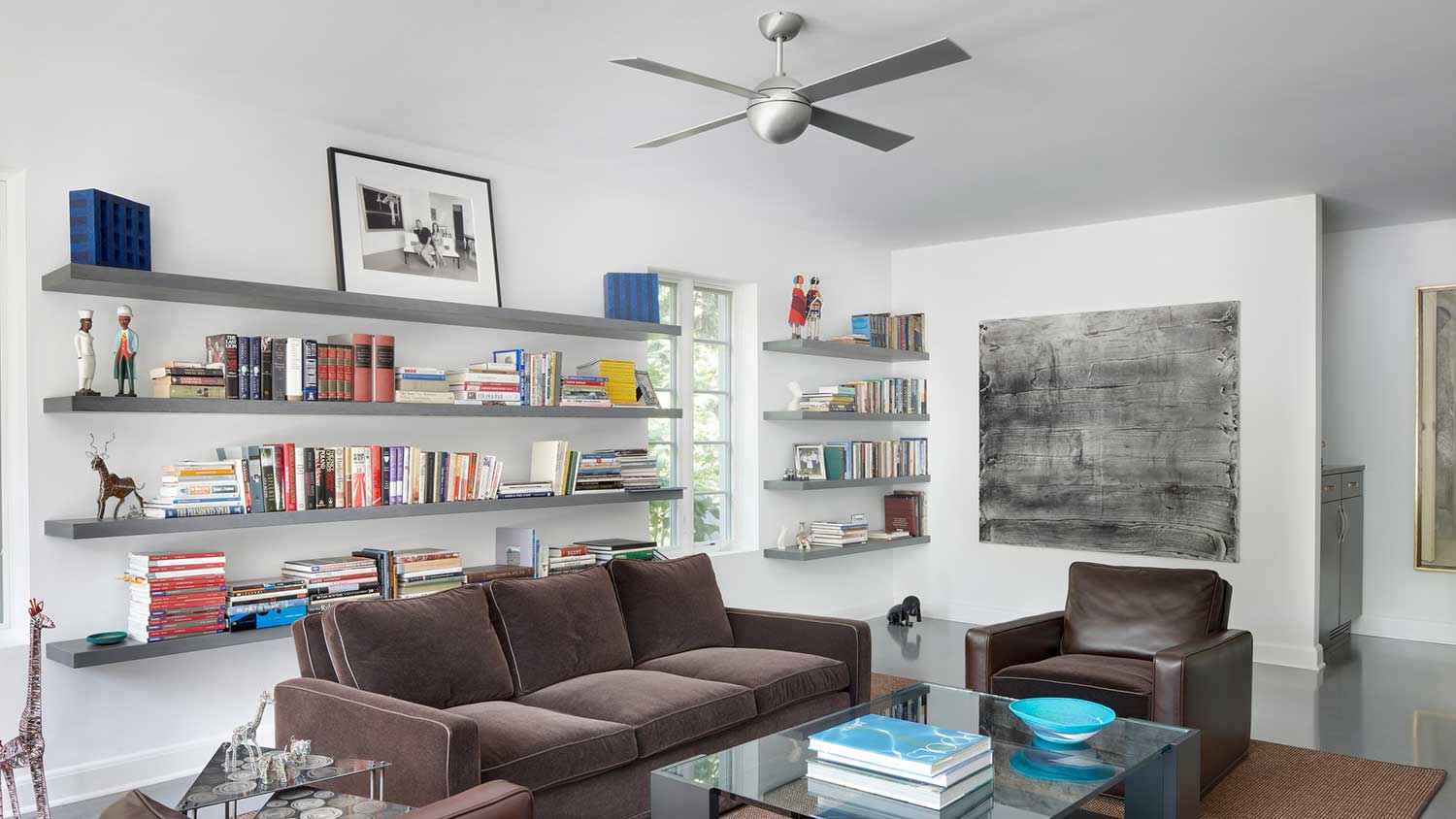
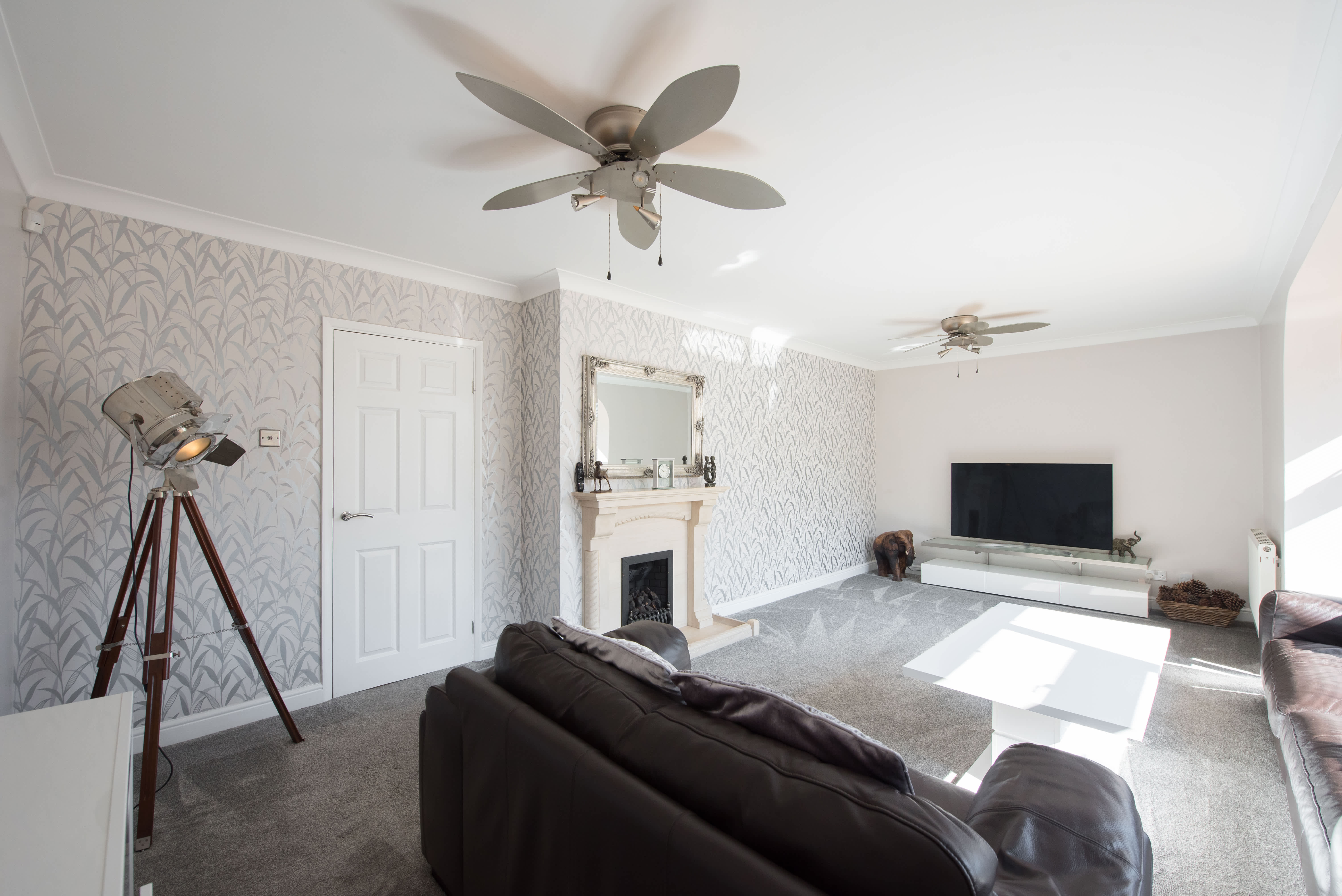
Ceiling fans cool down your home while stylishly accenting your space. With a variety of types of ceiling fan on the market to choose from, you can’t go wrong.
Although the risk is low, there are a few telltale signs that a ceiling fan will fall off your ceiling. This guide explains when to worry (and when not to).