"We have Frontpoint at two houses. We had been looking for ways to cut our monthly expenses (Frontpoint is approx. $100 per month total), so I called them to find out what I could do. They informed me that I was under contract for another year, and that I cannot get out of the contract without an early termination fee that is equal to the cost of the service. I'm a little disappointed, because the upfront cost of the system was very expensive ($1,000+) for each house, so it seems odd that I would get sucked into this contract. Nevertheless, I forgot that I signed up for this with them. My calendar is marked for the day that my service ends, and I will be switching to a company that charges about half of what they do. They have OK customer service and are very responsive, but the wireless system had some issues with reception in my house due to a fireplace, and then they didn't want to work with me to get that resolved. They're OK, but I can't really recommend them."
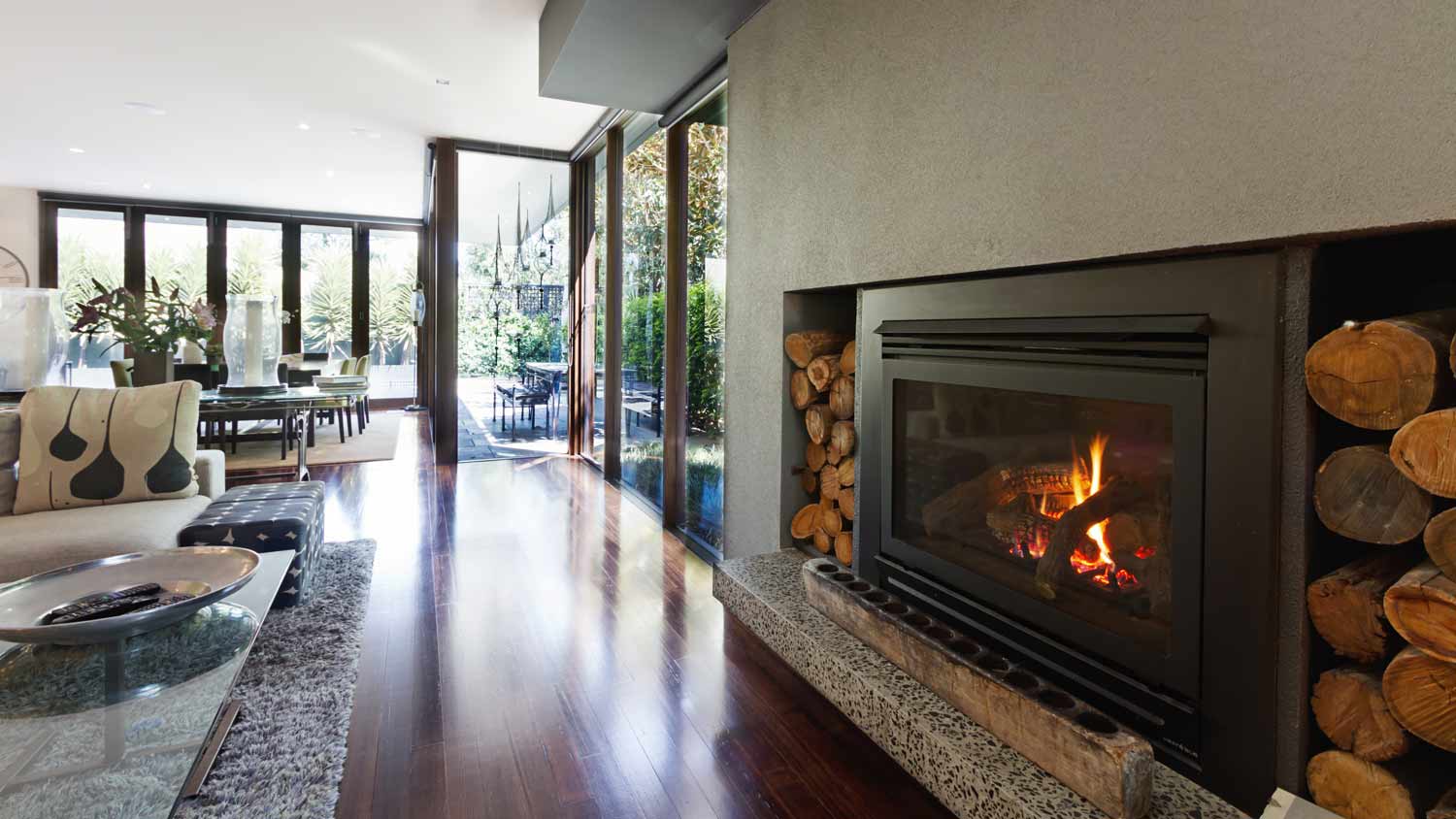
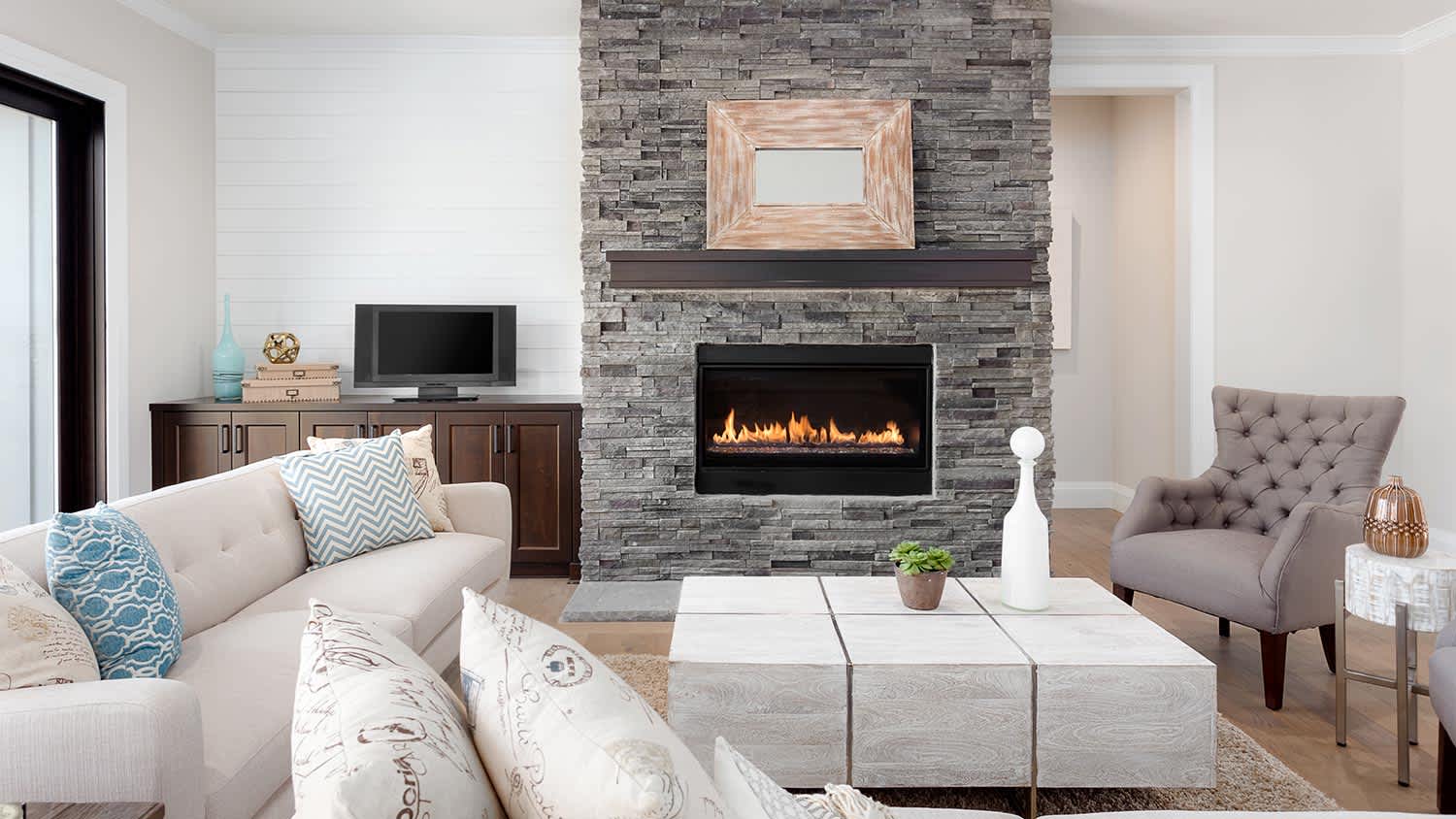
Although no heating appliance can be entirely risk-free, a fireplace insert is considered a safer alternative to a traditional open fireplace, thanks to their enclosed design. With a sealed combustion chamber, a fireplace insert effectively reduces the risk of sparks and embers escaping into the room, minimizing the chance of an accidental fire.
Additionally, an insert comes equipped with various safety features, such as tempered glass doors that create a barrier between the flames and the surrounding space. This enhances both safety and energy efficiency by preventing heat loss. As an added bonus, many inserts are designed to meet strict safety standards that ensure proper ventilation and combustion.
Pellet stoves do require electricity to power their automated features, such as the pellet feeder, fans, and digital controls. However, their electricity consumption is relatively low compared to other household appliances. During a power outage, pellet stoves equipped with battery backup systems or manual ignition options can still operate, though fans and automatic feed mechanisms may not function. Have a backup heating plan in place for these situations, especially if you live in a region prone to severe weather events.
Yes, you need to leave your chimney damper open when burning a creosote log so that smoke and other debris doesn’t waft into your house as it’s burning. You’ll need to make sure your damper is fully open, even when the log continues to smoke, until it’s completely out and cold.
You don’t need electricity for a wood-burning stove unless it has a blower fan. Some wood-burning stoves include blower fans to help with heat distribution, but blower fans have a motor and use electricity to power the fan. You can still operate a wood stove without using the blower fan, so it’s a good source of heat if you have a power outage or are looking to lower your electric bill during winter.
Pellet stoves are designed to operate quietly, often emitting only a soft hum from the combustion fan and auger. Compared to traditional wood-burning stoves or furnaces, modern pellet stoves are relatively quiet during operation. This minimal noise ensures they can efficiently heat living spaces without causing disruption, making them a preferred choice for those seeking both comfort and peace of mind.
The Cavalier, ND homeowners’ guide to fireplace services
From average costs to expert advice, get all the answers you need to get your job done.
With a gas fireplace, it’s important to stay up-to-date on your inspections. Learn more about how much gas fireplace inspections cost before you book one.
Find out if you really need a chimney to install a fireplace in your home. This guide helps you understand your options, such as a ventless fireplace, when choosing the right fireplace for your home if you don't have a chimney.