


A properly constructed and maintained chimney crown can last 50 to 75 years. However, its lifespan can be significantly shorter—20 years or less—if it was poorly constructed, improperly installed, or damaged. Factors like using the wrong materials or failing to prepare the brick around the flue can lead to moisture buildup and premature breakdown, potentially resulting in a more costly rebuild.
In addition to flashing, a roof cricket can help divert water around your chimney so that it drains properly off your roof. It’s shaped like a double triangle and is installed behind the chimney so that falling water spills evenly down each side. This helps prevent water from accumulating behind your chimney, which can increase water damage and the risk of leaks.
The International Building Code (IBC) requires cricket installation if a chimney built after 2012 measures over 30 inches in width. Chimneys constructed before that date are typically grandfathered in and aren’t required to have crickets installed.
Yes, capped chimneys should still be vented. Failing to vent a chimney will result in condensation buildup inside the chimney, which commonly results in mold growth. If mold begins to grow in a chimney, it frequently goes undetected and spreads quickly through the home. Mold and moisture can damage the structural integrity of your home, and exposure to mold can cause discomfort and illness in residents.
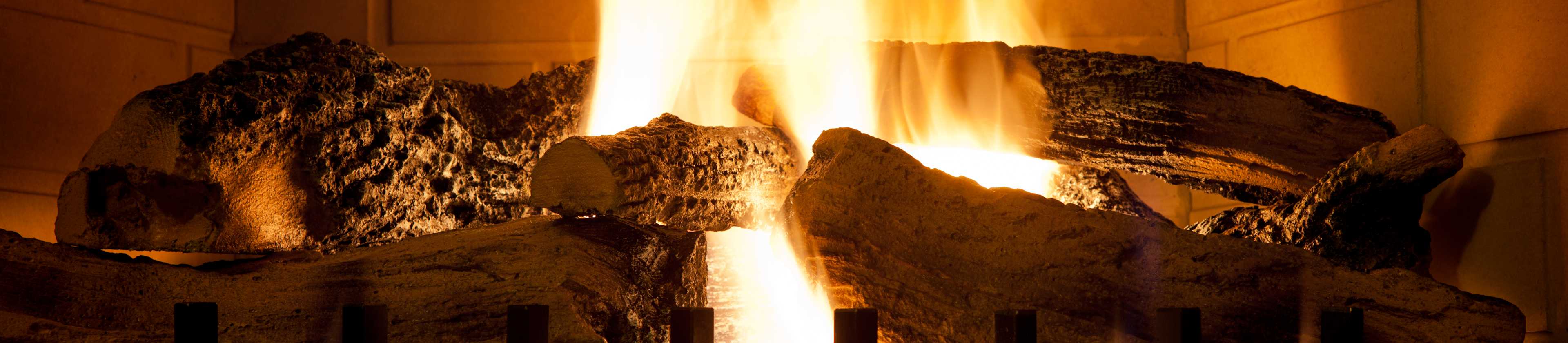
Running a gas fireplace costs approximately $0.35 per hour for natural gas and $0.62 per hour for propane, though these figures can vary significantly based on fuel prices in your area. On average, the annual cost to run a gas fireplace is between $400 and $640. The exact impact on your utility bill depends on several factors, including how often you use it, the size of the room you're heating, and the fireplace's BTU rating. Some models with a constantly running pilot light will consume a minimal amount of energy even when off, although many modern fireplaces do not require one. If you are looking for a more energy-efficient option, consider an electric fireplace.
Your fireplace flue is open when the chimney is unsealed and open to the outside air and sky. That’s why one of the best ways to figure out if your flue is open is to visually check for daylight inside of your chimney—or to feel for a draft, which may be generated by the difference in temperatures inside and outside of your home.
The Argyle, MN homeowners’ guide to fireplace services
From average costs to expert advice, get all the answers you need to get your job done.
Many homeowners upgrade their old fireplace with inserts to get more heat and save energy and money. Learn more about the cost of installing a fireplace insert.
Find out if you really need a chimney to install a fireplace in your home. This guide helps you understand your options, such as a ventless fireplace, when choosing the right fireplace for your home if you don't have a chimney.
Does a fireplace add value to a home? Find out if fireplaces will make your home more desirable on the market, and if they’re a good investment for homeowners.