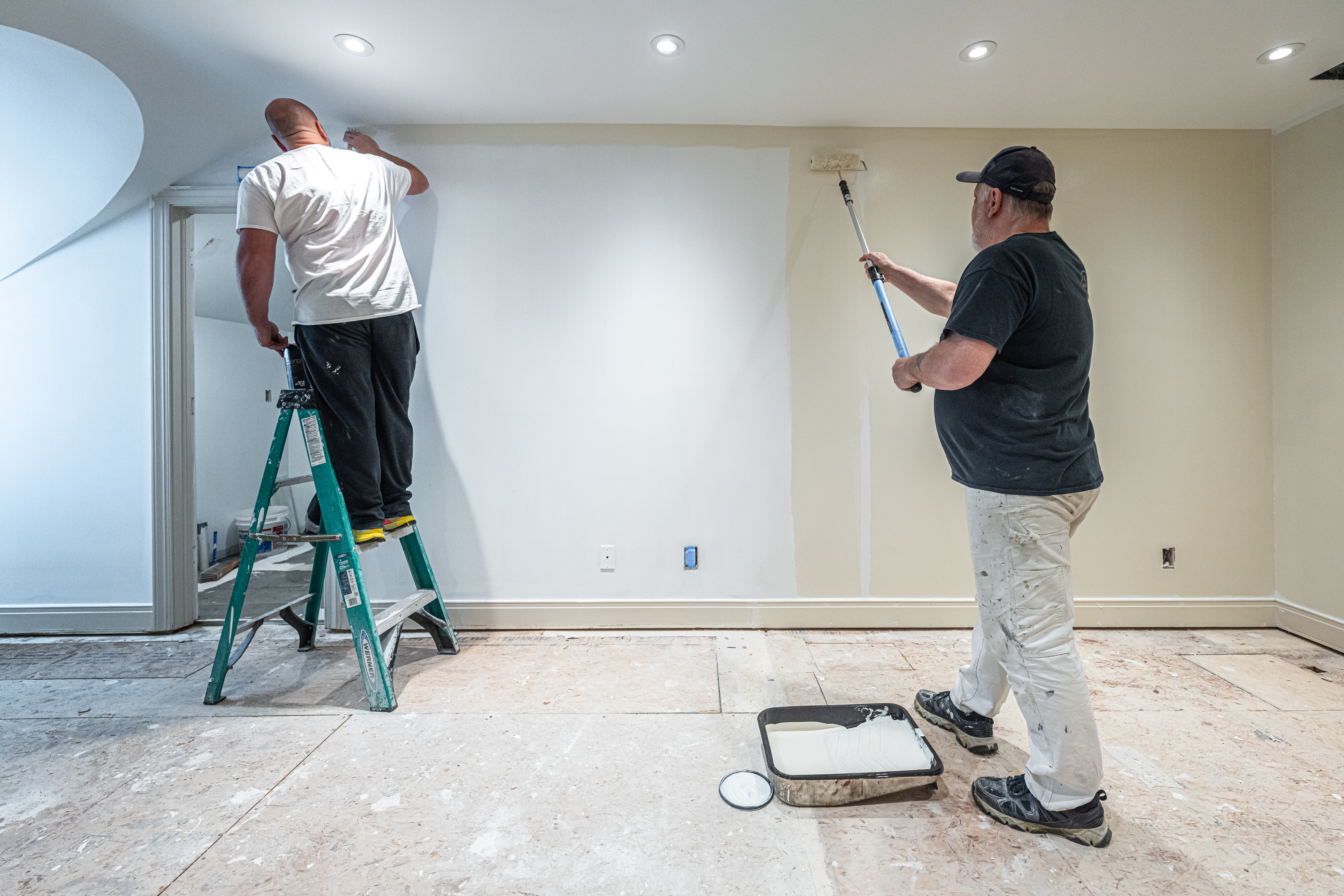

Top-rated painters.

Get matched with top painters in Cavalier, ND

Enter your zip and get matched with up to 5 pros

Need a pro for your painting project in Cavalier, ND?

Select your specific project to find the pro for you.

Find Painters in Cavalier

Express Painting, LLC
New to Angi

Serving Cavalier, ND and surrounding areas

In business since 2014

Free estimates

Here at Express Painting, LLC, we specialize in all painting needs for all residential properties and homeowners. We are known to provide the best in quality of work at great prices. Our integrity, professionalism, and attention to detail set us apart from the rest. Give us a call today, we are happy to provide a free estimate and look forward to speaking with you!\n\n \n

Response time1 day

KW Contracting, LLC
4.5(
2
)

Serving Cavalier, ND and surrounding areas

In business since 2018

Free estimates

Offers commercial services

KW Contracting LLC is committed to excellence in every aspect of our business. We uphold a standard of integrity bound by fairness, honesty, and personal responsibility. Our distinction is the quality of service we bring to our customers. Accurate knowledge of our trade combined with ability is what makes us true professionals. Above all, we are watchful of our customers' interests and make their concerns the basis of our business.

Response time5 hrs
Recommended by100%of homeowners
Showing 1-10 of 13
Painting questions, answered by experts

Applying a sealer or topcoat after staining wood is highly recommended, though not always strictly required. A sealer protects the wood from moisture, UV rays, and weather-related issues, which is especially important for outdoor surfaces like decks and fences. It also enhances the stain's durability, prevents fading over time, and gives the wood a cleaner, more professional-looking finish. For some indoor applications, a sealer may not be necessary, depending on the type of stain used and the level of protection needed. It's always best to check the stain manufacturer's recommendations and consider the wood's intended use and exposure when deciding whether to apply a sealer.

For homes in areas with extreme weather, high heat, or intense sun exposure, high-quality acrylic paint is the best option. Acrylic paint is durable, resistant to both heat and cold, and provides a protective barrier with excellent UV resistance. For best results, look for acrylics that contain natural earth pigments, which are better suited for resisting sun damage. While oil-based paint is also durable, it can be prone to fading in high heat and can become too viscous to apply easily in cold temperatures. Additionally, choosing a neutral or light color like gray, beige, or white can help, as these colors absorb less heat than darker shades.

Yes, staining or sealing a cedar deck or fence is highly recommended to extend its lifespan, typically by five to 10 years. While cedar is naturally resistant to mold and mildew, it can still fall victim to moisture, sun exposure, and rot over time. Applying a treatment creates a protective shield that helps prevent splintering, fading, and decay, preserving the wood's strength and appearance. A combination stain and sealer often provides the best protection, as it soaks into the wood grain rather than just sitting on top. This offers superior defense against UV damage and rot and lasts longer than a sealer alone. To maintain the wood's natural look, consider using a near-translucent stain. You should plan to reapply the stain or sealer every two to three years.

Yes, you can limewash surfaces other than brick. Plaster, stone, stucco, and concrete can all also be limewashed. Any porous surface that will absorb the wash is a good candidate for limewash, although it won’t help much with waterproofing. If you choose to limewash over paint, you’ll need to prep before applying it to avoid a powdery, chalky finish. Shiny surfaces like metal or glass can’t absorb limewash, so it’s not suited for these.

The best time to stain a fence is when the weather is dry and temperatures are between 50 and 90 degrees Fahrenheit. Late spring, early summer, and fall are typically the best seasons for this project. You should avoid staining during very hot weather, like in the middle of summer, or when it is raining. Heat and moisture can cause the stain to dry unevenly. Likewise, if it's too cold, such as in winter or early spring, the stain may not be able to dry fully. Before you start, check the forecast to ensure there will be no rain and low humidity for at least a few days.

The Cavalier, ND homeowners’ guide to painting services

From average costs to expert advice, get all the answers you need to get your job done.