Quickdrywall
Interior Painting or Staining: 1 - 2 RoomsPainting or Staining - Small Projects
Serving Bowman, ND and surrounding areas
Approved
Free estimates
Emergency services offered
Warranties offered
We have four years of experience in drywall

Serving Bowman, ND and surrounding areas
Approved
Free estimates
Emergency services offered
Warranties offered
We have four years of experience in drywall
Serving Bowman, ND and surrounding areas
In business since 2014
Free estimates
Here at Express Painting, LLC, we specialize in all painting needs for all residential properties and homeowners. We are known to provide the best in quality of work at great prices. Our integrity, professionalism, and attention to detail set us apart from the rest. Give us a call today, we are happy to provide a free estimate and look forward to speaking with you! \n \n \n
Serving Bowman, ND and surrounding areas
Credit card accepted
"She was responsible. She was always on time. The quality was good."

+3

Serving Bowman, ND and surrounding areas
In business since 2020
Free estimates
Credit card accepted
"Amazing, Tanya was great to work with."




+1

Serving Bowman, ND and surrounding areas
In business since 1971
Credit card accepted
"He was very nice to talk with and repaired our washing machine. He even helped sweep the water out."





+2

Serving Bowman, ND and surrounding areas
In business since 1989
Free estimates
Emergency services offered
"They did a very good job. They were quick and I am very happy with the work that they did for me."

Serving Bowman, ND and surrounding areas
In business since 2015
Free estimates
Credit card accepted
We here at Veras Construction take pride our work and always pay attention to the minor details. Our customers know they can rely on us no matter what the project may be. We are always going the extra mile to ensure quality on everything we do. For prompt and professional work, call us today for your painting needs.

Serving Bowman, ND and surrounding areas
In business since 2012
Free estimates
Small jobs welcome
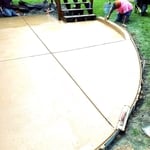
Thank you for choosing ENG Curbing and Concrete. We are based in Dickinson, ND. ENG Curbing is the perfect landscape contractor for your needs. Contact our company today for any curb appeal work, or concrete work.
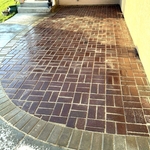
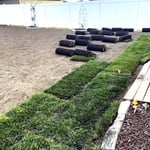
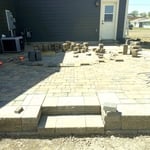
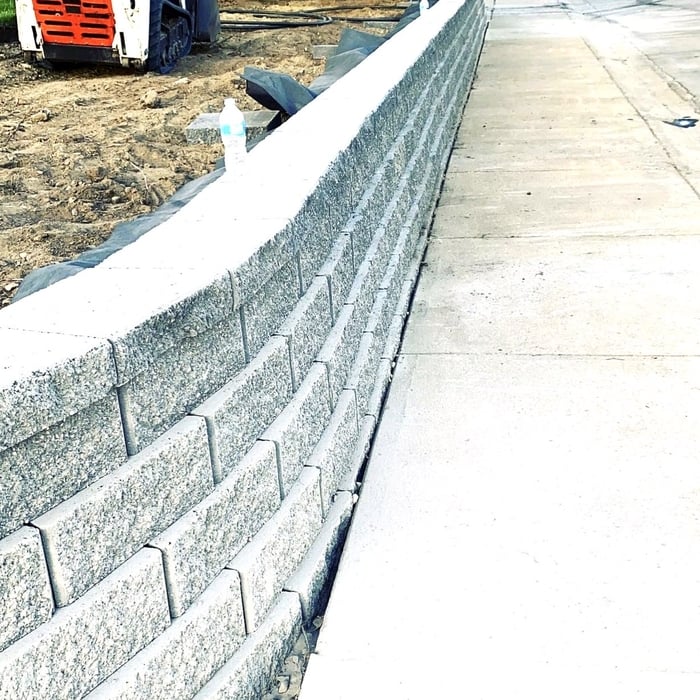
+20
Serving Bowman, ND and surrounding areas
In business since 2000
Free estimates
Emergency services offered
"Brent will always show up on time. He performs the work that he says he will perform. You will not be upset when you hire Tri Shasta Construction!"
Serving Bowman, ND and surrounding areas
In business since 2025
Free estimates
Credit card accepted
We pride our company on reliability, great communication, integrity, and quality work. We are experts in our trade and will do our best to keep you as educated as we can on your particular task or project. We look forward to earning your business!
From average costs to expert advice, get all the answers you need to get your job done.
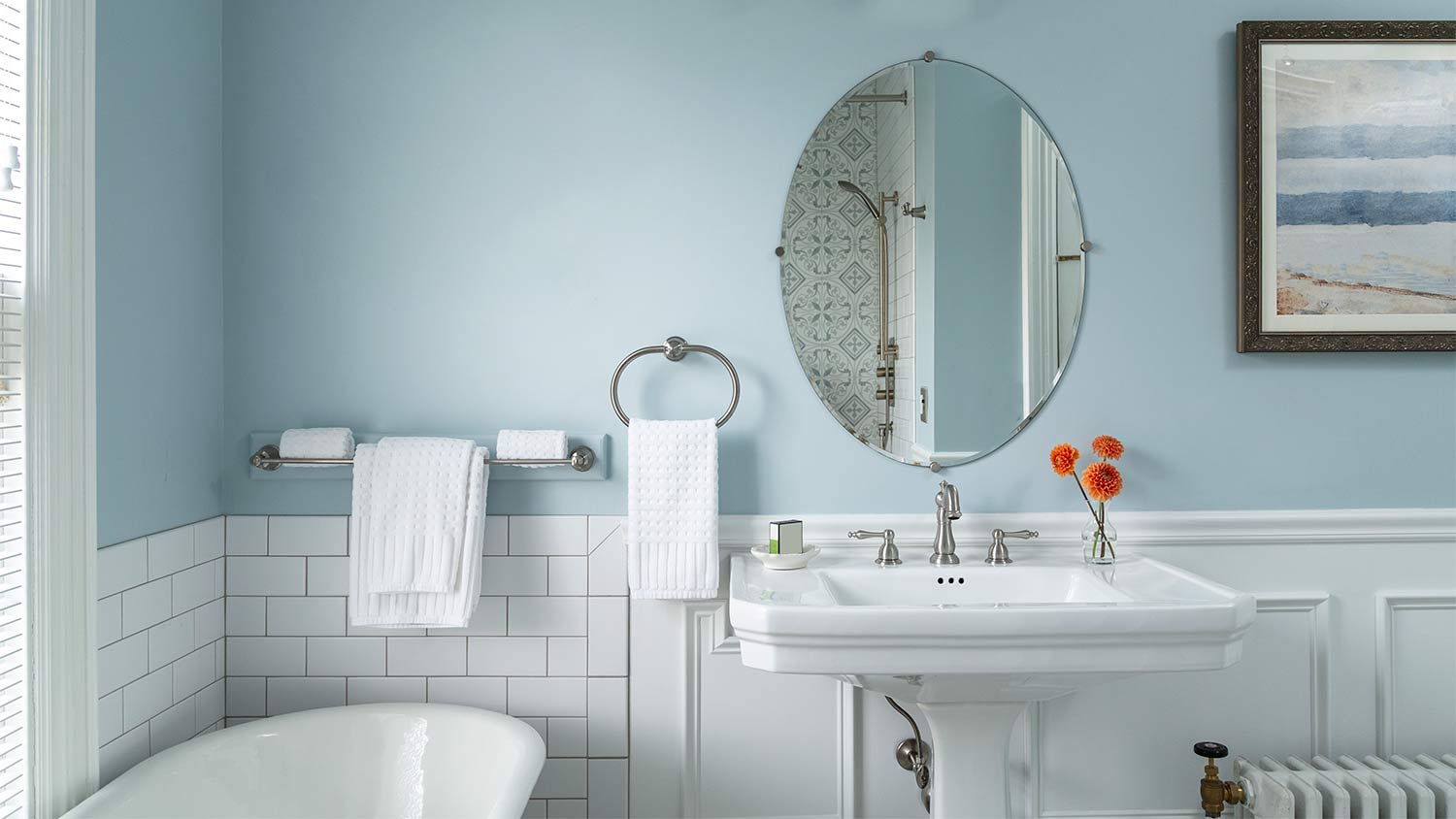
A new coat of paint can transform your bathroom and improve home value. Learn about the cost to paint a bathroom and what factors affect the total.
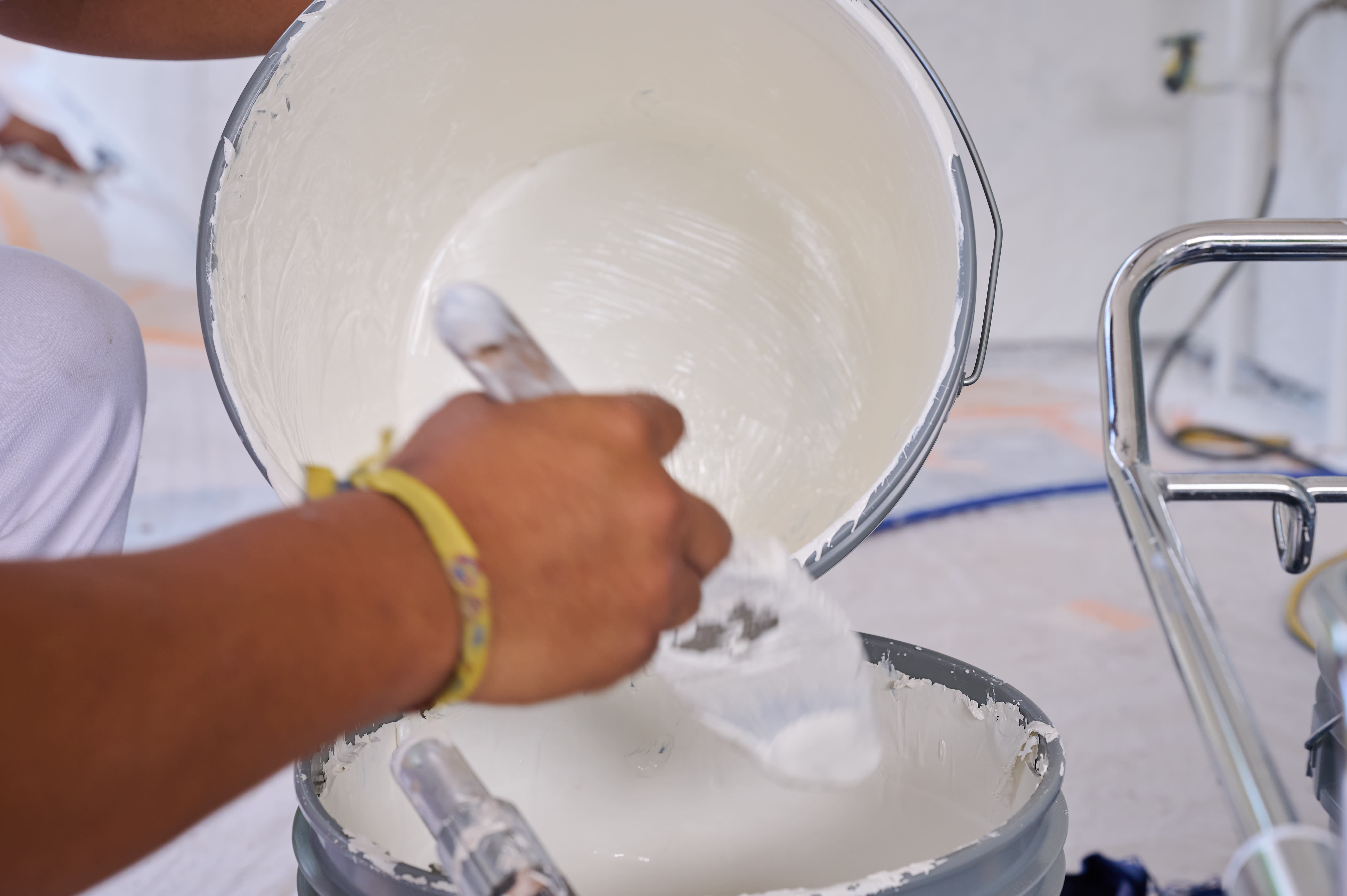
How much is a gallon of paint? Whether latex or oil-based, spray paint, primer, shellac, or lacquer, we’ll tell you what price to expect.

Wondering about the cost to paint a kitchen? Discover prices, key cost factors, and tips to help you budget for your kitchen painting project.

Knowing what type of paint is ideal for your project will give you the best results. Learn about different types of paint and what to use them for.
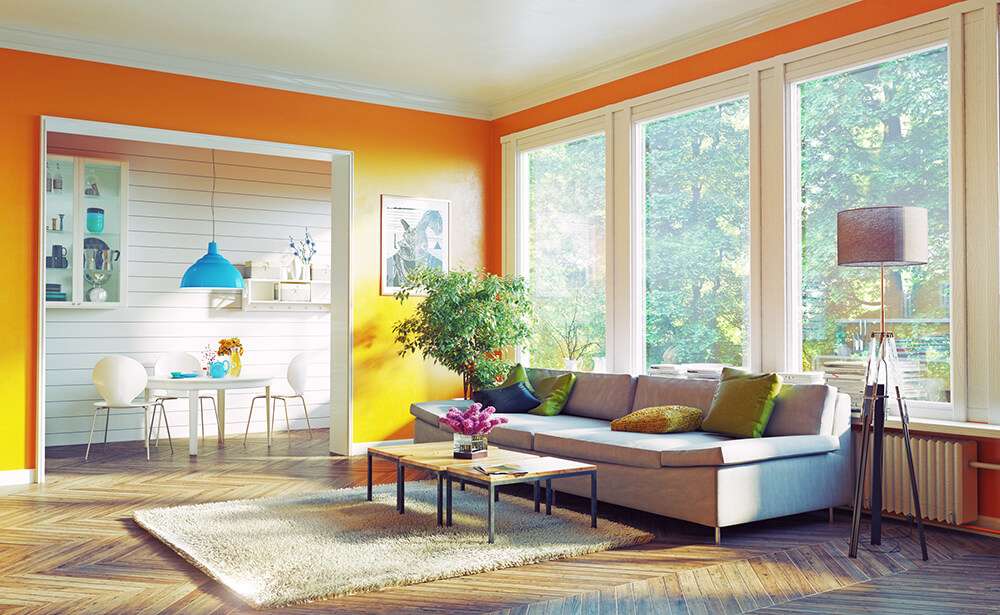
Before you pick up that paint brush, check out these 11 must-know painting tips for your DIY interior painting project.
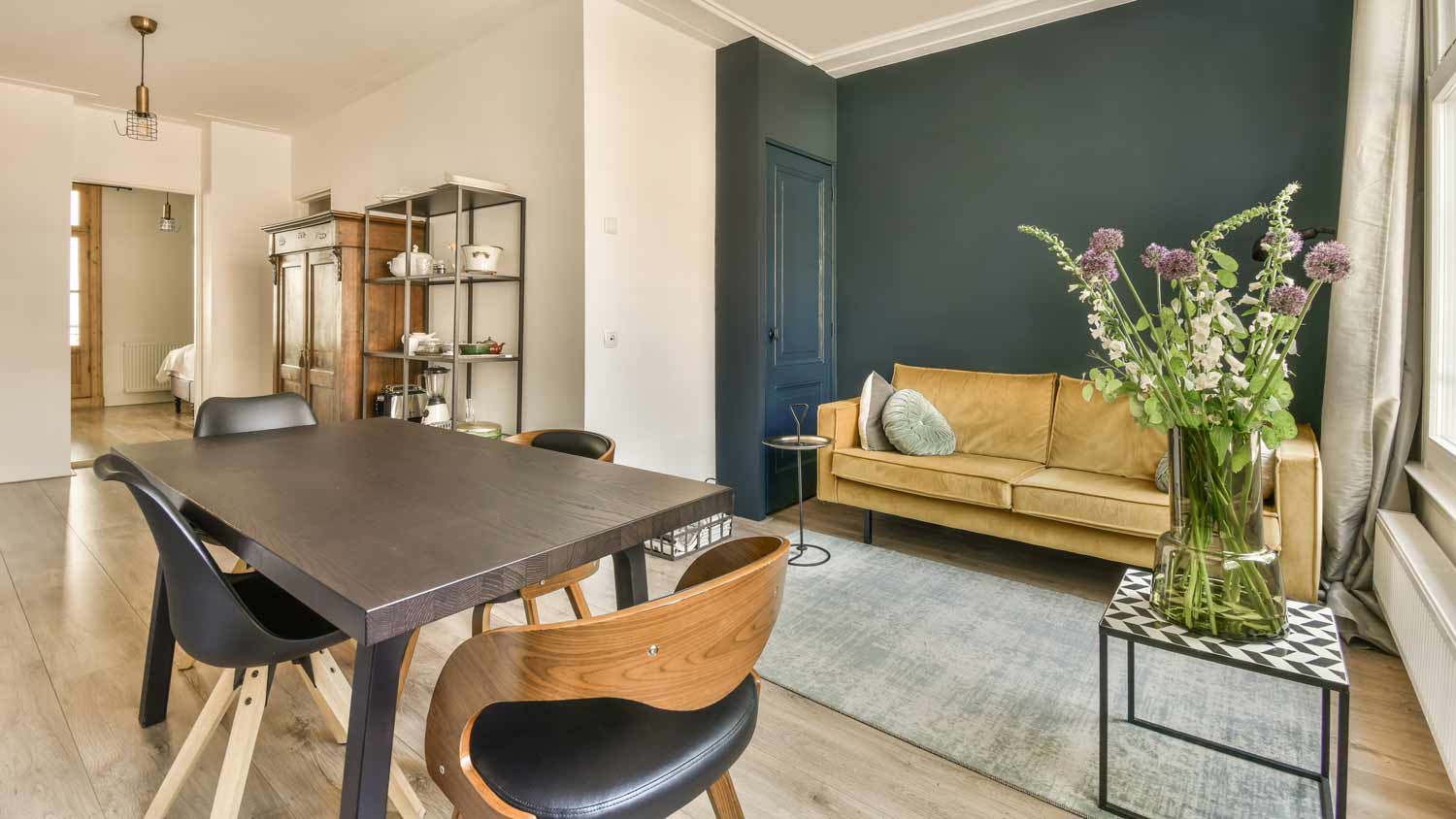
Not sure whether to use ceiling or wall paint for your upcoming paint job? Compare ceiling paint vs. wall paint with this informative guide.