


Top-rated drywall insulation pros.

Get matched with top drywall insulation pros in Westfield, NC

Enter your zip and get matched with up to 5 pros

Need a pro for your drywall insulation project in Westfield, NC?

Select your specific project to find the pro for you.

TRUSTED BY WESTFIELD, NC HOMEOWNERS

  • Average homeowner rating star icon4.4
    Average homeowner rating
  • Verified reviews icon47
    Verified drywall insulation services reviews

Find Drywall insulation pros in Westfield

Avatar for Home Genius Exteriors
Home Genius Exteriors
4.9(
412
)
Blown-In Insulation - Install or Upgrade

Serving Westfield, NC and surrounding areas

Approved

Super Service Award Winner

In business since 2005

Free estimates

Emergency services offered

"From the initial visit with the salesman to the production coordinators to the project managers to the boots on the ground (or roof) my experience with Home Genius Exteriors has been amazing! Tony, the Project Manager, is incredibly knowledgeable and personable. He took the time to walk me through every phase of my roof and siding replacement. He was very responsive, even during off-work hours. He addressed every concern I had and was thoughtful in his responses. He was very thorough when conducting inspections, identifying action items I didnâ t see, even if it meant additional work for his field crew at no extra cost. I canâ t say enough about the field crews for both my roof and siding replacements. They were incredible and they didnâ t treat my house as â just the next jobâ . They catered to my houseâ s needs, worked extremely efficiently, and did everything I asked of them. I would highly recommend Home Genius Exteriors for roof, siding, and gutter needs!"
Roofing
Roofing
Roofing
Roofing
Roofing

+79

Recommended by97%of homeowners
Avatar for Insulation Pros
Insulation Pros
4.8(
23
)
Blown-In Insulation - Install or Upgrade

Serving Westfield, NC and surrounding areas

In business since 2016

Free estimates

Warranties offered

"Insulation Pros expertly handled the insulation of my new construction project. Jacob and his team were not only efficient but also provided valuable advice on the best materials to use. Their attention to detail was impressive, and the work was completed ahead of schedule"
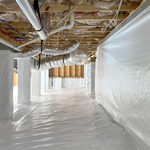
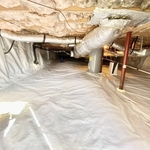
Crawlspace Encapsulation
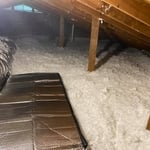
Attic Insulation
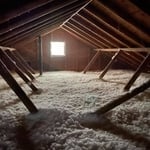
Attic Insulation
Response time3 days
Recommended by100%of homeowners
AR insulation
5.0(
3
)
Blown-In Insulation - Install or Upgrade

Serving Westfield, NC and surrounding areas

In business since 2021

Free estimates

Offers commercial services

"AR Insulation has been great to work with, we have used them on multiple projects and they always show up with the same professionalism and quality service regardless of installing blown or batted insulation with very competitive pricing and speedy installation. I would recommend to anyone."
9 neighbors recently requested a quote
Showing 1-10 of 29
Drywall Insulation questions, answered by experts

Depending on the place where the cutting error occurred, you may be able to fix it. Learning how to patch a hole in drywall is challenging, but if you can tape and mud drywall, you can do it. Having said that, patching is time consuming. Early in the installation process, you may find that it’s easier and far less time consuming to just start over with a new sheet of drywall, cutting a new hole in the right spot. You may be able to use part of the incorrectly cut piece elsewhere, so it’s not completely wasted.

The easiest way to cut holes in drywall for electrical boxes is to use a spiral saw with a drywall router bit. Hang the drywall without cutting out a hole for the box, but make sure you measure and mark where the box is located on the wall. Once you screw in the drywall sheet, drill a small hole into the box void, insert the spiral saw bit, and move it around the edge of the box using the inside wall as a guide. You can also use an oscillating multi-tool with an electrical box cutout for fast, professional results.

The two most common drywall thicknesses for ceilings are 1/2-inch and 5/8-inch. For most standard residential applications, 1/2-inch drywall is sufficient and widely used. It provides adequate support and is lighter and easier to handle during installation compared to thicker sheets. However, 5/8-inch drywall is often used for specific cases where additional benefits are needed. It is heavier but provides superior sound dampening and fire resistance. You should consider using 5/8-inch drywall for ceilings in commercial buildings, between a garage and a living space, or above a finished basement to meet building codes or for enhanced soundproofing.

It is possible to apply plaster on the interior or exterior of your home, but we don’t recommend it. Plaster is easy to apply in theory, but in reality, it can be a challenging material to work with, and it’s difficult to get the finished product to look clean, even, and smooth. Many DIYers end up calling in a professional afterward to touch up the area or even redo it entirely because of mistakes they made in the process. Hiring a plaster pro will cost more, but it’s usually the best option to achieve high-quality results.

The easiest way to tell if a wall is load bearing is to check if it’s an exterior wall or if it runs perpendicular to the joists above and below it (or parallel to beams). Exterior walls are almost always load-bearing, and walls that run under beams or parallel to them are also usually load-bearing. There are exceptions to these rules, and walls that don’t fit into these categories can still be load-bearing. If you’re unsure, hire a structural engineer to look at your home to assess whether or not the wall is structural.

The Westfield, NC homeowners’ guide to drywall insulation services

From average costs to expert advice, get all the answers you need to get your job done.