
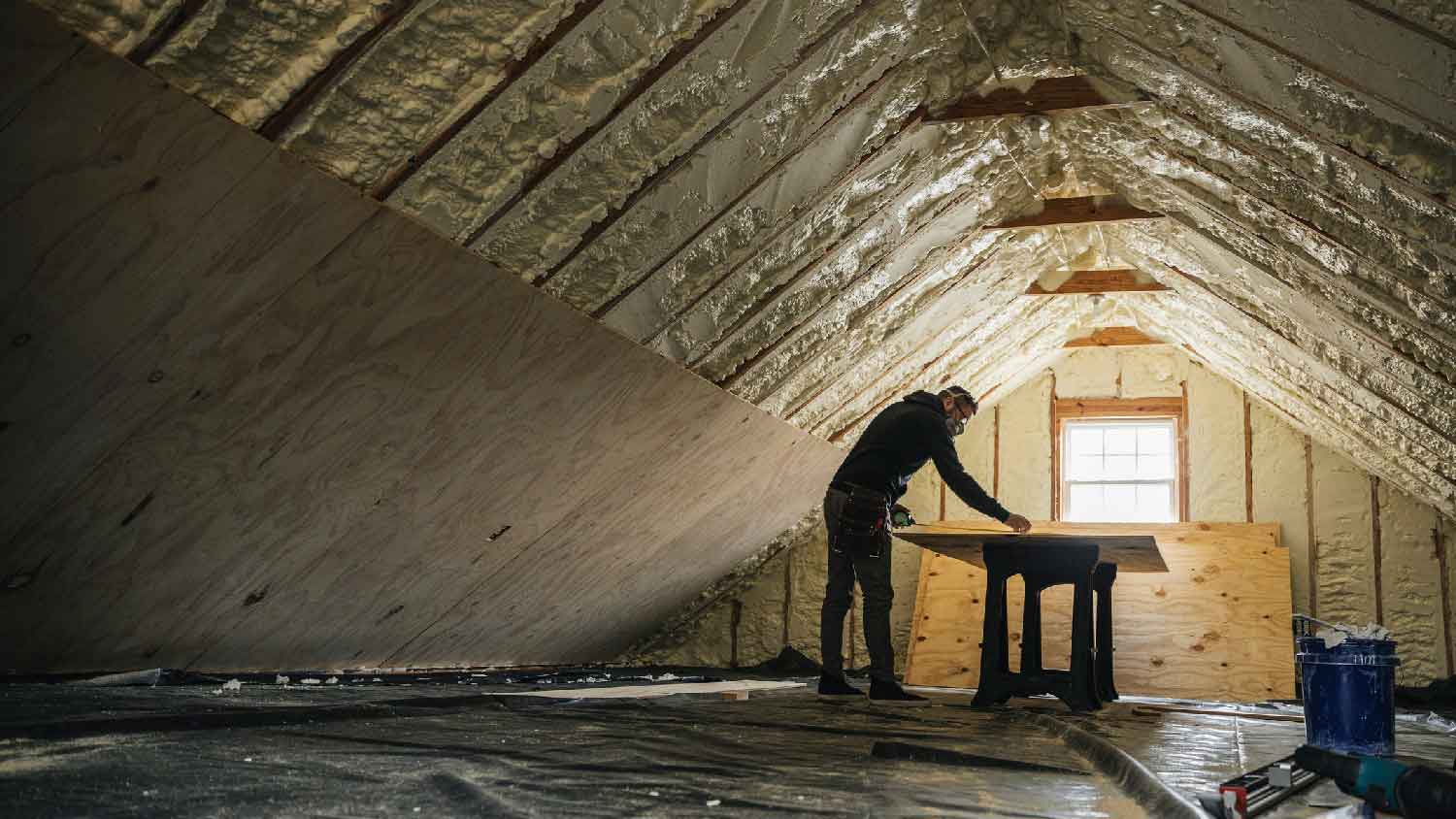
Your attic insulation removal cost in Raleigh, NC, varies based on multiple factors, including why you're removing it and how easy it is to complete the task.
Insulation service costs depend on your project and location. Check with a local pro for your specific job.

Attic insulation in Raleigh, NC costs $1–$3 per square foot on average.
Blown-in attic insulation is affordable and works well in this climate. Spray foam costs more but lasts indefinitely.
Air sealing adds $250–$740 to the cost but ensures wintry winds and summer heat won’t find their way into your home.
Hiring an attic insulation pro in Raleigh, NC, ensures the job is done correctly, helping you achieve up to 117% ROI.
The average cost of attic insulation in Raleigh, NC is $2,062, with the total ranging anywhere from $1,669 to $2,455 depending on the attic size and the type of insulation. Many homeowners in Raleigh, NC, opt for blown-in insulation for their attics because it offers a decent R-value and a low cost. But spray foam is becoming increasingly popular; it’s a higher investment upfront, but it has a long lifespan and withstands the region’s humidity well.
Attic insulation costs in Raleigh, NC, depend on the size of the attic and the type and R-value of the insulation itself. Also, keep in mind that additional prep work, removal of old insulation, and air sealing will increase the cost of this project.
The amount of insulation you need depends on the size of the attic and the desired insulation level or R-value. You’ll typically match the insulation coverage to the attic size, assuming you’re insulating the entire attic space. Here’s how much you can expect to pay for insulating different attic sizes:
| Attic Size (Square Feet) | Average Cost |
|---|---|
| 300 | $295–$885 |
| 500 | $495–$1,480 |
| 800 | $790–$2,360 |
| 1,000 | $985–$2,950 |
| 1,500 | $1,475–$4,420 |
You’ll need to account for the recommended R-value of your climate zone, as well. The higher the desired R-value, which represents the insulation's thermal resistance, the thicker the insulation needs to be. Colder climates generally require higher R-values to provide effective insulation.
To achieve the desired R-value, the insulation may need to be installed in multiple layers or in thicker batts or rolls. The more insulation material required to cover the attic space, the more it will contribute to the initial cost of finishing an attic.
The type of insulation you choose is among the most significant factors affecting cost. Each material has a different R-value, which makes it more or less effective in insulating the space.
Generally, blown-in insulation is the most affordable insulation type. Meanwhile, the materials and labor required to install rigid foam board insulation make it one of the more expensive options, but it has a higher R-value.
Not every type of insulation works for every attic. For instance, a lot of people love the strength and energy efficiency of structural insulated panels, but due to their relatively large standard sizes, retrofitting them isn’t always possible.
Some types are also better suited to specific climates. Reflective insulation, for example, is less expensive than other common types, but if you live in a cold climate, you'll likely need to combine it with another type of insulation to be effective during the winter. For that reason, reflective insulation is best used as a radiant barrier.
Here’s what you can expect to pay for different insulation materials.
| Attic Insulation Type | Average Cost Per Square Foot | Best Use |
|---|---|---|
| Batt | $2 to $4 | DIY installation and standard-sized attics |
| Blown-In | $1 to $4 | Filling irregular spaces and insulating existing attics |
| Loose Fill | $2 to $5 | Large, open attic spaces and cooler climates |
| Reflective | $0.50 to $2 | Hot climates or attics with limited insulation space |
| Rigid Board | $2 to $5 | High R-value and reducing moisture |
| Spray Foam | $2 to $5 | Sealing gaps and attics with complex shapes |
| Structural Insulated Panels | $4 to $7 | Achieving strong insulation in new attics |
New insulation can sometimes be added right on top of old insulation, but only if the old insulation is still in good condition. If the old insulation isn't in great shape, then you'll need to pay someone to remove it or remove it yourself. Hiring an insulator to remove it typically costs $1 to $1.50 per square foot, so you'll want to factor that price into your project budget if needed.
Air sealing involves removing all of your attic's insulation to find and resolve any air leaks. Many pro insulators air seal attics before installing new insulation, but this process can be costly, ranging from $250 to $740. Even though it's expensive, it's often worth it since air sealing can prolong the lifespan of your insulation while helping to block out moisture and drafts.
Air sealing is beneficial in any area of the home, but it’s particularly helpful in the attic for keeping your heating bills down in colder weather. Hot air rises and will naturally escape through gaps in the attic, and sealing helps keep the heat inside.
The cost of an attic insulation inspection can vary depending on several factors, including the region, the complexity and accessibility of the attic, and the service provider. On average, you can expect to pay anywhere from $100 to $295 for a professional attic insulation inspection. However, it's important to note that these are general estimates, and the actual cost may differ.
Some insulation contractors may offer free attic inspections as a promotional or introductory offer, while others may charge a fee that can be applied toward the insulation project if you decide to hire them for the job. It's a good idea to obtain multiple quotes from reputable insulation professionals in your area to get a better understanding of the specific costs involved in an attic insulation inspection.
Insulating an attic isn’t an easy job. You’ll need special tools, especially for installing spray foam insulation, and any mistakes can mean air drafts and higher energy bills at best or mold and mildew growth and structural damage at worst.
Hire an insulation pro in Raleigh, NC, to ensure your attic is ready to beat the region’s hot summers and cold winters, all while meeting local building codes.
Labor costs for attic insulation installation in Raleigh, NC, typically range from around $45 to $85 per hour. The labor costs may be higher if the team needs to clear out your attic before starting work or if you need the pros to remove the old insulation.
If you’re installing new insulation or replacing old insulation, you typically won’t need a permit. However, any mechanical or electrical work, such as relocating wiring or ducts, will require a trade permit from Wake County. A residential trade permit costs $75.
Adding attic insulation may require additional projects, like hiring an electrician to relocate wires or hiring an energy auditor to identify areas that need insulation most. If you’re looking to give your home a big boost in value, you can also work with pros to fully finish your attic once it’s been properly insulated. Here’s the average costs you’ll spend for these projects in Raleigh, NC:
Electrician cost: $150–$380
Home energy audit cost: $155–$330
Attic finishing cost: $4,000–$300,000
The climate in Raleigh, NC brings chilly temperatures from fall through spring and hot, humid weather in the summer. So, by adding insulation to your attic, you help keep indoor temperatures at a comfortable level year-round, which can bring a big boost not only to your home’s value, but also to your energy cost savings. Ultimately, the return on your investment (ROI) in this project is around 117%, plus you can cut your energy bills by 15 to 25%.
According to the EPA, homeowners can save significantly on monthly heating and cooling bills by installing insulation in their attics, floors, and crawl spaces.

To help homeowners plan their next project, Angi provides readers with carefully researched cost data and upholds strict editorial standards. We start with national average project costs, which we collect by analyzing competitor information, retailer material costs, and input from professional contractors. We then apply local price index data to calculate location-specific estimates that reflect what homeowners typically pay in their local area. To do that, we use data from the U.S. Bureau of Economic Analysis (BEA), including its Regional Price Parities (RPPs), which measure price differences across cities. This helps us account for differences in labor, materials, and overall cost of living, so estimates in higher- or lower-cost areas better reflect real-world local pricing.
Every estimate undergoes a thorough editorial review to verify accuracy, consistency, and alignment with observed market conditions.
Want to help us improve our cost data? Send us a recent project quote to [email protected]. Quotes and personal information will not be shared publicly.
I hired Donta to work on my attic, and I’m very pleased with the results. He was knowledgeable about insulation and energy efficiency and took the time to explain what he was doing. He worked hard, kept everything organized, and made sure the job was done correctly. I would absolutely...
 Blue's Crawlspace Repair
Had insulation blown into my attic. Great job. Took about 30 minutes once everything was setup. Insulation in the basement had fallen down. I4A put the existing insulation back in place. They cleaned up before leaving. They also helped me with financing. Overall a good experience with...
 Insulation For All, LLC
Let's say if you don't go with this company, you'll be severally disappointed. The Carolina Weatherization team, (Matt, Eric, Chris and Brian) are phenomenal! I considered putting in insulation in October to support my energy costs and went through several quotes with other companies prior...
 Carolina Weatherization
Solution Zero was exceptionally professional and punctual. Their crew worked efficiently, maintained a clean workspace, and was consistently courteous throughout the process. I would highly recommend them to friends and family for any insulation needs.
 Solution Zero LLC
I highly recommend Aaron for your upcoming projects as he did an excellent job installing vapor barrier and hanging insulation in our crawl space. He’s knowledgeable, responsive, ambitious, on time, and good to work with. I plan on using him on future projects at my home.
 AD-Stone Services
Our ceiling collapsed with all the insulation.. What a mess! Small but important board which was leaking caused the failure of a not too old roof. This problem was undetected by many other roofing companies even when the ceiling collapsed....until Gray Lewis climbed up on the roof! After...
 Mighty Dog Roofing of South Raleigh
Concrete pad insulation for existing pad. Work was completed as promised, high quality and on time. They also completed repair of front sidewalk. Consistently professional.
 CRQ Masonry, Inc.
Bryce and Kevin are great to work with for insulation installation. Their work is top notch, they have great pricing, and a wonderful attitude as well. Highly recommended!!!
 SouthEast Atlantic Insulation, Inc.
Highly recommend ! Triangle Radiant Barrier was recommended to us by a building contractor who had done some work for us previously, and they more than lived up to the recommendation. Their crew insulated our whole attic in 2 days, were very thorough and professional throughout their work,...
 Triangle Radiant Barrier
They did a wonderful job replacing our insulation in our crawl space and removing the old insulation. They have got the nicest, most personable, hard working employees I have encountered in a very long time. I would highly recommend this company to anyone needing work in their crawl space or...
 Crawlspace Medic
From average costs to expert advice, get all the answers you need to get your job done.
Your attic insulation removal cost in Raleigh, NC, varies based on multiple factors, including why you're removing it and how easy it is to complete the task.
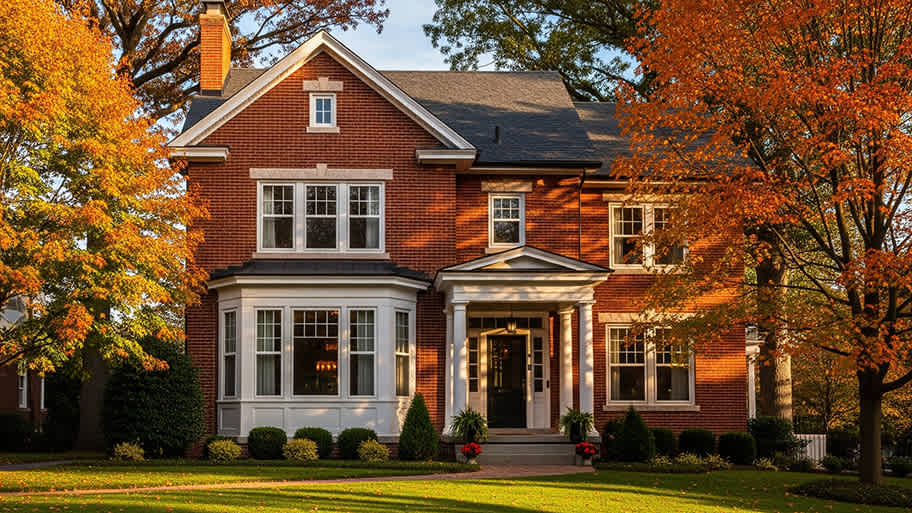
New insulation makes your home more comfortable and boosts energy efficiency. Use this guide to budget for insulation installation costs in Raleigh, NC.
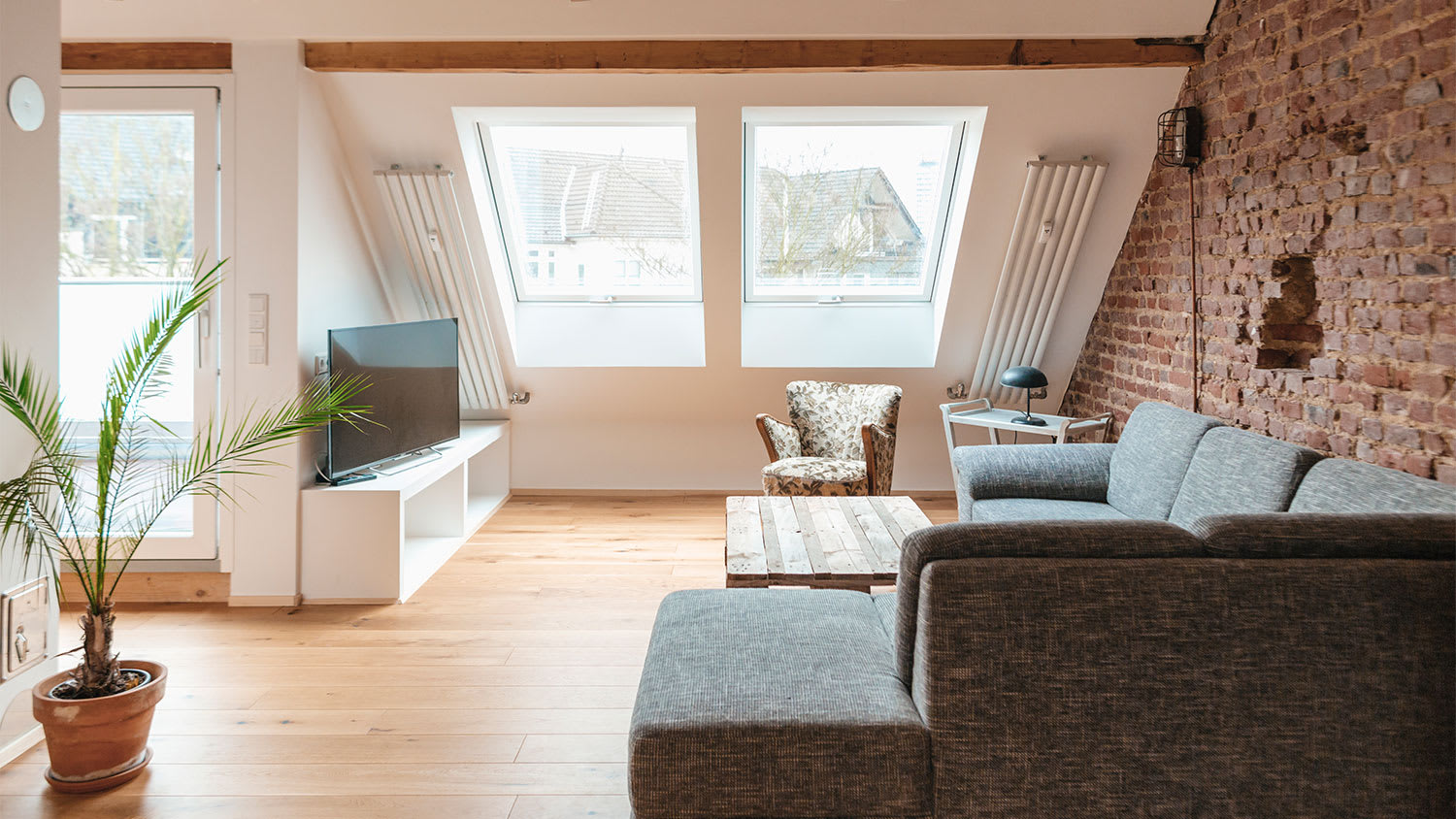
Finishing an attic can make a great addition to your home. This guide breaks down the cost to finish an attic in Raleigh, NC including labor, materials, and more.
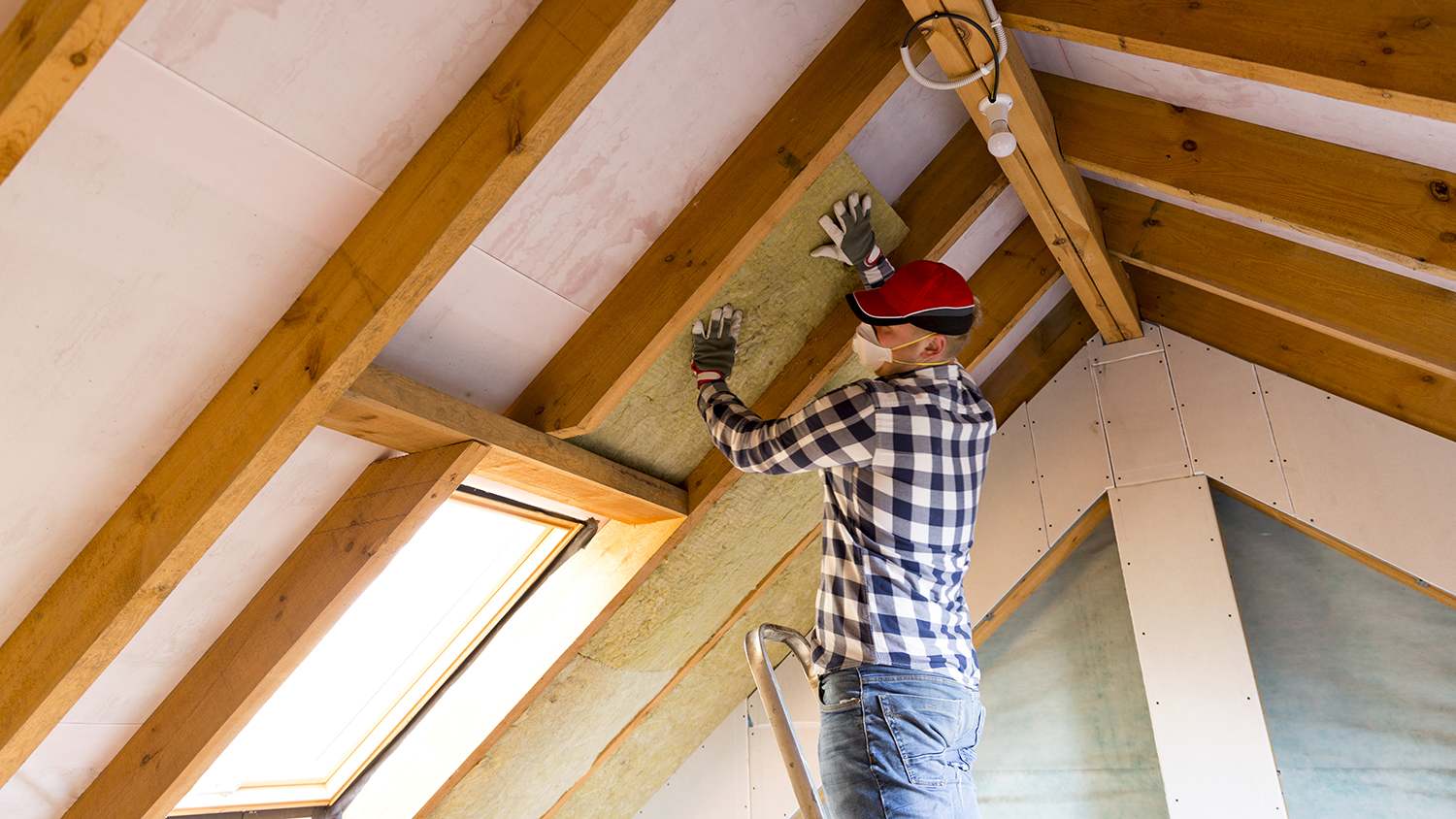
Wondering who to hire for attic insulation? Learn what insulation contractors do, how they work, and how to choose the right pro with confidence.
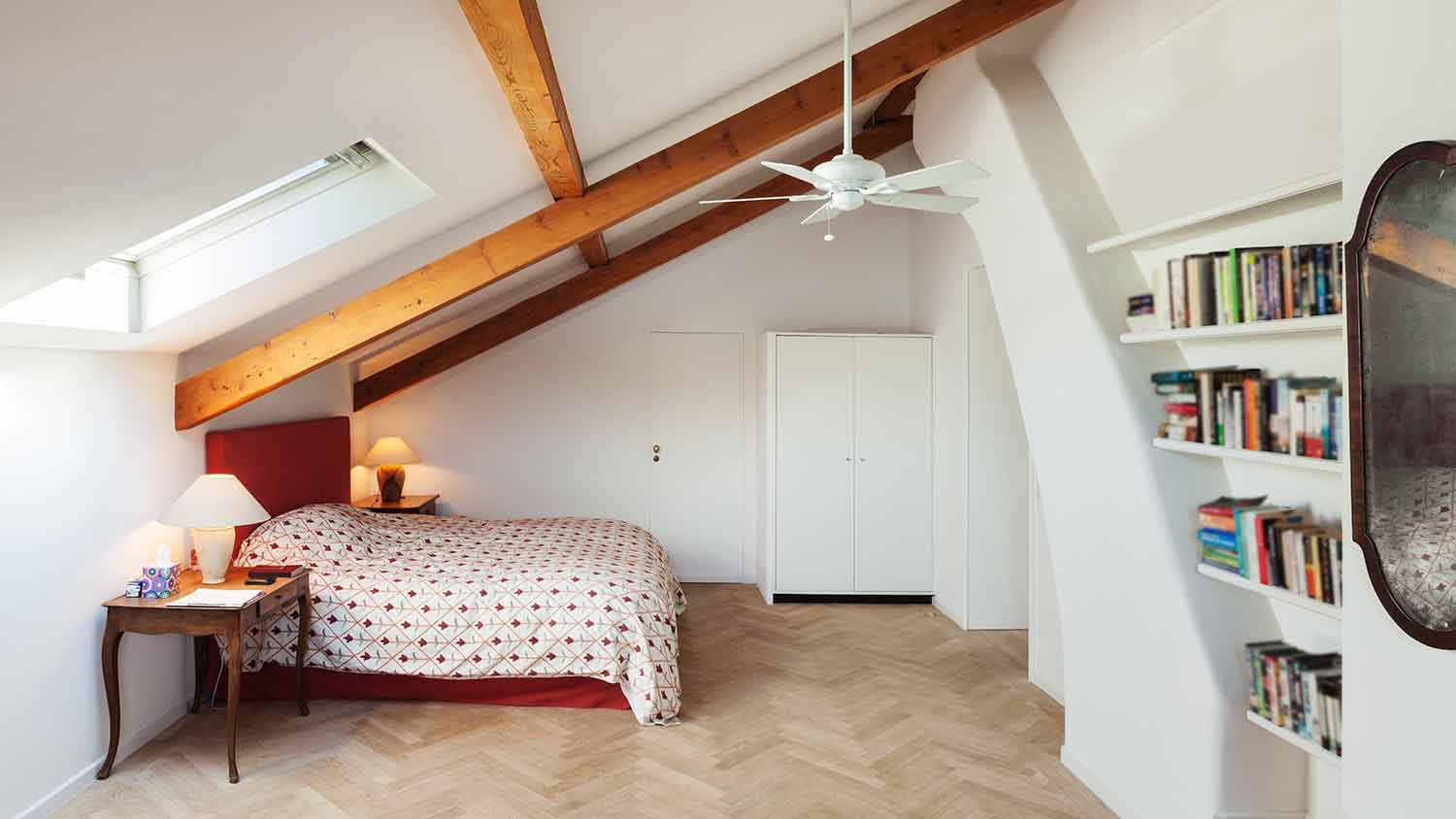
Your home likely loses most of its heat through your attic. This guide on different types of attic insulation can help you boost your home’s efficiency.

This guide breaks down what attic insulation is and its importance in keeping your home the temperature you want. Keep reading to learn more.