


Top-rated arborists.

Get matched with top arborists in Walnut Creek, NC

Enter your zip and get matched with up to 5 pros

Need a pro for your arboricultural service project in Walnut Creek, NC?

Select your specific project to find the pro for you.

TRUSTED BY WALNUT CREEK, NC HOMEOWNERS

  • Average homeowner rating star icon4.3
    Average homeowner rating
  • Verified reviews icon224
    Verified arboricultural services reviews

Find Arborists in Walnut Creek

Avatar for Alex's Lawn Care & Landscaping
Alex's Lawn Care & Landscaping
4.8(
17
)
Tree RemovalTree Trimming

Serving Walnut Creek, NC and surrounding areas

Approved

In business since 2021

Free estimates

Customers say: Quick response

"They showed up,gave me a quote , I agreed with him and they went to work, they trimmed a tree for me then they cut on down. They were very polite and very respectful. They did a great job, cleaned up all debris and left . Really appreciated the work they did. T"
4 neighbors recently requested a quote

Recommended by18%of homeowners
Avatar for DC Tree Cutting and Land Service
DC Tree Cutting and Land Service
5.0(
5
)
Tree Removal - For Business

Serving Walnut Creek, NC and surrounding areas

Approved

In business since 2018

Free estimates

Emergency services offered

With over 10 years of experience in the tree service industry, we are the experts you need to take care of your property. We large tree removal, land clearing, stump grinding and inert debris disposal. \n We will treat your home as we would treat our own. Give DC Tree Cutting a call today, we look forward to working with you!

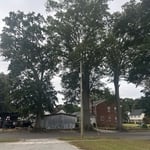
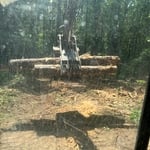
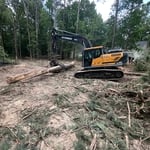
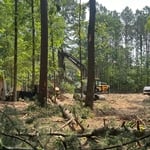
Before tree removal
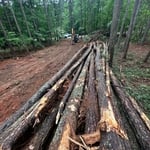
Lot clearing
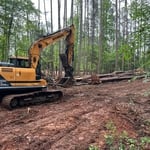
Land Clearing
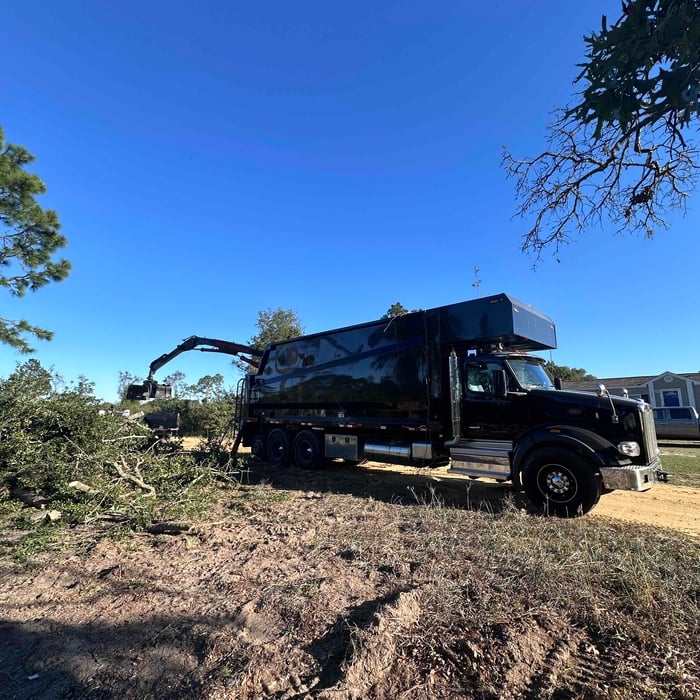
Grapple truck pickup

+2

Response time3 hrs
Response rate100%
1 neighbors recently requested a quote

SydNature Services LLC
New to Angi
Tree Trimming

Serving Walnut Creek, NC and surrounding areas

Approved

Hi, I’m Gerald, a dependable and hardworking professional who takes pride in providing quality service and treating every customer’s home with care and respect. I have hands-on experience with moving, furniture handling, plumbing assistance, maintenance, material handling, and other residential and commercial work.\n\nWhen you hire me, you can expect professionalism, attention to detail, safe work practices, and a commitment to getting the job done right. I understand that inviting someone into your home requires trust, and I work hard to earn that trust on every job.\n\nMy goal is simple: provide dependable service, take care of your property, and leave every customer satisfied with the work.

...
Showing 1-10 of 121
Arborists questions, answered by experts

Stump grinding consists of removing the visible part of the stump, but the roots remain intact. Depending on the tree and root system, the roots may still grow after stump grinding. If you are concerned about root growth and damage, you may want to consider having a stump removed completely.

Cutting down a tree next to power lines is never a DIY job, and it’s a good idea to contact your utility company first. In most cases, the utility company will need to take care of any tree problems within 10 to 15 feet of power lines. If you want to remove the tree for aesthetic reasons, hire a pro to do the job. Trying to cut trees near power lines yourself can create many safety hazards, and you could be liable if you inadvertently cause damage to electrical equipment.

Yes, it’s okay to trim low branches on a tree, also known as limbing up or raising the crown. Essentially, you’ll trim the lower third of the tree (trunk) and leave the upper two-thirds of the tree (crown). Arborists recommend trimming 20% of a tree’s leaves per season for two to three seasons. Trimming low branches allows light to flow through the tree, increasing circulation and making the tree stronger and healthier.

The best time to transplant a tree is when it is dormant. For many trees, this means either in the fall after the leaves have dropped (around October or November) or in early spring before new growth begins (around March). The ideal timing can depend on the type of tree. Deciduous trees do well when moved in early spring or fall, while evergreens are best transplanted in early spring or late summer. For example, pine trees are best moved in early fall, but maples prefer late fall. Avoid transplanting in winter, as the frozen or hard, cold soil poses a significant risk to the roots and prevents the tree from acclimating properly.

A tree can grow back from its stump, but full regrowth is unlikely (especially for more stubborn conifer trees). Instead, trees are more likely to send up a number of shoots from the dead stump, which will try to develop into primary stems over time. In other words, it will start to look increasingly bushy. The goal of killing and drying out a tree stump is to prevent that from happening, as well as make the stump easier to completely remove.

The Walnut Creek, NC homeowners’ guide to arboricultural services

From average costs to expert advice, get all the answers you need to get your job done.