


Top-rated arborists.

Get matched with top arborists in Snow Hill, NC

Enter your zip and get matched with up to 5 pros

Need a pro for your arboricultural service project in Snow Hill, NC?

Select your specific project to find the pro for you.

TRUSTED BY SNOW HILL, NC HOMEOWNERS

  • Average homeowner rating star icon4.5
    Average homeowner rating
  • Verified reviews icon197
    Verified arboricultural services reviews

Find Arborists in Snow Hill

Avatar for DC Tree Cutting and Land Service
DC Tree Cutting and Land Service
5.0(
5
)
Tree Removal - For Business

Serving Snow Hill, NC and surrounding areas

Approved

In business since 2018

Free estimates

Emergency services offered

With over 10 years of experience in the tree service industry, we are the experts you need to take care of your property. We large tree removal, land clearing, stump grinding and inert debris disposal. \n We will treat your home as we would treat our own. Give DC Tree Cutting a call today, we look forward to working with you!

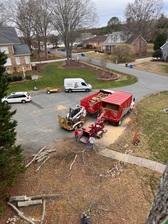
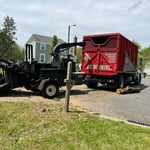
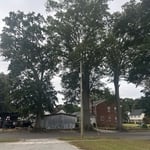
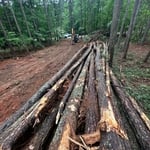
Before tree removal
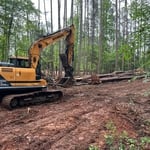
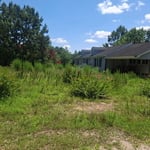
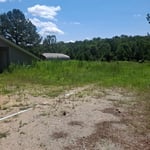
Lot clearing
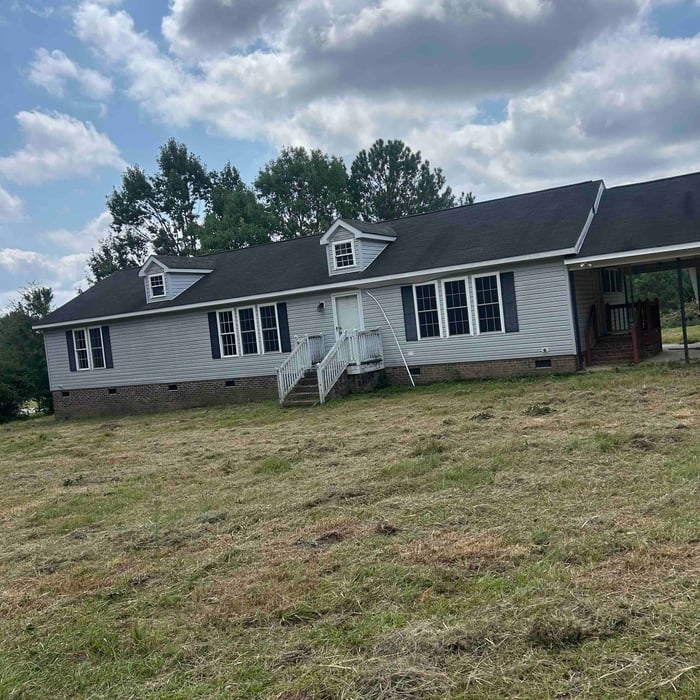
Land Clearing
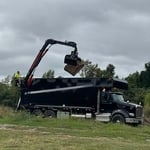
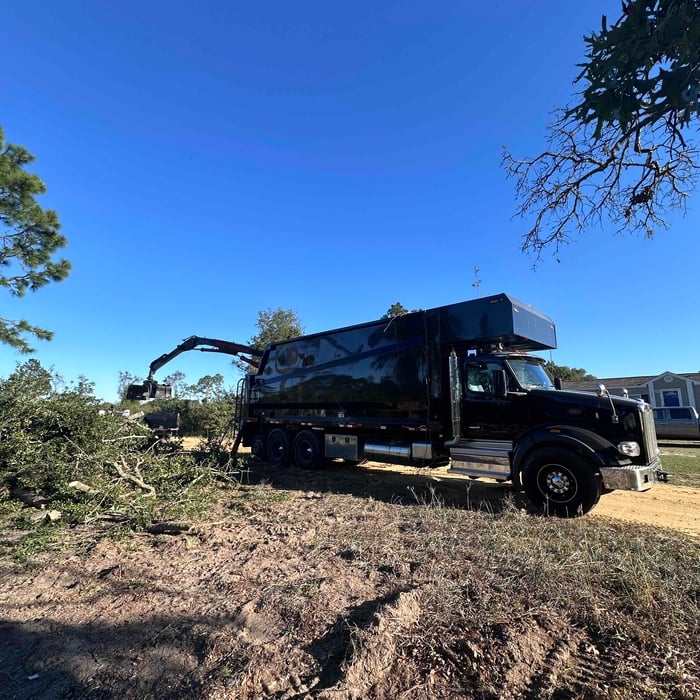
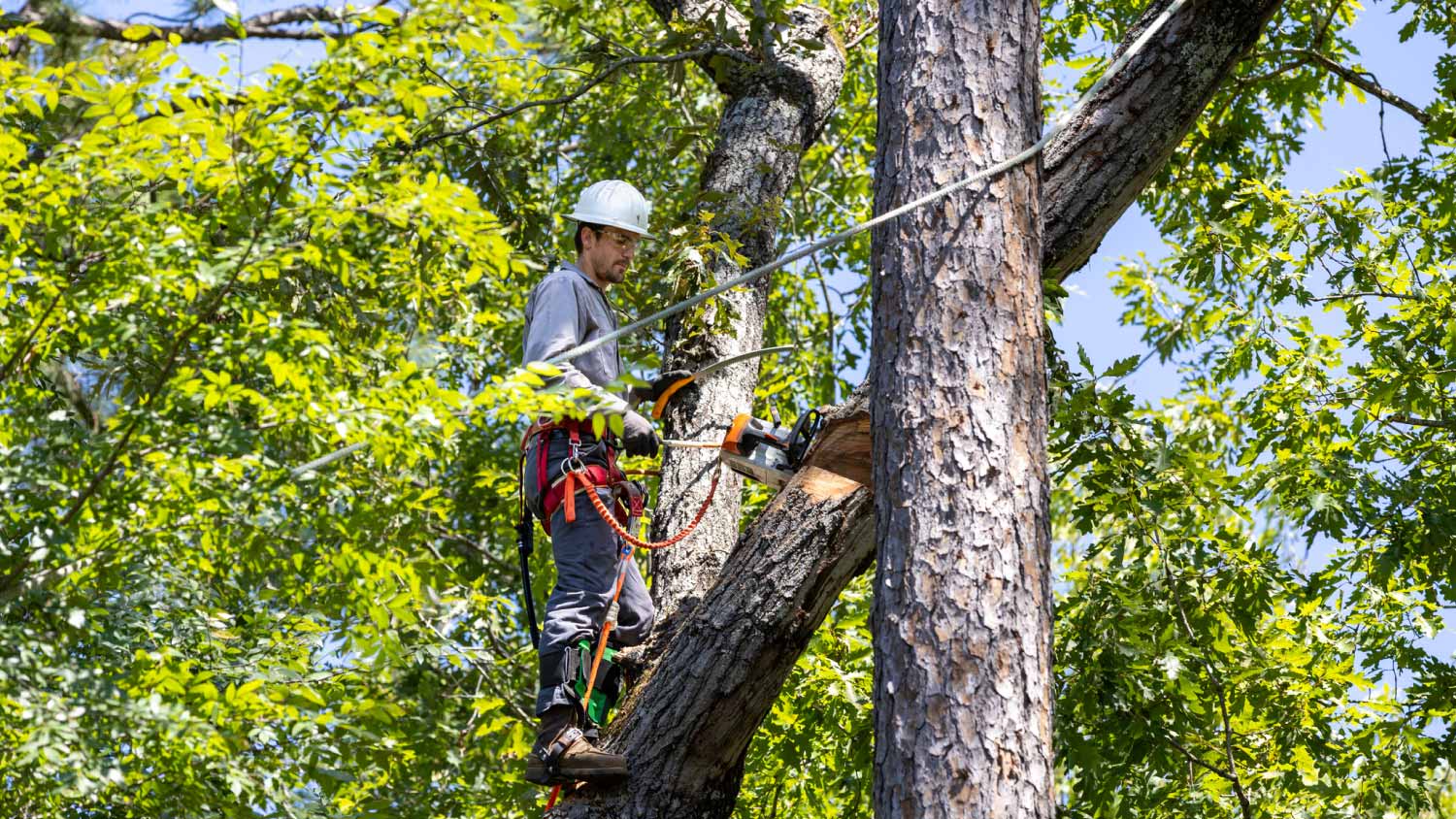
Grapple truck pickup

+2

Response time3 hrs
Response rate100%
Avatar for Greener Lawns
Greener Lawns
5.0(
7
)
Trees & Shrubs - Treat, Protect and Maintain

Serving Snow Hill, NC and surrounding areas

In business since 2025

Free estimates

Credit card accepted

"Does real good work. I think he put more chemicals down than my previous lawn man getting a good coverage to my lawn. I would recommend him to friends and family for his services."
Green Lawn
Response time2 days
Response rate100%
9 neighbors recently requested a quote
...
Showing 1-10 of 78
Arborists questions, answered by experts

Poison oak is similar to poison ivy in that it's in the same family of plants. Poison oak is identifiable by its rounded-off leaves and hairy leaf texture. Tree-climbing varieties live primarily in western states while low-growing poison oak bushes occupy the eastern states. Treat poison oak like poison ivy to get rid of it permanently.

Unfortunately, palm tree stumps are one of the most difficult types to remove due to how their roots grow. Unlike other trees, palm tree roots grow horizontally and vertically. Palm tree roots grow as deep as three feet into the ground, although soil and growing conditions could mean they go as far as 50 inches into the earth. 

If you want to be able to repurpose the grass in the area where you removed a stump later, you’ll have to dig quite deep—and perhaps wide—to trim away all the roots.

If executed correctly your tree should survive after being transplanted to a new spot. However, effective transplanting requires six months, careful root pruning, safe transport to the new location, and replanting in prime soil conditions. You’ll also need an appropriately sized root ball for a complete tree transplant. A good rule of thumb is that, for every inch in diameter, your tree’s root ball needs to be around 11 inches. So a tree with a diameter of six inches needs a root ball of approximately 66 inches.

Talking with a septic pro before planting trees near your tank is best to ensure the roots won’t interfere with your septic system. However, there is an easy way to figure out where to plant a tree—but you’ll need to know how tall it can get when it’s fully grown. For instance, if the tree can reach 50 feet, plant it at least 50 feet from your septic system.

After a big storm, you may not be sure if a tree was struck or not. Look for the telltale long scars, like strips or gouges in the bark of the tree, running in sometimes jagged lines down the length of the trunk. These scars will often show vulnerable living wood inside the tree. It’s also common to see scorched or wilted leaves on the side or top of the tree where lightning struck.

The Snow Hill, NC homeowners’ guide to arboricultural services

From average costs to expert advice, get all the answers you need to get your job done.