Top-rated leaf removal pros.

Get matched with top leaf removal pros in Sanford, NC

Enter your zip and get matched with up to 5 pros

Need a pro for your leaf removal project in Sanford, NC?

Select your specific project to find the pro for you.

TRUSTED BY SANFORD, NC HOMEOWNERS

  • Average homeowner rating star icon4.3
    Average homeowner rating
  • Verified reviews icon57
    Verified leaf removal services reviews

Find Leaf removal pros in Sanford

Avatar for Overbay Construction, LLC
Overbay Construction, LLC
5.0(
7
)
Lawn Care - Maintain and Mow a Lawn

Serving Sanford, NC and surrounding areas

Approved

In business since 2022

Free estimates

Warranties offered

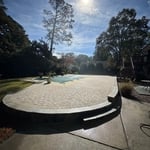
"Did an excellent job on the patio. listened to our ideas and explained process and what it would take to get it completed. Had great knowledge and understanding of products and did not cut corners on the materials used. Project exceeded our expectations and at a great value. Great job Matt.."
Apex, Wall and Flagstone
wall steps flagstone
Planters with steps
planters

+27

Response time8 hrs
6 neighbors recently requested a quote
Recommended by85%of homeowners
...
Showing 1-10 of 465
Leaf Removal questions, answered by experts

Hazardous waste is waste that poses a threat to human or environmental health. This generally refers to waste that is flammable, corrosive, toxic, or reactive. To confirm if the waste you need to remove is considered hazardous waste, contact your local hazardous waste facility.

Government regulations such as the EPA and OSHA govern lead removal procedures to ensure health and environmental safety during and after abatement.

According to the Environmental Protection Agency (EPA), hazardous waste is generally classified into four main categories:

1. Characteristic Wastes: These exhibit at least one of four hazardous traits: ignitability (flammable, like gasoline), corrosivity (can rust or decompose materials, like car batteries), reactivity (unstable and can explode, like aerosol cans), or toxicity (harmful when ingested, like lead-based paint).

2. Listed Wastes: These are specific wastes from manufacturing and industrial processes that the EPA has officially designated as hazardous. They include byproducts from processes that use solvents, pesticides, and other chemicals.

3. Universal Wastes: These are commonly generated hazardous items that are subject to streamlined regulations. Examples include batteries, pesticides, mercury-containing equipment (e.g., bulbs), and some lamps.

4. Mixed Wastes: This category includes waste that contains both hazardous and radioactive components, making it subject to regulation by both the EPA and the Nuclear Regulatory Commission.

If your roof was constructed between 1930 and 1970, there’s a possibility that the shingles contain asbestos. If that’s the case, you should hire a professional for repairs and replacement, as they’ll have the necessary equipment to stay safe from such a hazardous and cancer-causing substance. If your home was constructed after this period, it’s unlikely that the shingles in place are toxic. In most cases, asbestos shingles are not recyclable, while standard asphalt shingles are recyclable.

By using PPE, sealing work areas, and following containment procedures.

The Sanford, NC homeowners’ guide to leaf removal services

From average costs to expert advice, get all the answers you need to get your job done.