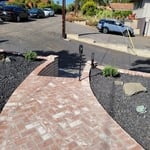
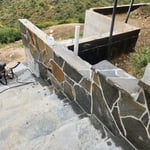
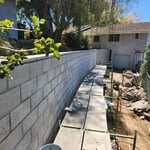
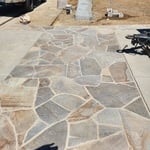
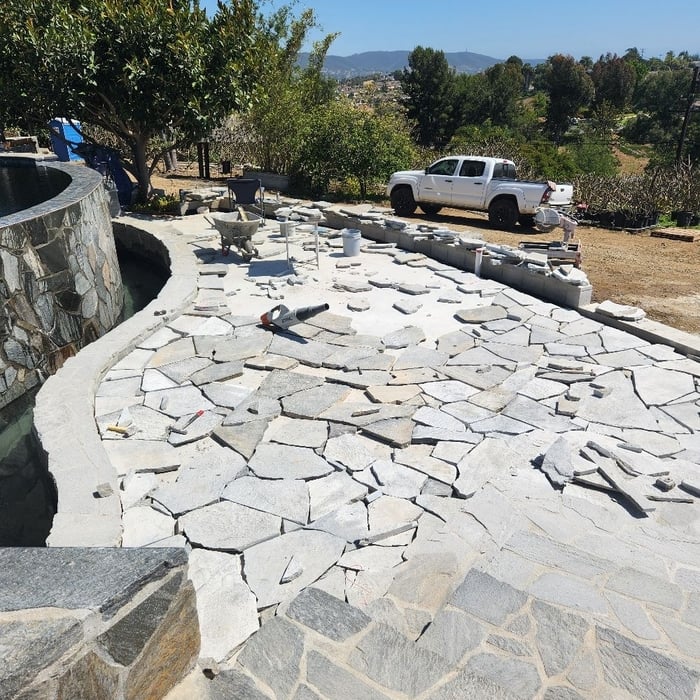
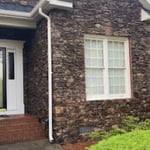
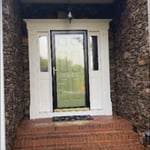
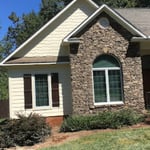
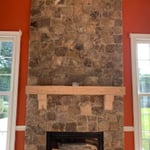
"JR Masonry did an excellent job. The masonry was pointed correctly and I highly them for your masonry concerns. Whether new construction or repair services, they will do it right."
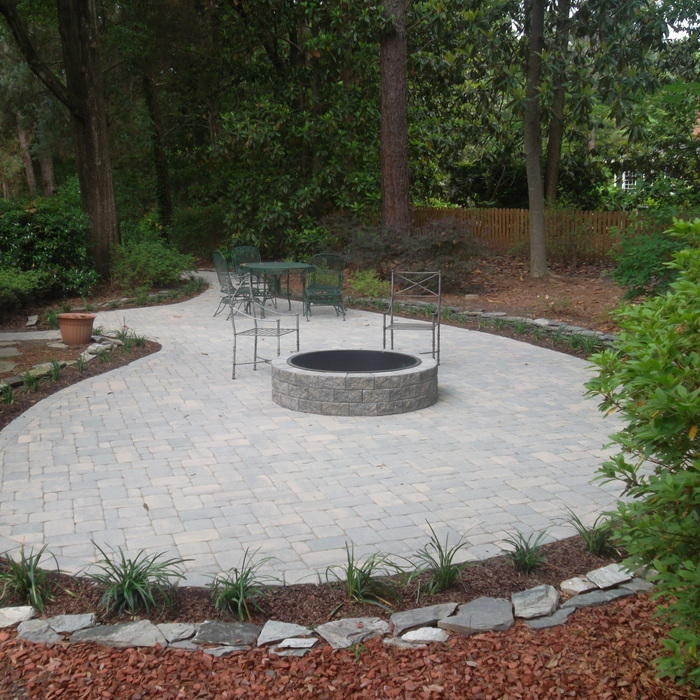
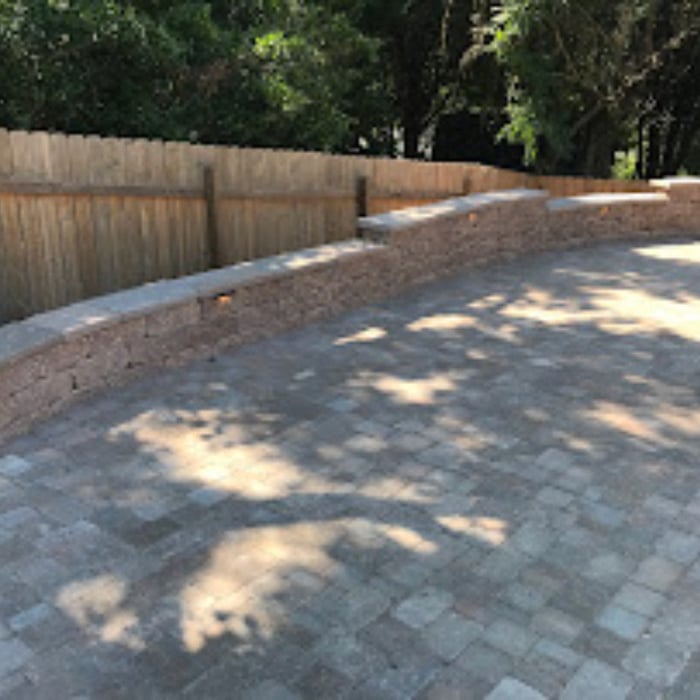
We are ICPI Certified Installers of interlocking pavers. We create patios, sidewalks, driveways, outdoor kitchens, firepits, and garden ponds. This process will turn your home into a work of art. If you can imagine it, we can build it. Free consultations, satisfaction guaranteed.
\n
\nWe offer top of the line beautiful landscape lighting. This is more practical and affordable than you might realize. Whether you are desiring to light up the house or just need paths to the barn or pool made visible at night, we have the style at a practical price. All equipment is made right here in America.
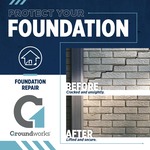
Groundworks is the North America's leading and fastest-growing foundation repair and water management solutions provider. Groundworks is a vertically integrated company with its own manufacturing operations and a world-class software solution, allowing us to serve our customers more effectively. From the first phone call to the annual maintenance offered, our customers have peace of mind knowing we're there with one mission to repair, protect and improve their home. For state licenses visit Groundworks.com/licensing
We are a locally owned and operated company with over 20 years of experience. We value honesty and integrity and treat your home as if it were our own. Our services are customized to the individual project, paying close attention to the details of each project that we're involved with. We pride ourselves on the quality of our work as well as our commitment to outstanding results. We look forward to building lasting relationships and guaranteeing your satisfaction!
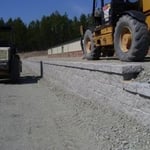
With over a decade of hands-on experience, Lovingood Stonework has been delivering high-quality stone, and brick, craftsmanship to homeowners and businesses across the region. We specialize in building beautiful and durable retaining walls, patios, stone veneer facades, and custom masonry solutions tailored to your space.\n\nOur team is driven by precision, integrity, and a deep appreciation for timeless stone design. Whether you’re enhancing your landscape or building from the ground up, we bring your vision to life — one stone at a time.
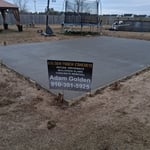
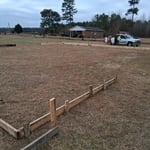
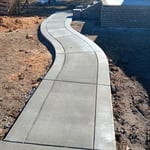
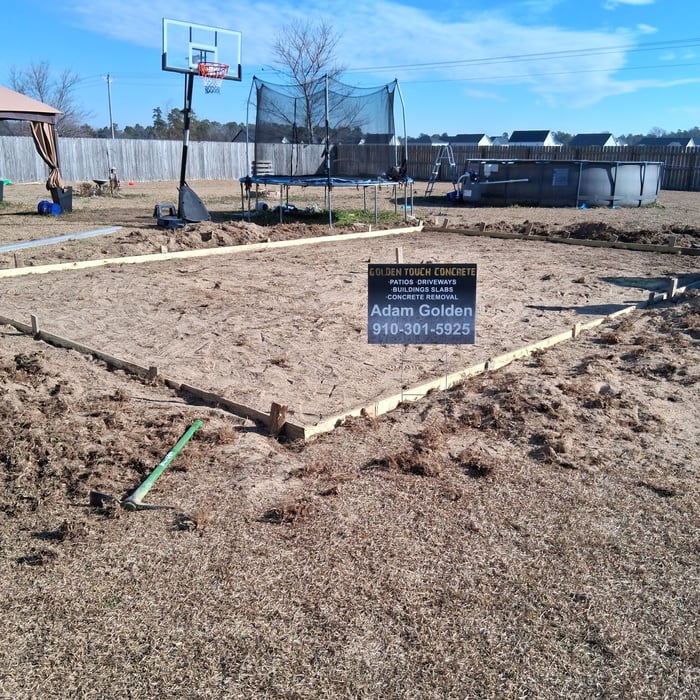
Golden Touch Concrete is built on excellence in every aspect of our work. We operate with integrity, fairness, and honesty, taking full responsibility for the quality of every project we deliver. What sets us apart is the superior craftsmanship and service we provide our customers. With 40 years, as of June 2026, of hands-on experience and deep industry knowledge, we bring skill, precision, and professionalism to every job. Above all, we put our customers first, protecting their interests and making their needs the foundation of everything we do.\n\n\n\n
Committed to excellence every aspect of our business. We uphold a standard of integrity bound by fairness, honesty and personal responsibility. Our distinction is the quality of service we bring to our customers. Accurate knowledge of our trade, combined with our ability, is what makes us true professionals. Above all, we are watchful of our customers' interests and make their concerns the basis of our business.
With over 20 years of business and experience, 3D Landscaping is the way to go for all your lawn care needs. We take great pride in our quality work ethic and superior customer service with every job. Satisfaction Guaranteed!
\n
\nLet us make your lawn beautiful! Call today!
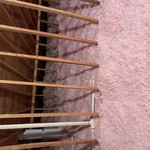
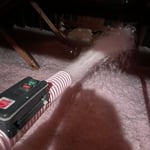
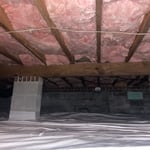
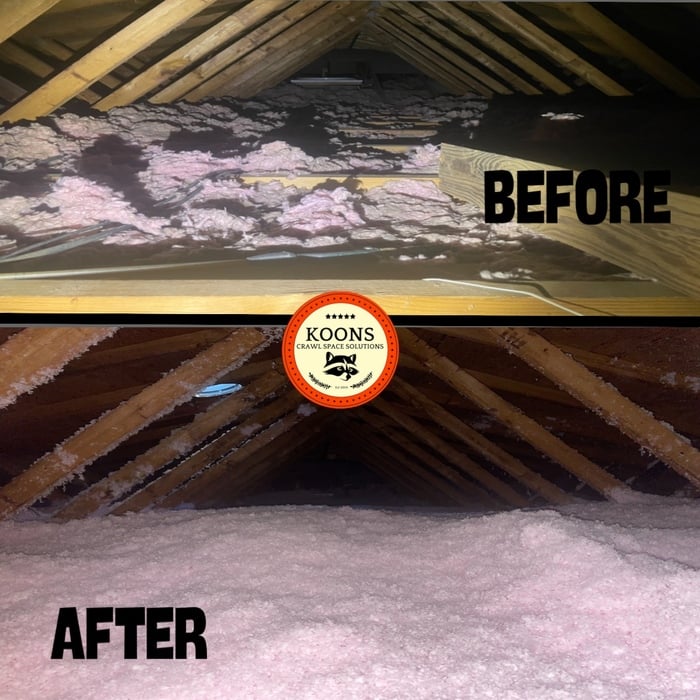
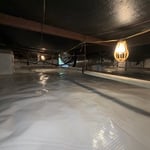
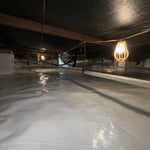
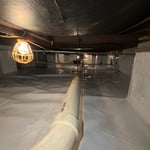
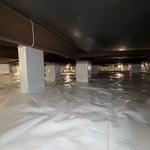
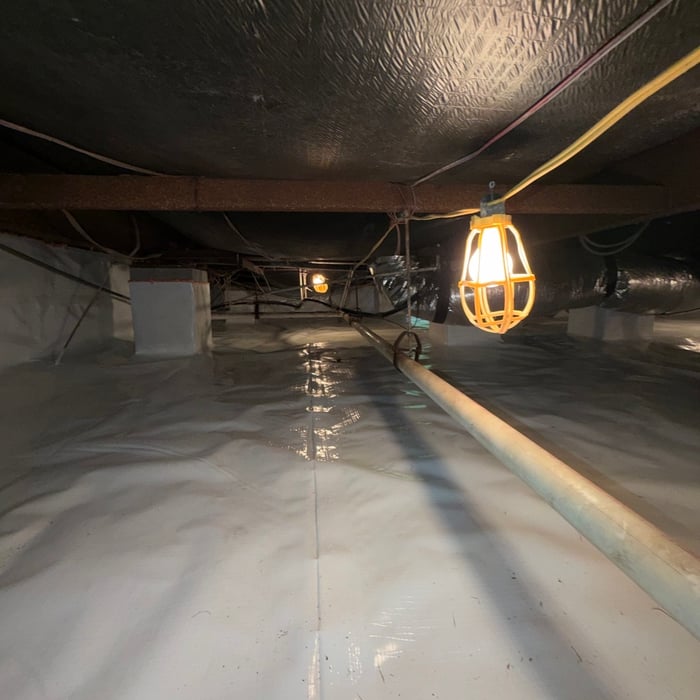
Crawlspace Miracles LLC is a locally owned crawl space contractor based in the Wilmington and Leland, North Carolina area, specializing in moisture control and structural stabilization.\n\nServices Offered\n\nCrawl Space Encapsulation: Installing heavy-duty vapor barriers to isolate the home from ground moisture.\n\nMoisture & Mold Control: Preventing wood rot, musty odors, and fungal growth.\n\nStructural Repair: Providing floor supports, joist sistering, and floor stabilization.Water Management: Installing sump pumps to remove standing water.
We pride our company on reliability, great communication, integrity, and quality work. We are experts in our trade and will do our best to keep you as educated as we can on your particular task or project. We look forward to earning your business! Book with us online or feel free to give us a call today!
Do not use super glue to hang lights on brick unless you want your lights up year-round. Hot glue is a better choice because it’s easily removable with a small amount of rubbing alcohol. Super glue is very hard to remove, and you could tear off parts of the brick in the removal process.
On average, a quality exterior brick stain can last between 10 and 20 years, and sometimes even longer. While it will look its best for a minimum of three to five years, its total lifespan depends on several factors. These include the quality and type of stain used, the condition of the brick, and the thoroughness of the surface preparation, such as proper cleaning. Following the manufacturer's application instructions and applying a sealant as a final step is also crucial. The stain's longevity can be affected by your location, climate, and the brick's exposure to harsh weather, high traffic, and other elements. Over time, the stain may begin to fade or look dingy due to weathering, erosion, dirt, and debris. Compared to paint, brick stain generally has a longer lifespan.
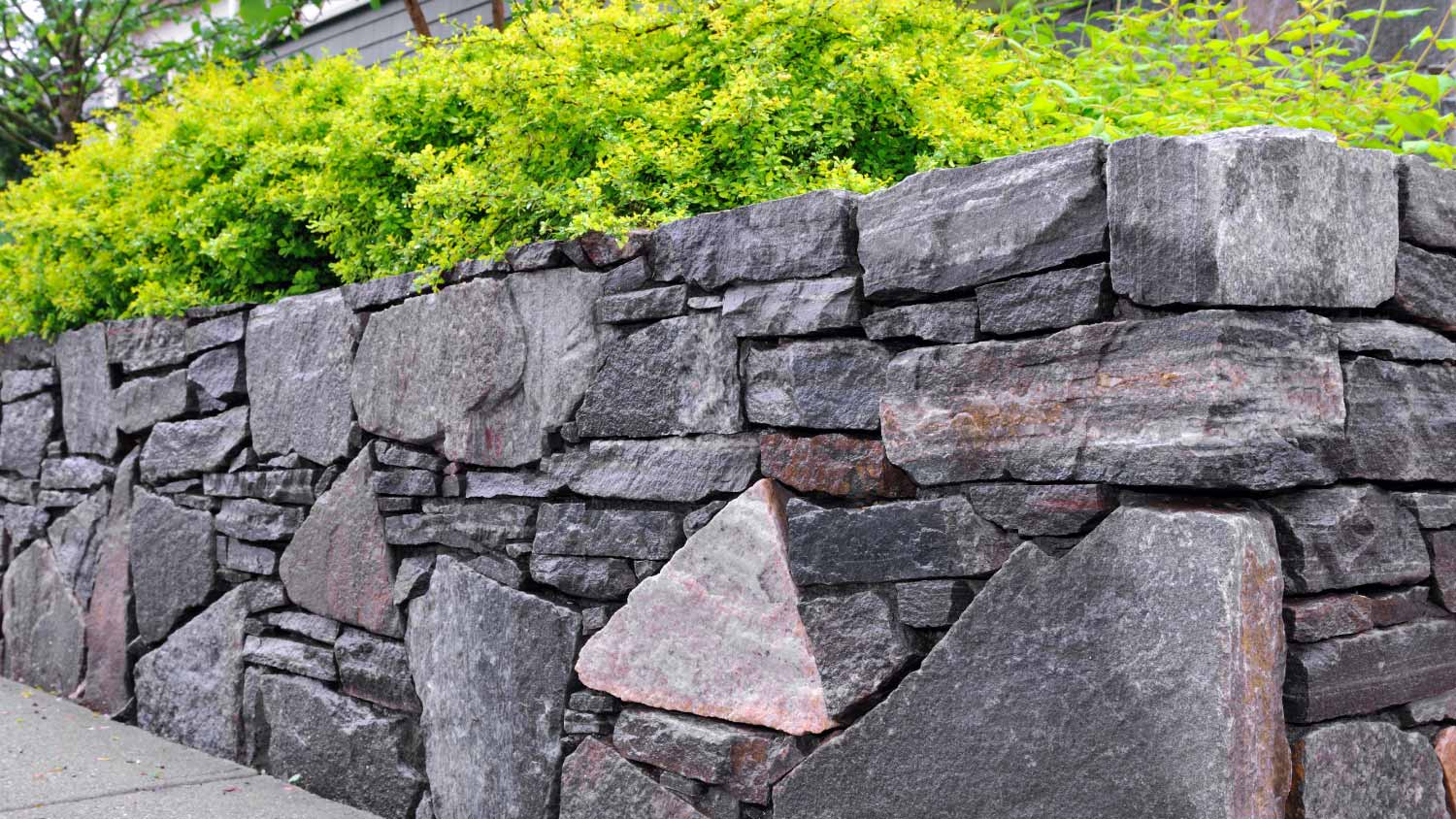
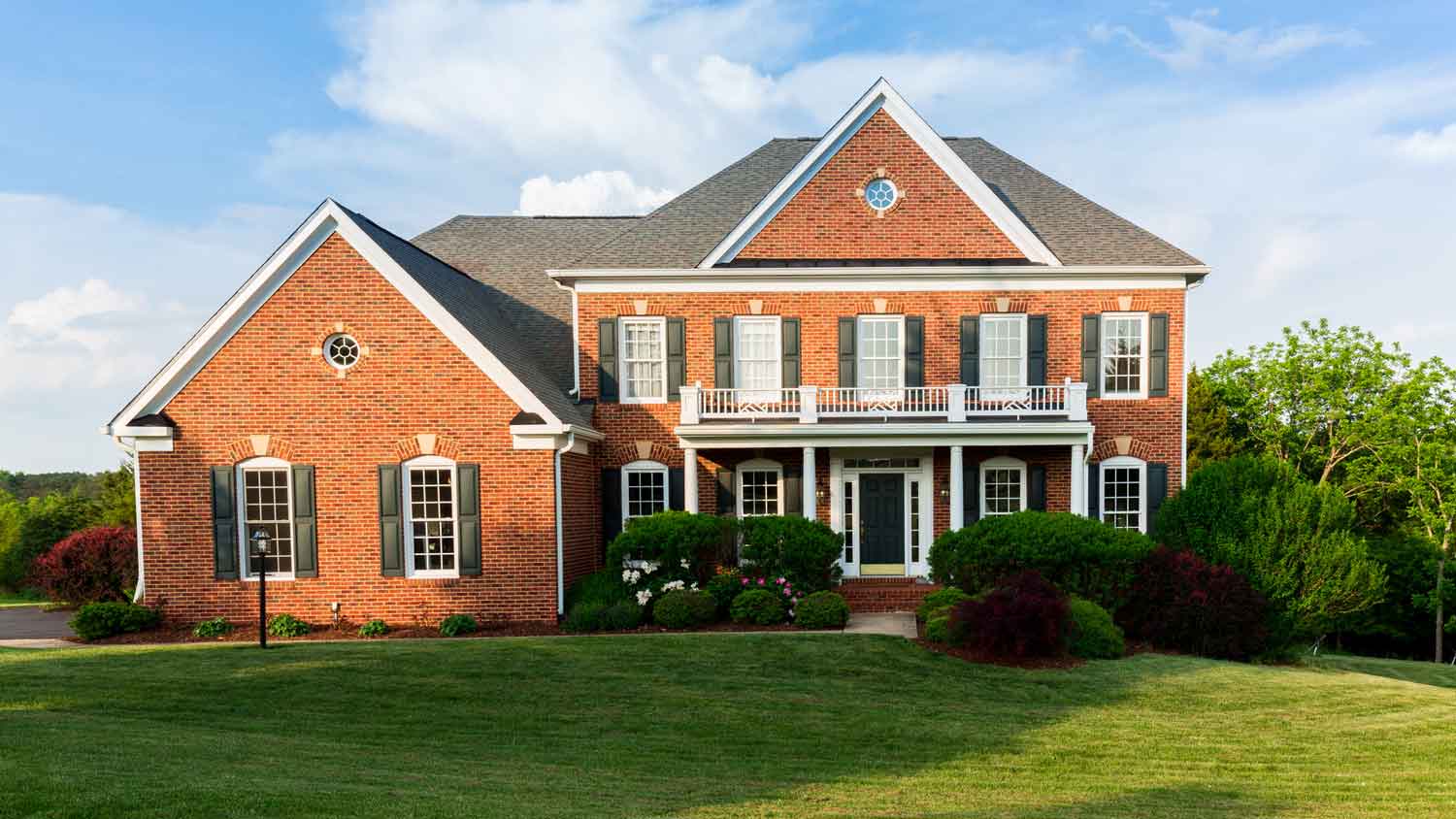
Brick and stone are durable, low-maintenance materials for siding and walls that offer excellent insulation, aesthetic appeal, and can increase property value.
Yes, brick houses are better insulated, because the bricks slow down the passage of air from the outside to the inside and vice-versa. This helps to stabilize the internal temperature of the home. When combined with proper residential insulation, brick houses are more efficient and better insulated than other types.
Yes, limewash on brick can accumulate dust over time. Its porous nature can attract dust particles, especially in environments with high levels of dust or dirt. Additionally, if the limewash surface is left unsealed, it may be more prone to collecting dust. Additionally, incorrectly applied limewash will generate dust. Causes include applying it too thickly instead of thin layers and not allowing enough drying time between layers. Regular maintenance, such as gentle cleaning or dusting, can help mitigate dusty issues.
The Raeford, NC homeowners’ guide to masonry services
From average costs to expert advice, get all the answers you need to get your job done.
Need to repoint brick in your home to make your home look fresh and new? Use this guide to repointing brick cost to price out your project before starting.
Door or window lintel replacement costs $400 on average, but there are ways you can save. On the other hand, complicated work will increase costs considerably.
When it comes to masonry versus concrete, it can be easy to confuse the two. Use this guide to learn about the differences in appearance, strength, and more.
Discover the wide variety of masonry materials for your next home upgrade project. Our guide covers the different types of materials to choose from and more.