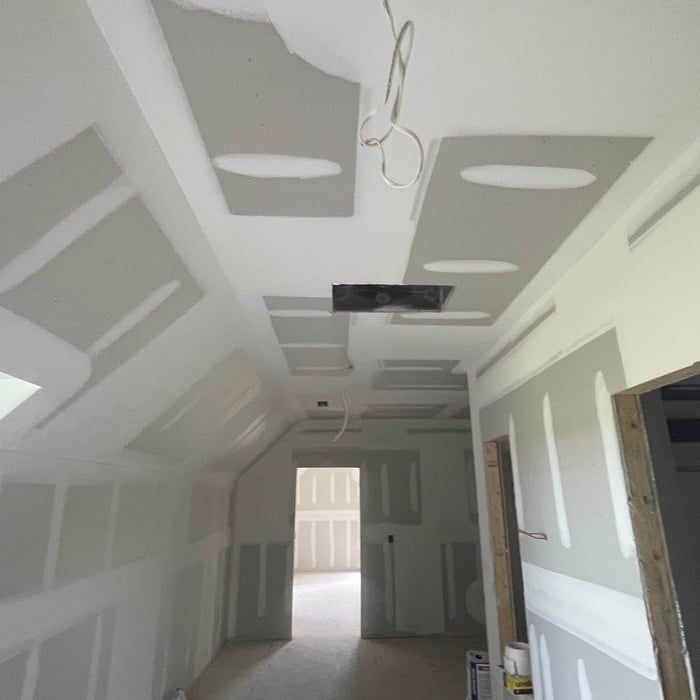



Top-rated drywall pros.

Get matched with top drywall pros in Princeton, NC

Enter your zip and get matched with up to 5 pros

Need a pro for your drywall service project in Princeton, NC?

Select your specific project to find the pro for you.

TRUSTED BY PRINCETON, NC HOMEOWNERS

  • Average homeowner rating star icon4.5
    Average homeowner rating
  • Verified reviews icon42
    Verified drywall services reviews

Find Drywall pros in Princeton

Avatar for Uribe and Sons Painting and Repair
Uribe and Sons Painting and Repair
5.0(
23
)

Serving Princeton, NC and surrounding areas

Approved

In business since 2016

Free estimates

Credit card accepted

"I contacted Diego to assist with hanging window blinds in a 2-story great room. The ceiling height is 18 feet. Though the requested project wasnâ t something he typically does, he was willing to help me without hesitation. He brought all the necessary equipment . I am very pleased with his service."
Response time12 hrs
11 neighbors recently requested a quote
Recommended by95%of homeowners
Avatar for Osorios Painting, LLC
Osorios Painting, LLC
5.0(
9
)

Serving Princeton, NC and surrounding areas

Approved

In business since 2016

Free estimates

Emergency services offered

"Hired for small drywall job. Mario was very professional, and prompt. Extremely good job in protecting floors, and overall cleanliness. Came in the day before job and covered all area to be traveled while working. Very fair in price for work done. I would highly recommend him. I look forward to working with him in the future."
interior room
paintin
dining room
room 1
interior room

+113

Response time3 hrs
Response rate92%
Recommended by77%of homeowners
Avatar for Jeremy Williams
Jeremy Williams
5.0(
12
)

Serving Princeton, NC and surrounding areas

Approved

Super Service Award Winner

In business since 2018

Free estimates

Emergency services offered

"My husband and I had been looking for someone to complete a few maintenance repairs around our home (replacing shutters, fix trim along the rooftop, fix siding on the house, replace framework and seals around the garage door and install a ceiling fan). Jeremy Williams did a wonderful job completing all the repairs we needed done. He was very professional and friendly from the initial meeting to the completion of the home repairs. Thank you for all you did for us and we will definitely contact you for our future home repairs."
Response time2 days
Response rate89%
12 neighbors recently requested a quote
...
Showing 1-10 of 194
Drywall questions, answered by experts

Yes, taping inside corners is a critical step in the drywall installation process.  Properly taping inside corners is essential for achieving a professional look, and an installation that resists cracking and maintains its integrity over time. Taping the corners involves the application of a joint compound along the seam where two drywall pieces meet. This process provides reinforcement, conceals the seam, and prevents future gaps or cracks from developing.

Brick and stucco are a lot more different. You must use picture hanging clips designed for brick walls, or use a plaster rail system with adjustable hooks. Any other type of hanging hardware will cause damage to the bricks behind. You won’t be able to really use nails, either, because they’re not strong enough to go into the bricks.

Plaster provides a durable, soundproof, and moisture-resistant finish compared to drywall.

The time it takes for thinset to dry is determined by your room’s ambient temperature and humidity levels. Assuming the average humidity level is around 40% with an average temperature of 70 degrees Fahrenheit, thinset can dry within 48 hours. Lower temperatures and higher humidity can extend the curing process beyond 72 hours, while high heat and zero humidity can shorten the curing process. However, thinset can crack if it dries too fast.

Plastering and skimming are two different techniques for finishing walls. Plastering involves applying a thick layer of a plaster mixture—typically containing gypsum, lime, cement, sand, and water—to create a new surface. This process often requires multiple coats and is used for repairing significant damage or creating decorative textures. Skimming, on the other hand, is a technique that involves applying a thin layer of drywall compound or joint compound over an existing surface to smooth it out, covering minor imperfections, small cracks, or uneven textures for a polished look. Plastering is generally more costly and labor-intensive than skimming. Although some people use the terms interchangeably, they refer to different processes and materials.
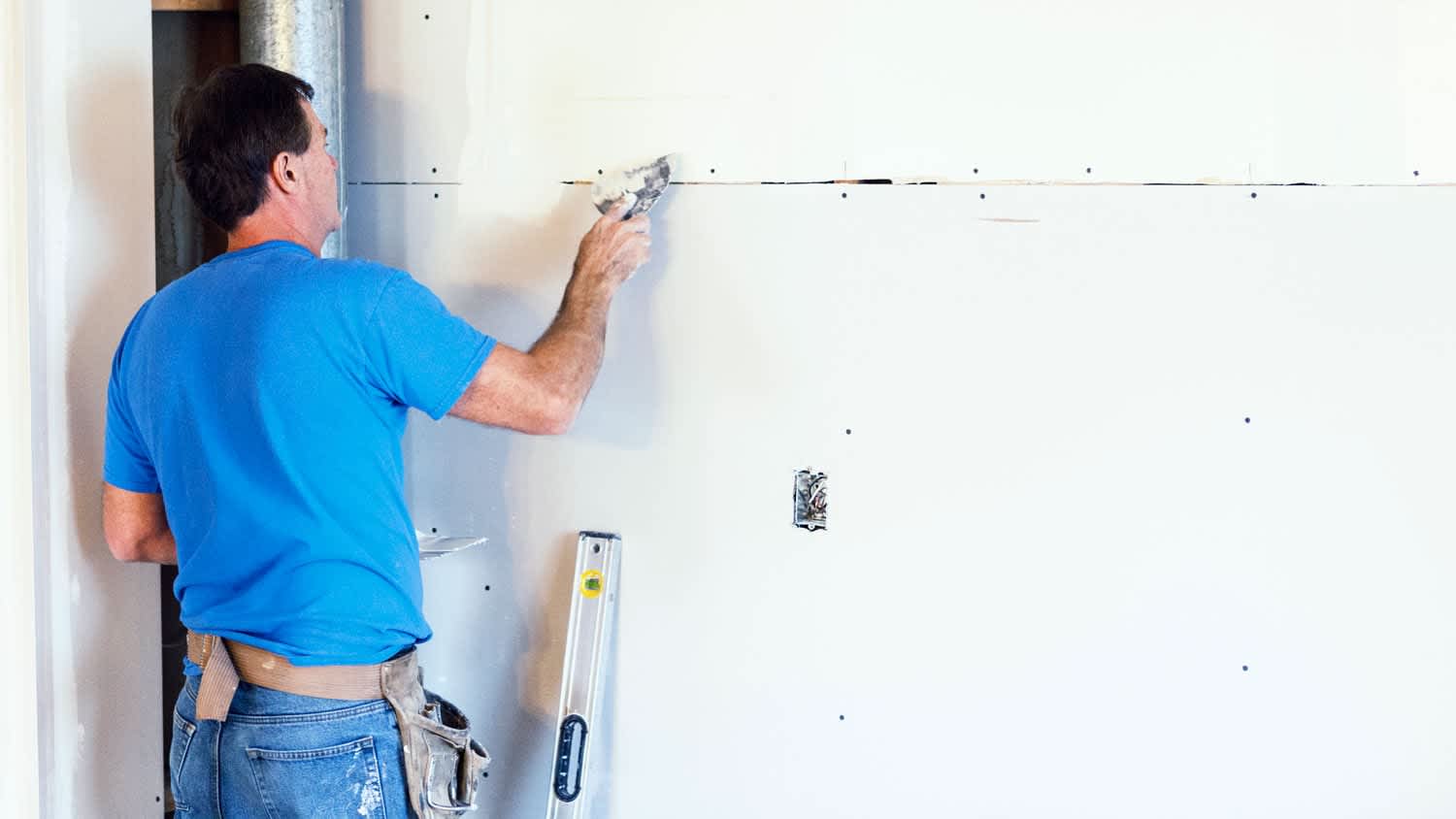
The Princeton, NC homeowners’ guide to drywall services

From average costs to expert advice, get all the answers you need to get your job done.