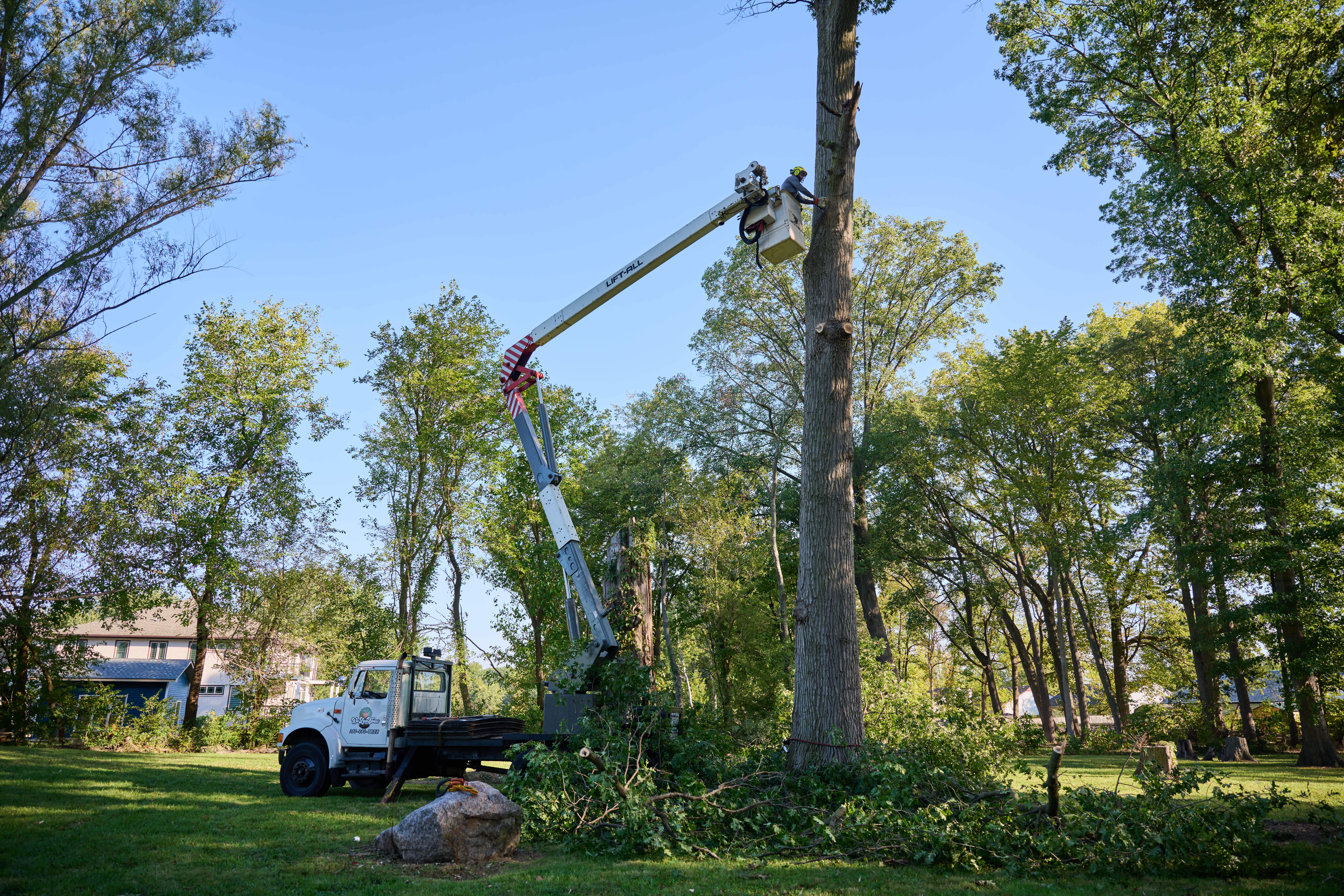


Top-rated tree service pros.

Get matched with top tree service pros in Princeton, NC

Enter your zip and get matched with up to 5 pros

Need a pro for your tree service project in Princeton, NC?

Select your specific project to find the pro for you.

TRUSTED BY PRINCETON, NC HOMEOWNERS

  • Average homeowner rating star icon4.5
    Average homeowner rating
  • Verified reviews icon245
    Verified tree services reviews

Find Tree service pros in Princeton

Avatar for DC Tree Cutting and Land Service
DC Tree Cutting and Land Service
5.0(
5
)
Tree Removal - For Business

Serving Princeton, NC and surrounding areas

Approved

In business since 2018

Free estimates

Emergency services offered

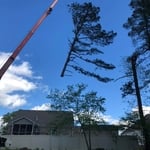
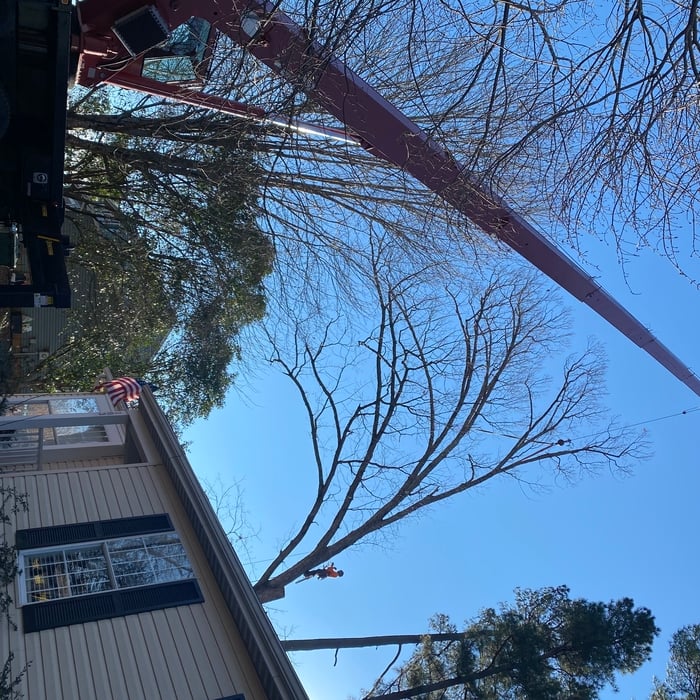
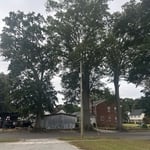
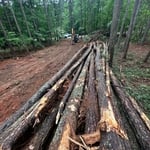
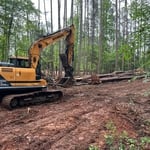
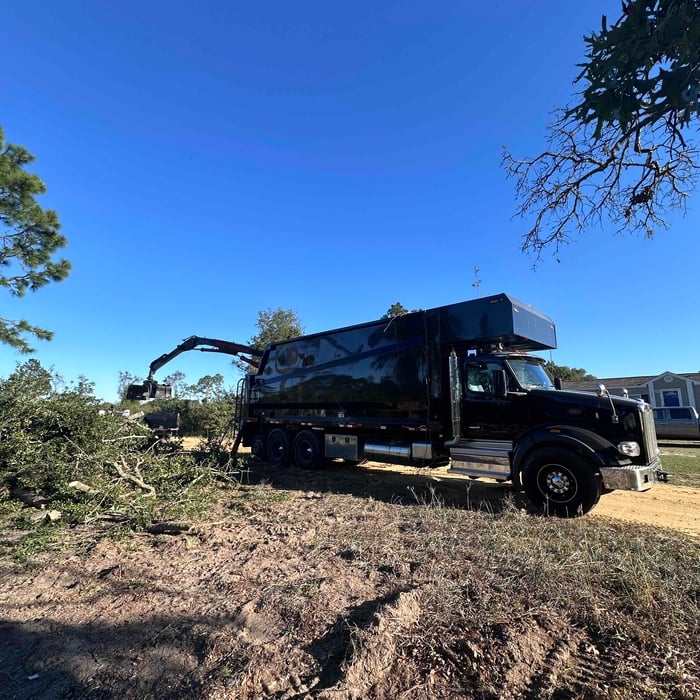
With over 10 years of experience in the tree service industry, we are the experts you need to take care of your property. We large tree removal, land clearing, stump grinding and inert debris disposal. \n We will treat your home as we would treat our own. Give DC Tree Cutting a call today, we look forward to working with you!

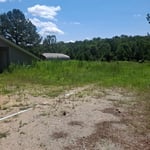
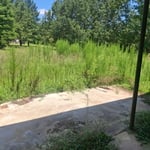
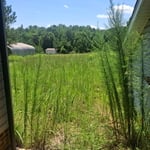
Before tree removal
Lot clearing
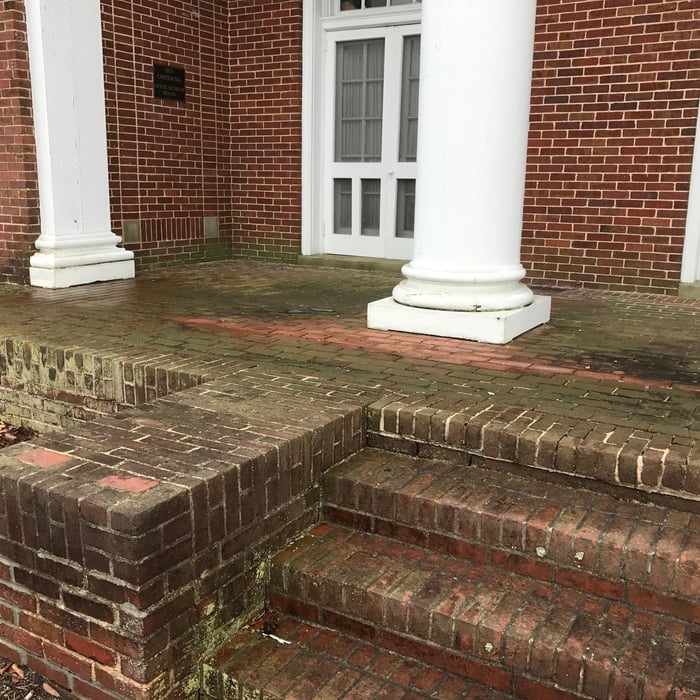
Land Clearing
Grapple truck pickup

+2

Response time1 day
Response rate100%
Avatar for Greener Lawns
Greener Lawns
5.0(
7
)
Trees & Shrubs - Treat, Protect and Maintain

Serving Princeton, NC and surrounding areas

Approved

In business since 2025

Free estimates

Credit card accepted

"Does real good work. I think he put more chemicals down than my previous lawn man getting a good coverage to my lawn. I would recommend him to friends and family for his services."
Green Lawn
Response time2 days
29 neighbors recently requested a quote
...
Showing 1-10 of 105
Tree Service questions, answered by experts

The best way is to start controlling tree height long before it grows too large, via careful pruning through the years. But that’s not always possible. If a tree has become too high or too large, use selective pruning to remove the most troublesome branches, one by one, without topping the tree. Gently shaping a tree like this can, over time, correct problems. You can also find growth inhibitors to spray on a tree to stop it from growing too rapidly, but use these sparingly if at all.

If you don’t cut down a dead, dying, or diseased tree, it can become a nesting place for pests like mosquitos, bees, beetles, wasps, fly larvae, and more. Some pests will live in the tree, while others will feed off the decaying wood. Unhealthy trees are also more likely to fall over, potentially injuring people and causing damage to your property.

It depends on where you live—but in most areas, leaves begin falling in September and continue falling until January or February. Warmer regions, such as Southern states, may see leaves fall a bit later in the calendar year. It also depends on the type of trees in your yard and their maturity. 

The best time to transplant a tree is when it is dormant. For many trees, this means either in the fall after the leaves have dropped (around October or November) or in early spring before new growth begins (around March). The ideal timing can depend on the type of tree. Deciduous trees do well when moved in early spring or fall, while evergreens are best transplanted in early spring or late summer. For example, pine trees are best moved in early fall, but maples prefer late fall. Avoid transplanting in winter, as the frozen or hard, cold soil poses a significant risk to the roots and prevents the tree from acclimating properly.

Transplanting a palm tree is a similar process except for a couple of important differences. First, their root ball doesn’t need to be as large as a “true” tree, which makes them a bit easier to dig up and move around. Second, they struggle more with taking root and staying upright in a new location, so it’s important to give them extra support when staking. 

The Princeton, NC homeowners’ guide to tree services

From average costs to expert advice, get all the answers you need to get your job done.