


Top-rated drywall pros.

Get matched with top drywall pros in Polkton, NC

Enter your zip and get matched with up to 5 pros

Need a pro for your drywall service project in Polkton, NC?

Select your specific project to find the pro for you.

Find Drywall pros in Polkton

M&D Property Solutions
4.5(
23
)
Drywall - RepairDrywall - Repair - For Business

Serving Polkton, NC and surrounding areas

Approved

In business since 2017

Emergency services offered

Warranties offered

"It has worked out so well for me and my family. And yeah, please do it all day. Please let me know if I can help. Please let me know when I get home, and I will be home in the next few days. Please let me know when I can get you. Please let me know when I get back. Please let me know if I need anything else. Please let me know if I can get you a text or text me or text or call me when I can."
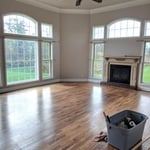
Master bedroom
Master bedroom
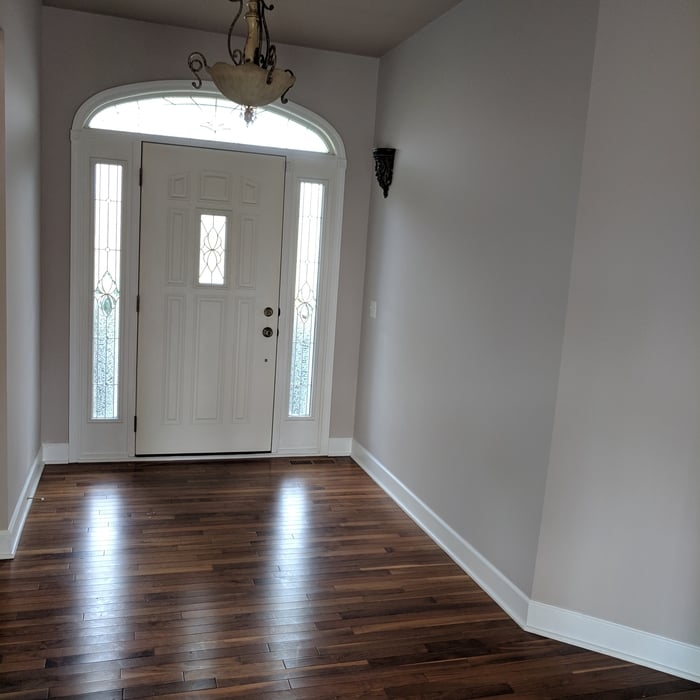
Front hall
Living area
Entry

+10

Response time1 day
Recommended by100%of homeowners
Leo painting
New to Angi
Drywall - InstallDrywall - Repair

Serving Polkton, NC and surrounding areas

Approved

Free estimates

Warranties offered

Small jobs welcome

Welcome\n\nMy name is Leo and I specialize in painting jobs for homes and businesses\n\n✨services I offer:\n\n•Interior and exterior painting\n\n•Room remodeling\n\n•Repair and preparation of walls\n\n•Maintenance and improvements for the home\n\n💯my commitment is to provide quality work with responsibility, punctuality and attention to every detail so that each project exceeds the expectations of my clients\n\n📍I attend with pleasure and make quotes without commitment\n\n📞Contact me and together we will make the remodeling you are looking for a reality!

Avatar for Gidawe Drywall LLC
Gidawe Drywall LLC
5.0(
35
)
Drywall - InstallDrywall - Install - For BusinessDrywall - Repair+1 more

Serving Polkton, NC and surrounding areas

In business since 2003

Free estimates

Emergency services offered

"Gidawe Drywall was very responsive to the request for estimate. Work began the following week and was estimated to take two days to complete. Everything was completed to my satisfaction. The cleanup was spotless. All floors used were covered with plastic sheeting. The work was efficient and I was kept informed of the progress."
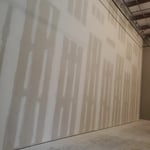
Additional Photos
Additional Photos
Additional Photos
Additional Photos
Additional Photos

+77

Recommended by100%of homeowners
...
Showing 1-10 of 110
Drywall questions, answered by experts

Yes, small, superficial cracks are normal as homes settle. Older homes have a higher chance of showing signs of settling through hairline cracks from temperature changes, moisture changes, and soil shifting. However, larger cracks, or discolored cracks from water damage, may signify a bigger problem that requires reparations and preventative measures.

Although they have similar applications, spackle and joint compound are not the same. Their primary differences lie in their composition, consistency, and ideal use cases.

Spackle is composed of gypsum and binding agents, making it thicker than joint compound. It dries quickly and is easy to sand, which makes it ideal for small wall repair projects like filling nail holes or patching minor damage.

Joint compound, also known as drywall mud, consists of limestone and gypsum. It is primarily used for large-scale projects, such as taping and finishing the seams on newly installed drywall. It tends to shrink more than spackle and can be more difficult to spread.

While both products can be used to fill small depressions and cracks, spackle cannot replace joint compound for taping and mudding new drywall. Conversely, you can often use joint compound for small patching jobs typically done with spackle.

If you only have tiny holes in your drywall (for example, dents or nail marks), you probably won’t need a patch kit. Instead, you can plug the hole with a small amount of spackle. Once the spackle dries, you can sand the area and paint over it—just like you would in the steps outlined above.

While not always necessary, you can glue a drywall ceiling in addition to using screws or nails. Drywall is typically secured to ceiling joists with fasteners, which is often sufficient. However, adding construction adhesive can offer benefits like preventing sagging, bridging gaps, and reducing air leaks for better energy efficiency. It may also be used for specific acoustic or insulation needs. On the other hand, many professionals advise against it because properly placed screws make the drywall structural, glue doesn't add strength, and it makes future repairs or replacements significantly more difficult. Ultimately, it's best to follow local building codes and project-specific requirements to decide if adhesive is right for your ceiling.

You can put drywall mud over paint to even out the surface or entirely resurface it. Sand the surface with 280-grit sandpaper, vacuum the debris and dust with a shop vac, and clean it with a slightly damp cloth. Allow the surface to dry. Apply drywall primer, especially if you’re skim-coating an entire wall. Apply the right type of drywall mud over the surface and smooth it with a trowel. Allow the layer to cure fully, then sand it before applying another layer or painting it.

The Polkton, NC homeowners’ guide to drywall services

From average costs to expert advice, get all the answers you need to get your job done.