



Top-rated insulation pros.

Get matched with top insulation pros in Pink Hill, NC

Enter your zip and get matched with up to 5 pros

Need a pro for your insulation service project in Pink Hill, NC?

Select your specific project to find the pro for you.

Find Insulation pros in Pink Hill

Avatar for All About Energy Solutions, LLC
All About Energy Solutions, LLC
4.3(
108
)
Blown-In Insulation - Install or UpgradeSpray Foam Insulation - InstallBatt, Rolled or Reflective Insulation - Install or Upgrade+2 more

Serving Pink Hill, NC and surrounding areas

Approved

In business since 2010

Free estimates

Emergency services offered

"The estimator/salesperson Jeremy was excellent. On time, knowledgeable, understood the issues we had and spent a lot of time to recommend the best solution. The install crew of Shawn H and Dustin were prompt, professional and efficient. I would recommend this company and will use them again for my insulation needs."
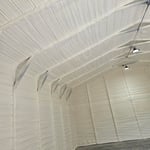
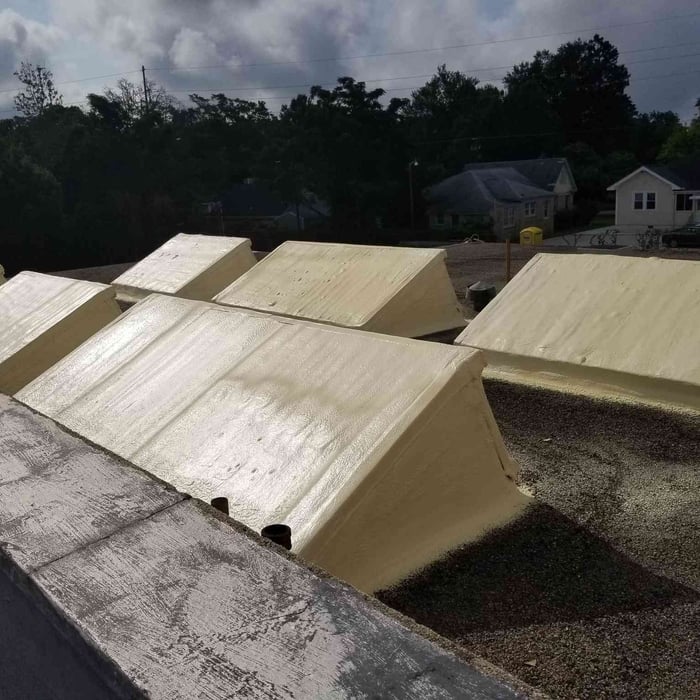
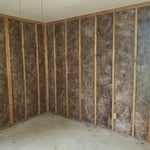
Radiant Barrier Insulation in Southport, NC
Insulating a FROG with Radiant Barrier
Energy Efficient LED Light Bulbs
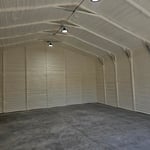
Additional Photos
Additional Photos

+16

16 neighbors recently requested a quote
Recommended by87%of homeowners
Avatar for Consolidated Roofing Systems, Inc.
Consolidated Roofing Systems, Inc.
4.7(
127
)
Batt, Rolled or Reflective Insulation - Install or UpgradeBlown-In Insulation - Install or UpgradeInjection Insulation - Install+2 more

Serving Pink Hill, NC and surrounding areas

In business since 1979

Free estimates

Credit card accepted

"Consolidated Roofing Systems is simply the best. From Fred and Billy and the entire crew, customer service really impressed me. I haven't seen that kind of customer service for a very long time. The workmanship is superb from start to finish. The product is definitely top of the line. I'm so glad I found this company and would certainly recommend them to anyone. Thanks for a great job!!"
Burns
Piner
Vaughn
Burns
Piner

+58

Recommended by94%of homeowners
Showing 1-10 of 24
Insulation questions, answered by experts

While carpet over carpet may provide some additional insulation and soundproofing benefits, it's not as effective as other methods. Layering carpets can add a modest buffer against noise and temperature fluctuations, but it's limited compared to installing thicker carpet padding or using specialized soundproofing materials. For optimal floor insulation and soundproofing, consider alternative solutions tailored to your specific needs and budget, such as adding additional padding or soundproofing underlayments beneath the carpet.

As long as a licensed professional installs your gas lines, you don’t have to do anything extra to prepare for cold weather. If there are pipes that require a wrap, your installer should have done it for you already. If you want to be absolutely sure your gas system is good to go for winter, the best option is to schedule a gas line inspection.

Spray foam insulation can last between 80 and 100 years, depending on the type. Closed-cell spray foam is more durable, while open-cell foam is more susceptible to moisture damage and deterioration. It's important to consult a professional installer to understand which type of foam will be used and its specific longevity. Additionally, be aware that some spray foams can damage plastic piping, so if you have PVC or CPVC pipes, discuss this with your installer.

The amount and type of insulation your home needs depends on your location, climate, and the specific installation area (attic, walls, or floors). Your local building code will typically determine the minimum required R-value. For specific recommendations, Energy Star suggests the following R-values: homes in the Southern U.S. should have R30 to R60 in attics and R13 to R25 in floors and walls; homes in moderate climates need R38 to R60 in attics and R25 to R30 in floors and walls; and homes in northern states require R49 to R60 in attics and R25 to R30 in floors and walls.

You should not use spray foam insulation in several specific areas. Avoid applying it in spaces exposed to high temperatures, such as near electrical boxes or recessed lighting, unless the foam is specifically rated for such use. Applying foam near electrical boxes can damage the wiring, and using it too close to lightboxes or recessed lights creates a potential fire hazard. Additionally, do not use spray foam in areas prone to shifting or movement, as this can lead to cracks and gaps in the insulation. Finally, open-cell foam is unsuitable for use below ground or in areas exposed to moisture because it can absorb water, which compromises its insulating effectiveness.

The Pink Hill, NC homeowners’ guide to insulation services

From average costs to expert advice, get all the answers you need to get your job done.