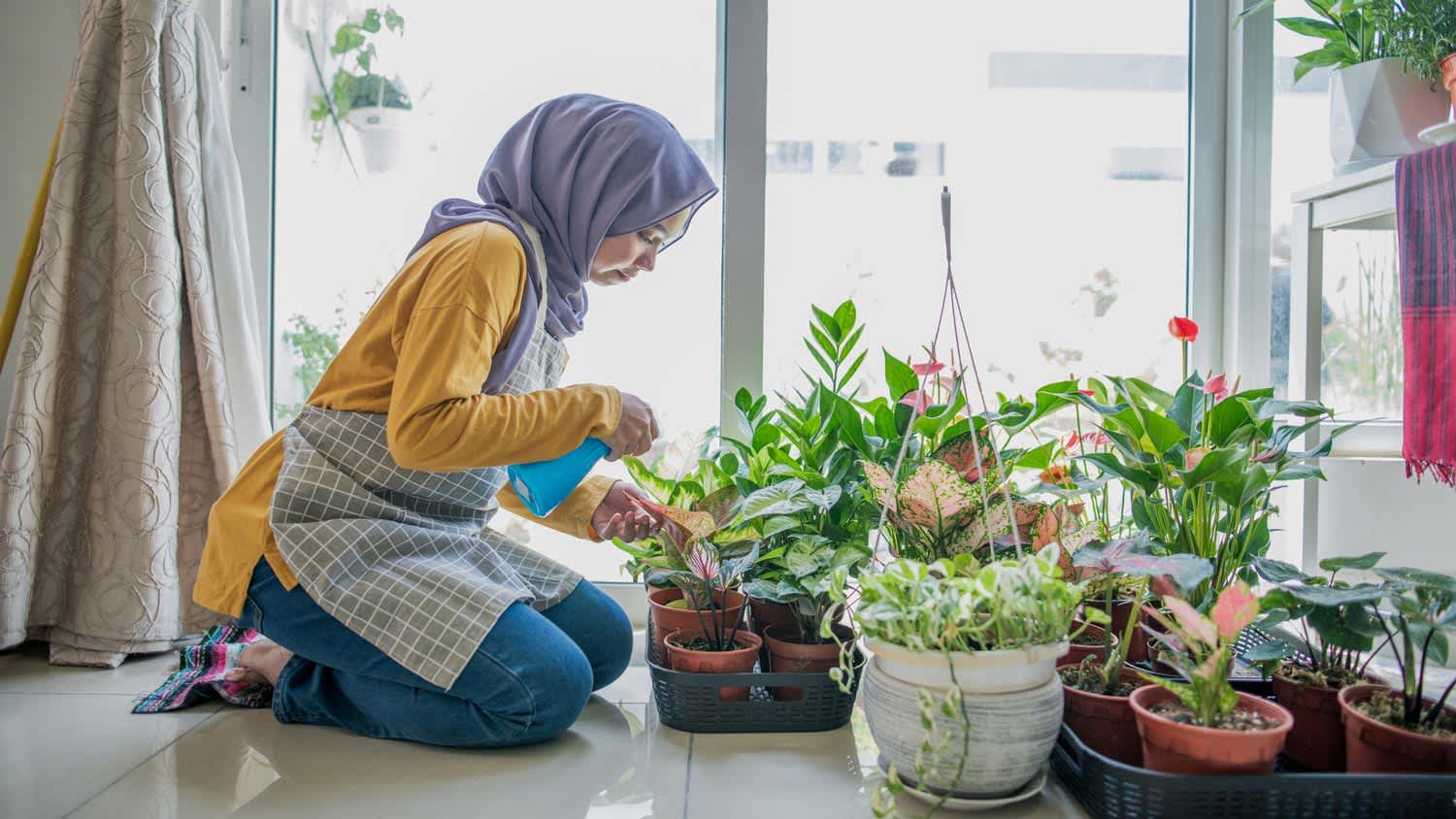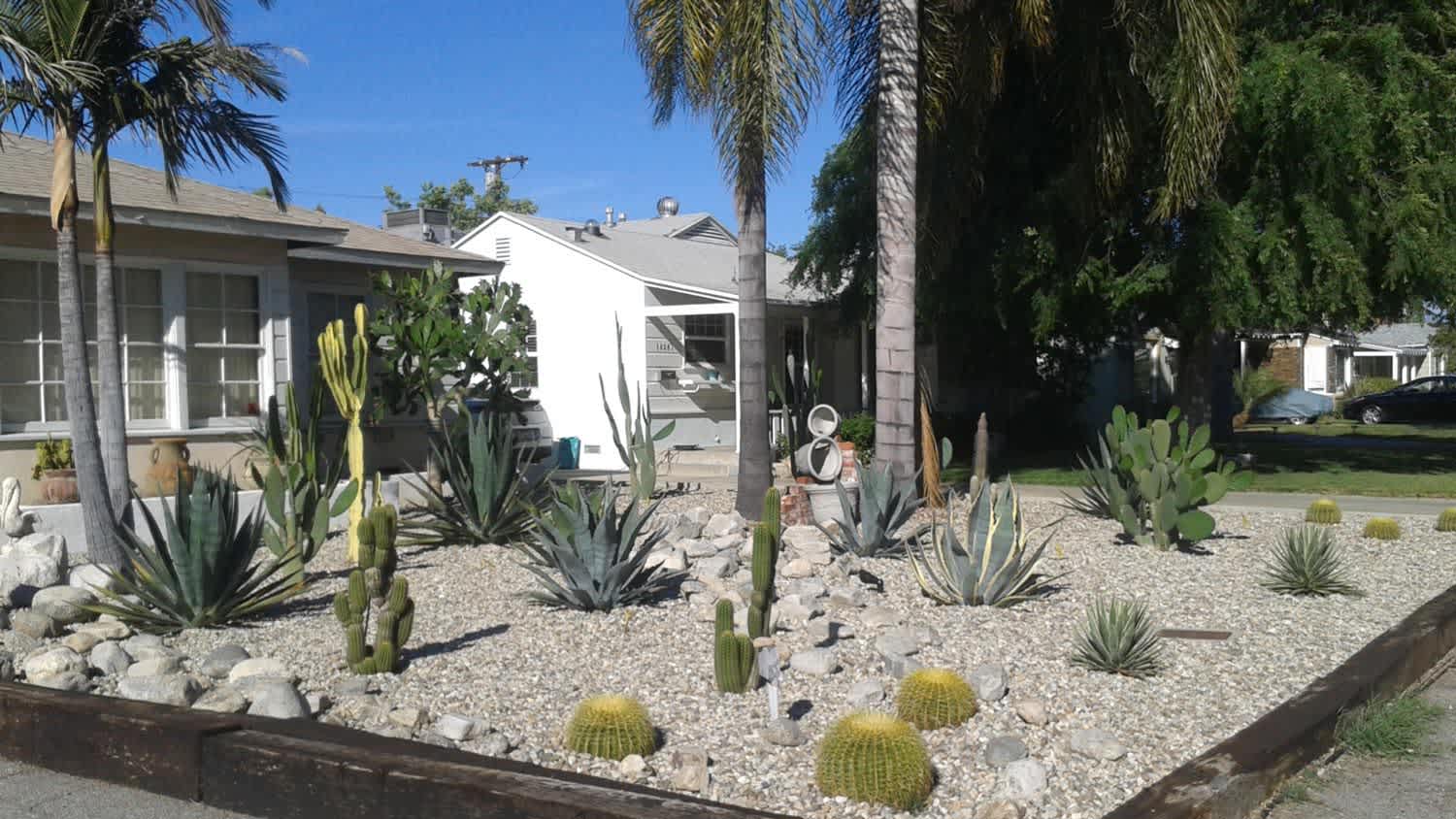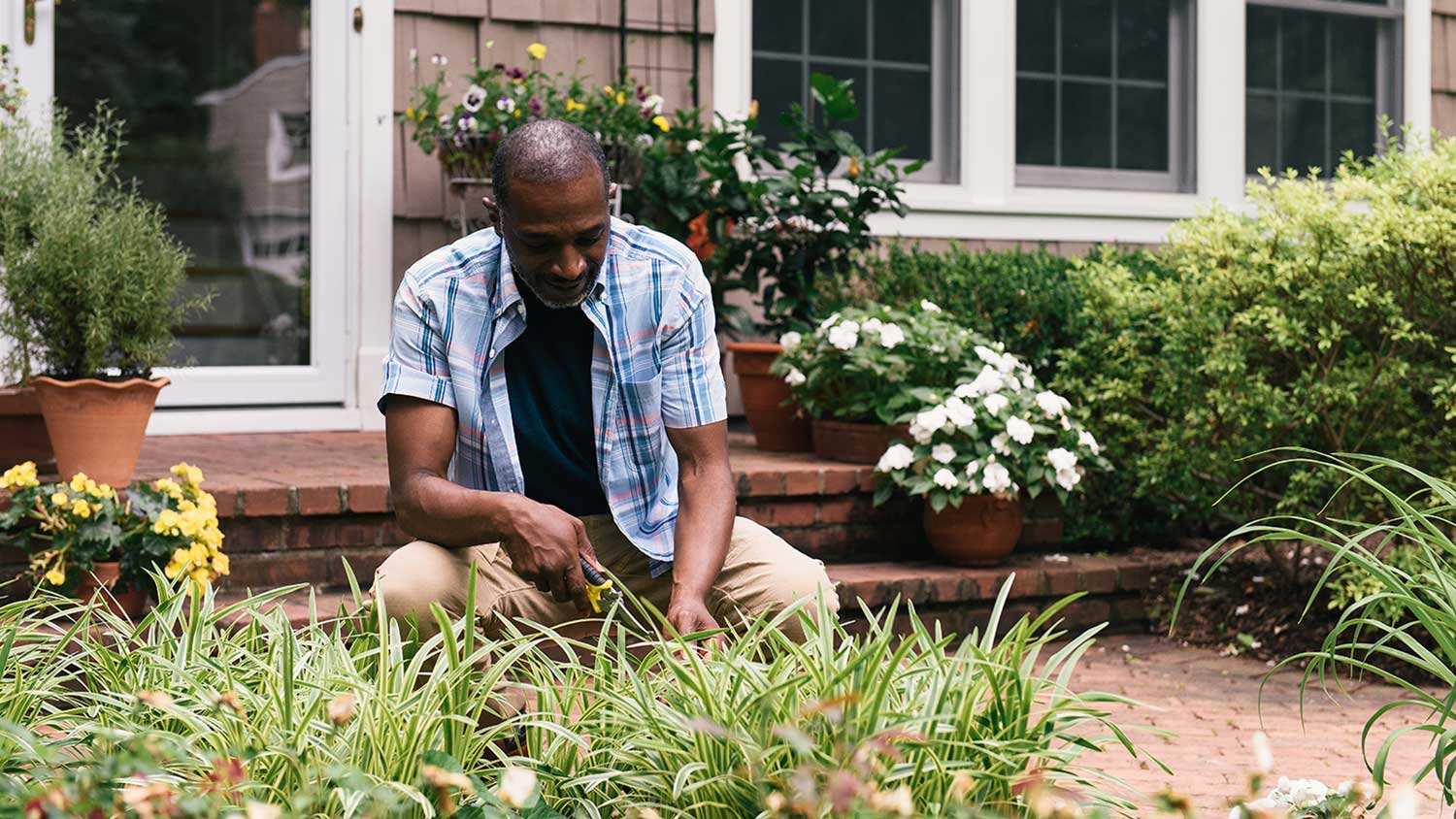





Top-rated plant watering pros.

Get matched with top plant watering pros in Pinebluff, NC

Enter your zip and get matched with up to 5 pros

Need a pro for your plant watering project in Pinebluff, NC?

Select your specific project to find the pro for you.

TRUSTED BY PINEBLUFF, NC HOMEOWNERS

  • Average homeowner rating star icon4.5
    Average homeowner rating
  • Verified reviews icon215
    Verified plant watering services reviews

Find Plant watering pros in Pinebluff

No results for Plant watering pro in

Try adjusting your search criteria.
Plant Watering questions, answered by experts

There are some instances when you can use extra drywall in your garden. Ideally, unused scraps of new drywall are best for amending soil without the concern of additional chemicals or mold. However, drywall with paint, mold, or potential asbestos requires specialized disposal by a professional and should be kept out of your garden.

A post-drywall inspection could uncover many problems that weren’t present during the pre-drywall inspection, including insufficient insulation, missing weather stripping, improperly installed plumbing and lighting fixtures, flooring damage, drywall damage, plumbing leaks, aesthetic issues, and more. Structural problems, which are often expensive to fix and are common reasons to walk away after a home inspection, are easier to see before the drywall goes up, but a post-drywall inspection may highlight minor issues with house settling and foundation problems.

Wall anchors are suitable for drywall and plaster walls, which are common in most homes. However, different wall materials may require specialized anchors. For concrete or masonry walls, you'd typically use concrete anchors. When dealing with other wall types, such as brick or tile, specific anchors designed for those materials may be necessary. Always consult with a hardware specialist or check the manufacturer's recommendations to ensure you select the appropriate anchors for your specific wall type.

Wet-sanding and dry-sanding each have pros and cons. Dry-sanding is less messy, so it’s a good option if you’re trying to minimize dust (for example, if you’re sanding an occupied home or working with particularly dry or dusty drywall mud). However, dry-sanding is quicker because you don’t have to keep rinsing a sponge or wait for it to dry before painting.

The amount of drywall you need for a 1,000-square-foot basement depends on the ceiling height, angles, number of doors and windows, and more. To find the wall square footage, multiply the width and height of each wall, minus any gaps from windows or doors, and add the totals together. You’ll also need enough drywood nails or screws to install the drywall correctly.

The Pinebluff, NC homeowners’ guide to plant watering services

From average costs to expert advice, get all the answers you need to get your job done.