



Top-rated generator install pros.

Get matched with top generator install pros in Pfafftown, NC

Enter your zip and get matched with up to 5 pros

Need a pro for your generator install project in Pfafftown, NC?

Select your specific project to find the pro for you.

Find Generator install pros in Pfafftown

Avatar for Cardinal Electric & Communications Inc
Cardinal Electric & Communications Inc
4.9(
62
)
Fixed Generator - InstallFixed Generator - RepairGenerator - Install+4 more

Serving Pfafftown, NC and surrounding areas

Approved

Super Service Award Winner

In business since 2015

Free estimates

Emergency services offered

"The owner communicated with me quickly and sent two techs out to install my ring video doorbell and I’m happy with the work. I will hire them again soon to install a ceiling light fixture and some cafe patio lights."
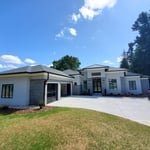
Rockingham w/ Guest Home
DD w/ DriveThru
Northern Shores Pt
Primary Bath
Big or small we do it all

+147

Response time3 days
1 neighbors recently requested a quote
Recommended by88%of homeowners
Avatar for Hawley Air Heating, Cooling, Electrical
Hawley Air Heating, Cooling, Electrical
5.0(
1
)
Fixed Generator - Install

Serving Pfafftown, NC and surrounding areas

Approved

In business since 2015

Free estimates

Warranties offered

Hawley Air is your full-service residential and commercial heating and air conditioning service company that also specializes in air quality products and services.\n\nWe are fully licensed, bonded, and insured to provide our Piedmont Triad customers with services relating to furnaces, heating, and air conditioning. Our heating and air conditioning service company offers sales, installation, and repair for any number of heating systems, cooling systems, air quality units, and parts.

Gas Furnace Install
Heat Pump Installation
AC Installation
Response time5 hrs
5 neighbors recently requested a quote
...
Showing 1-10 of 55
Generator Install questions, answered by experts

Homeowners can often access federal tax credits, such as the Investment Tax Credit (ITC), which covers a percentage of installation costs. Many states and utilities offer additional rebates, grants, or performance-based incentives. These programs can significantly lower your upfront investment. Check the Database of State Incentives for Renewables and Efficiency (DSIRE) or contact your local energy office for current offers.

You can expect a diesel generator to last for up to 30,000 hours of use, which works out to 20 to 25 years with the proper maintenance, of course. That depends on how much you use it, so a diesel generator used for emergencies a couple of times a year will last a lot longer than a generator that takes over for a faulty electrical grid every month for a day or two. 

To reduce AC startup power for a whole-house generator, install a soft start kit or hard start capacitor, which lowers the initial surge by gradually ramping up the compressor. Using a smart load manager can also help by staggering startup loads, preventing a system overload and future costly repairs.

To determine the right size generator for your house, you should calculate the total wattage of the appliances and devices you want to power during an outage. List all essential items, note their start-up wattages, and add them together.

Here are some typical wattage requirements for common appliances:

  • Refrigerator: 600 watts

  • Large dehumidifier: 700 watts

  • Large window air conditioner: 1,400 watts

  • Water heater: 3,000 to 4,500 watts

  • Electric furnace: 5,000 to 25,000 watts

A 7,500-watt generator might be sufficient for essentials like a refrigerator, freezer, well pump, and lighting circuits. However, for high-demand items like a water heater or furnace, a whole-home generator is a better choice. A portable generator may be enough if you only need to power a few critical items.

While home square footage can offer a rough estimate, it is not always a reliable indicator. For reference, here are some typical generator sizes based on square footage:

  • 1,000 sq ft: 6–9 kW

  • 1,500 sq ft: 7–10 kW

  • 2,000 sq ft: 10–14 kW

  • 2,500 sq ft: 12–16 kW

  • 3,000 sq ft: 16–20 kW+

For the most accurate sizing, consult a professional who can calculate your home's peak and average power consumption and recommend the optimal generator.

Sizing a generator is a careful process that requires calculating the electrical load of your entire house. You have to take into account every device you want to use and their wattage requirements, plus the wattage needed to start them, and look for a generator that can safely run all that at around 80% capacity.

In more practical terms, a small home can run on a 10,000-watt generator (and if you only want to power a few key appliances, much less than that). A mid-sized home may need something between 15,000 and 22,000 watts. Larger homes require 25,000 watts or more. 

The Pfafftown, NC homeowners’ guide to generator installs

From average costs to expert advice, get all the answers you need to get your job done.