


Top-rated arborists.

Get matched with top arborists in Pembroke, NC

Enter your zip and get matched with up to 5 pros

Need a pro for your arboricultural service project in Pembroke, NC?

Select your specific project to find the pro for you.

TRUSTED BY PEMBROKE, NC HOMEOWNERS

  • Average homeowner rating star icon4.7
    Average homeowner rating
  • Verified reviews icon92
    Verified arboricultural services reviews

Find Arborists in Pembroke

Avatar for 4A Dirtwork
4A Dirtwork
New to Angi
Tree RemovalTree Stump - RemoveTree Trimming

Serving Pembroke, NC and surrounding areas

Approved

Free estimates

Emergency services offered

Small jobs welcome

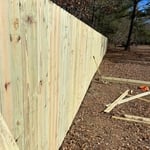
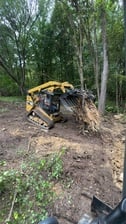
I’m Hunter Stephens owner of 4A Dirtworks the name came from my 4 daughters all their names begin with A. I do every job like it is my own because every job is a reflection of me. Me and my guys are professional and respectful and always aim to please our customers.

House demo
House demo
Ccs handyman
New to Angi
Tree RemovalTree Stump - RemoveTree Trimming

Serving Pembroke, NC and surrounding areas

Approved

Free estimates

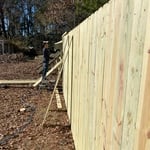
My names Cayden Shadoan, I’m 23 years old. I have a beautiful wife and daughter. I have a full time job as a pipe welder in Sumter South Carolina. I’m on here just looking to pick up a couple extra jobs here and there in hopes of starting my own business one day to be able to stay home with my family more. I can do pretty much anything that needs done in or around your house. Specializing in building fences or repairing fences, any kind of piping jobs, or any welding. Thank you for considering me to help you get what you need done. Hope to see you soon.

...
Showing 1-10 of 104
Arborists questions, answered by experts

Completely topping a plum tree is a risky business. Cut too much, and you’ll kill your tree. That said, you do need to trim the top of your tree to encourage bushy growth, maintain your tree’s vase shape, and limit size. 

A plum tree's central leader (or trunk) should never extend more than 3 feet above the highest branch. When you first plant your tree, cut the central leader so it’s 2 to 3 feet tall. As it grows, cut it back 12 to 20 inches until it reaches its desired height. Never prune more than one-third of the new growth.

If an arborist is certified by the International Society of Arboriculture (ISA), the highest level of certification available is ISA Board Certified Master Arborist. According to the ISA, this credential is reserved for arborists “who have reached the pinnacle of their profession.” Check your arborist’s credentials before hiring to confirm their level of training and expertise.

Licensing requirements for arborists, also known as tree surgeons, vary by state and municipality. Many areas require a license, which often involves specialized education and experience. Even if not mandated, it's wise to hire a licensed professional as they tend to have more experience. Beyond licensing, look for certifications from organizations like the International Society of Arboriculture (ISA) or the Tree Care Industry Association (TCIA), as this indicates a higher level of expertise. Certified arborists must typically pass a comprehensive exam. Always confirm that the arborist has a business license and is fully insured to protect yourself from liability. Seeking positive recommendations from local homeowners is also a good step in finding a qualified professional.

If executed correctly your tree should survive after being transplanted to a new spot. However, effective transplanting requires six months, careful root pruning, safe transport to the new location, and replanting in prime soil conditions. You’ll also need an appropriately sized root ball for a complete tree transplant. A good rule of thumb is that, for every inch in diameter, your tree’s root ball needs to be around 11 inches. So a tree with a diameter of six inches needs a root ball of approximately 66 inches.

For trimming trees, your best tool is a pair of pruning shears or loppers. Both options work best for branches that are under 3 inches in diameter. Trimming trees with a larger diameter may require a robust tool like a small chainsaw or a handsaw, so take into account your tree’s diameter when deciding between tools.

The Pembroke, NC homeowners’ guide to arboricultural services

From average costs to expert advice, get all the answers you need to get your job done.