





Top-rated arborists.

Get matched with top arborists in Tar Heel, NC

Enter your zip and get matched with up to 5 pros

Need a pro for your arboricultural service project in Tar Heel, NC?

Select your specific project to find the pro for you.

TRUSTED BY TAR HEEL, NC HOMEOWNERS

  • Average homeowner rating star icon4.6
    Average homeowner rating
  • Verified reviews icon115
    Verified arboricultural services reviews

Find Arborists in Tar Heel

Avatar for 4A Dirtwork
4A Dirtwork
New to Angi
Tree RemovalTree Stump - RemoveTree Trimming

Serving Tar Heel, NC and surrounding areas

Approved

Free estimates

Emergency services offered

Small jobs welcome

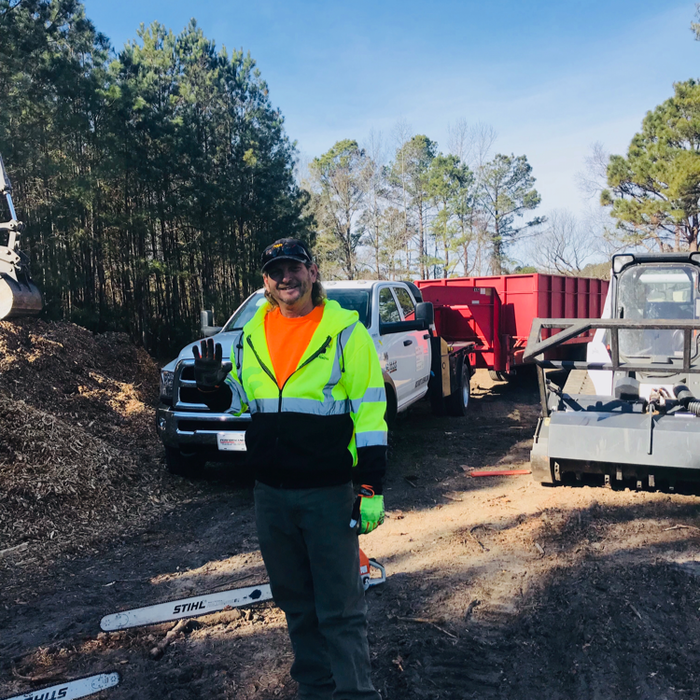
I’m Hunter Stephens owner of 4A Dirtworks the name came from my 4 daughters all their names begin with A. I do every job like it is my own because every job is a reflection of me. Me and my guys are professional and respectful and always aim to please our customers.

House demo
House demo
Christian Alessandra
New to Angi
Tree RemovalTree Stump - RemoveTree Trimming

Serving Tar Heel, NC and surrounding areas

Approved

Free estimates

Emergency services offered

Warranties offered

I’m Christian. I have been working in all or some fields that u have read for 35 years. Born into a family of Masons. I’m a third generation mason in my family. I specialize in hardscapes and landscaping but not limited to any type of masonry work. I have a window screen repair company currently. Moves into the area little less than a year ago. Trying to figure out what I want to do down here in North Carolina. I learned everything I know from doing and watching work side by side with my dad, uncle and my older brother. Anyway I’m available to work. Ready to take care of someone’s project large or small no matter what it is.

2 neighbors recently requested a quote

...
Showing 1-10 of 93
Arborists questions, answered by experts

The lifespan of a bird's nest depends on the species. The building process can take from two days to three weeks. Once built, the nesting period for baby birds can last from two to ten weeks before they leave the nest. While most young birds are ready in two to six weeks, some predatory species may need up to two and a half months. Some species nest four to five times per year, so a nest could remain in use for several months. For specific information about a particular nest's longevity, it is best to consult a wildlife professional.

The costs vary from $250 to $5,000 per tree, depending on the size, complexity of the trimming, and labor.

In most cases, you should not use a pruning seal on trees after trimming. Applying a sealant can interfere with the tree's natural healing process, and it does not guarantee protection from pathogens. Instead of sealing the cut, the best practice is to support the tree's natural recovery by providing it with plenty of water and a dormant-style fertilizer. However, there are exceptions. Pruning seals may be recommended for very vulnerable species, like elm trees, in areas where dangerous diseases such as Dutch elm disease are prevalent. In these specific situations, the protection offered by a sealant can outweigh its downsides. For advice tailored to your situation, especially after cutting large branches, it is best to consult a local tree trimming professional.

Your neighbor is not in a good position to know if your trees are truly dead or pose any kind of danger. That’s why hiring an arborist or tree service expert can be such an important part of the process. If the trees are still alive and don’t pose any threat, you’re in the clear (but you may want to document and photograph everything in case events turn sour down the road).

But if a tree is visibly dead and near the property line, you should remove it to be safe. If a dead tree falls on a neighbor’s property, they may have grounds to sue for negligence. If any branches on trees have died, it’s a good idea to cut them back for similar reasons.

The best time to transplant a tree is when it is dormant. For many trees, this means either in the fall after the leaves have dropped (around October or November) or in early spring before new growth begins (around March). The ideal timing can depend on the type of tree. Deciduous trees do well when moved in early spring or fall, while evergreens are best transplanted in early spring or late summer. For example, pine trees are best moved in early fall, but maples prefer late fall. Avoid transplanting in winter, as the frozen or hard, cold soil poses a significant risk to the roots and prevents the tree from acclimating properly.

The Tar Heel, NC homeowners’ guide to arboricultural services

From average costs to expert advice, get all the answers you need to get your job done.