



Top-rated drywall pros.

Best drywall pros near Glade Valley, NC

Enter your zip and get matched with up to 5 pros

Need a pro for your drywall service project in Glade Valley, NC?

Select your specific project to find the pro for you.

Top-Rated Drywall pros in Glade Valley - Updated Nov 2026

Nicholas Byrd
New to Angi
Drywall - InstallDrywall - Repair

Serving Glade Valley, NC and surrounding areas

Approved

Small jobs welcome

Hello my name is Nick and I'm a "Handyman".\nI have a lot of experience within many fields including but not limited to- concrete, framing, electrical, audio/visual, plumbing, and roofing. \nI'm a very detail oriented worker and will do everything I can to make my work perfect and have a happy customer.\nPlease feel free to reach out about anything and I should be in touch soon.\nThanks.

colton price
New to Angi
Drywall - Repair

Serving Glade Valley, NC and surrounding areas

Approved

Free estimates

Emergency services offered

Warranties offered

Im a hardworking and dependable worker based in Virginia with experience in Commercial & residential construction, hauling, equipment operation, property maintenance, and outdoor labor. I take pride in doing quality work, showing up on time, and treating every job like it’s my own property.\n\nI’m available for jobs throughout the surrounding areas and willing to travel for the right project. My skills include general labor, demolition, hauling, light carpentry, land clearing, drywall work, concrete prep, equipment operation, and property cleanup.\n\nCustomers hire me because I communicate well, work efficiently, and focus on getting the job done right the first time. I’m always willing to take on new challenges and provide reliable service at a fair price.\n

Avatar for Willie B Construction
Willie B Construction
5.0(
6
)
Drywall - InstallDrywall - Repair

Serving Glade Valley, NC and surrounding areas

In business since 2022

Free estimates

Offers commercial services

"We contacted Willy to help us with multiple projects for our house. We are in the process of remodeling an old fixer-upper. Willy and his crews have been doing all of our heavy work for us. We are beyond satisfied with the work he has done. So far, he completed projects such as: new roof, rain gutters, James Hardy siding , exterior painting, new deck, and interior trim work. He will also be remodeling the interior of our house. Willy and all of his men are honest, polite, professional, and very skilled at their trade. We would definitely recommend him to anyone."
Response time2 hrs
...
Showing 1-10 of 71
Drywall FAQs, answered by experts

Yes, you can put paneling over textured walls. Of course, this will come down to personal preference and the type of paneling you want to install. From board-and-batten to shiplap and wainscoting, there are plenty of options to choose from.

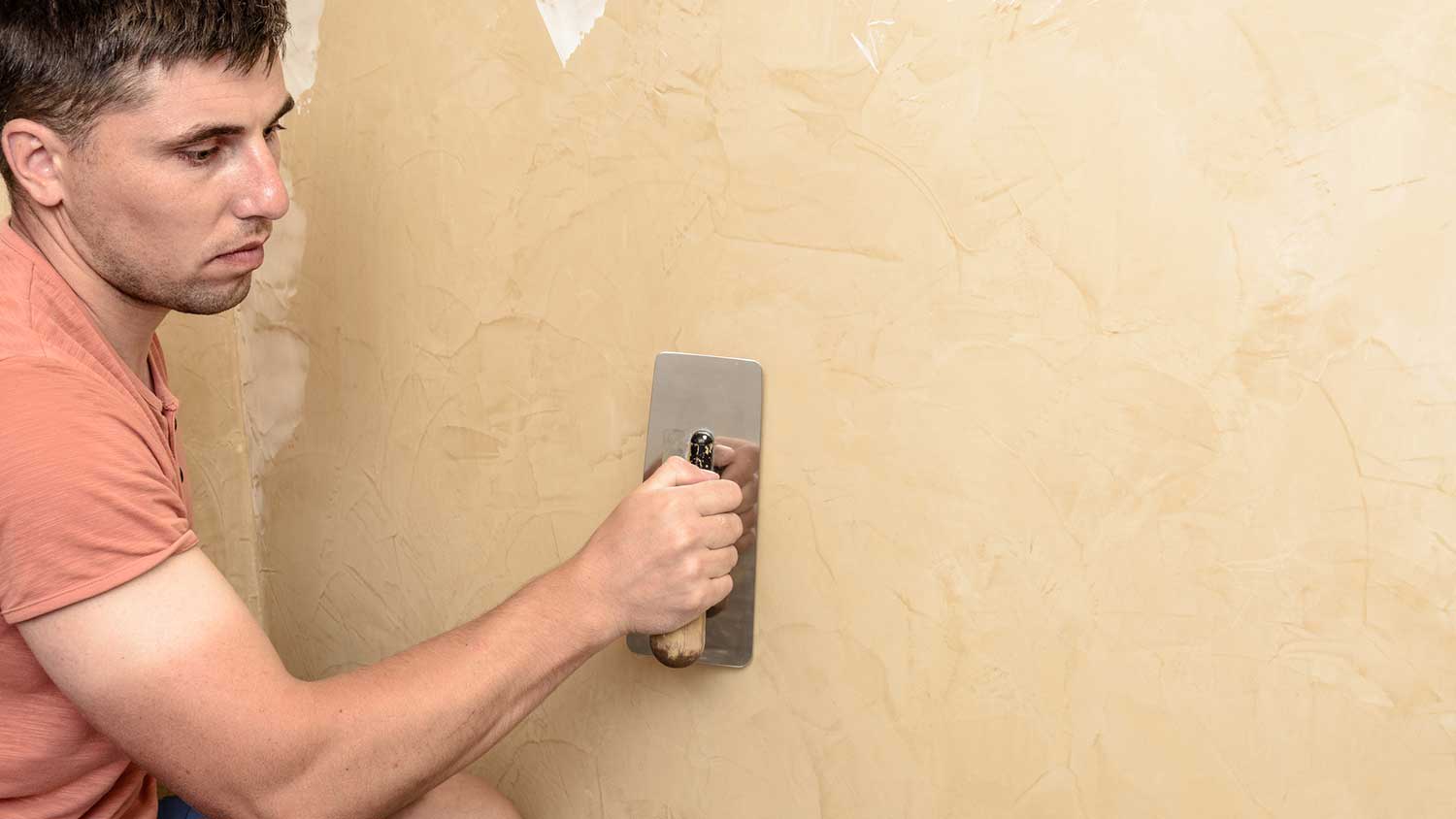
Some textures are easier than others to DIY, but the short answer is yes, you can absolutely texture walls yourself. You’ll need certain materials, like a trowel or paint sprayer, but the most important things you’ll need are patience and time. DIYing wall texture can save money and be a fun, messy project, but homeowners need to know that adding texture to a wall isn’t a quick project. 

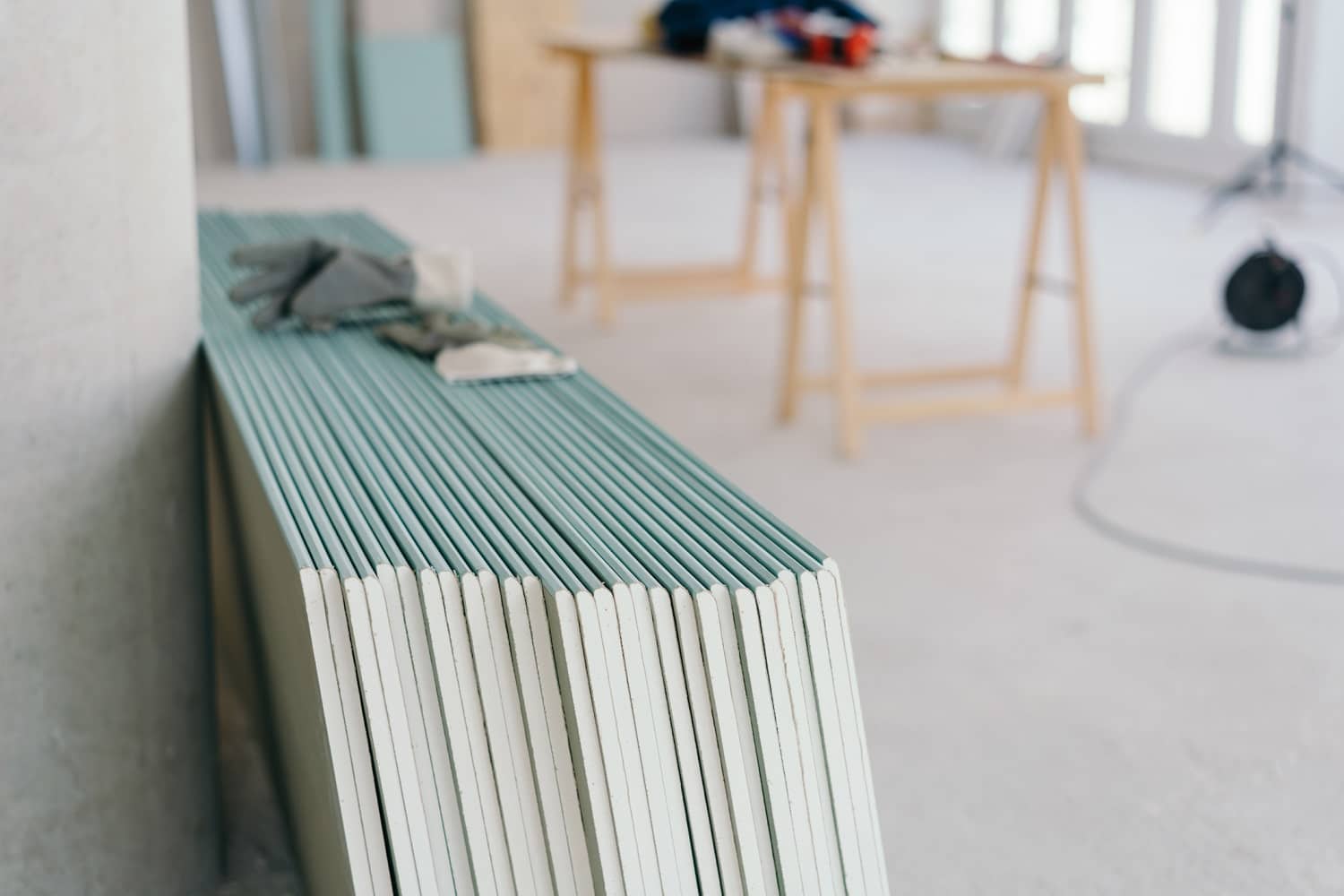
You can drywall an unheated garage because the material handles cold temperatures perfectly well. There are no risks or downsides to installing drywall in a garage that is not heated, and the material stands up to moisture and other elements quite well. Drywall will protect your unheated garage's electric wires and cables and add fire protection. However, for effective bonding, you should install drywall at a temperature of 55 degrees Fahrenheit or higher.

Although they have similar applications, spackle and joint compound are not the same. Their primary differences lie in their composition, consistency, and ideal use cases.

Spackle is composed of gypsum and binding agents, making it thicker than joint compound. It dries quickly and is easy to sand, which makes it ideal for small wall repair projects like filling nail holes or patching minor damage.

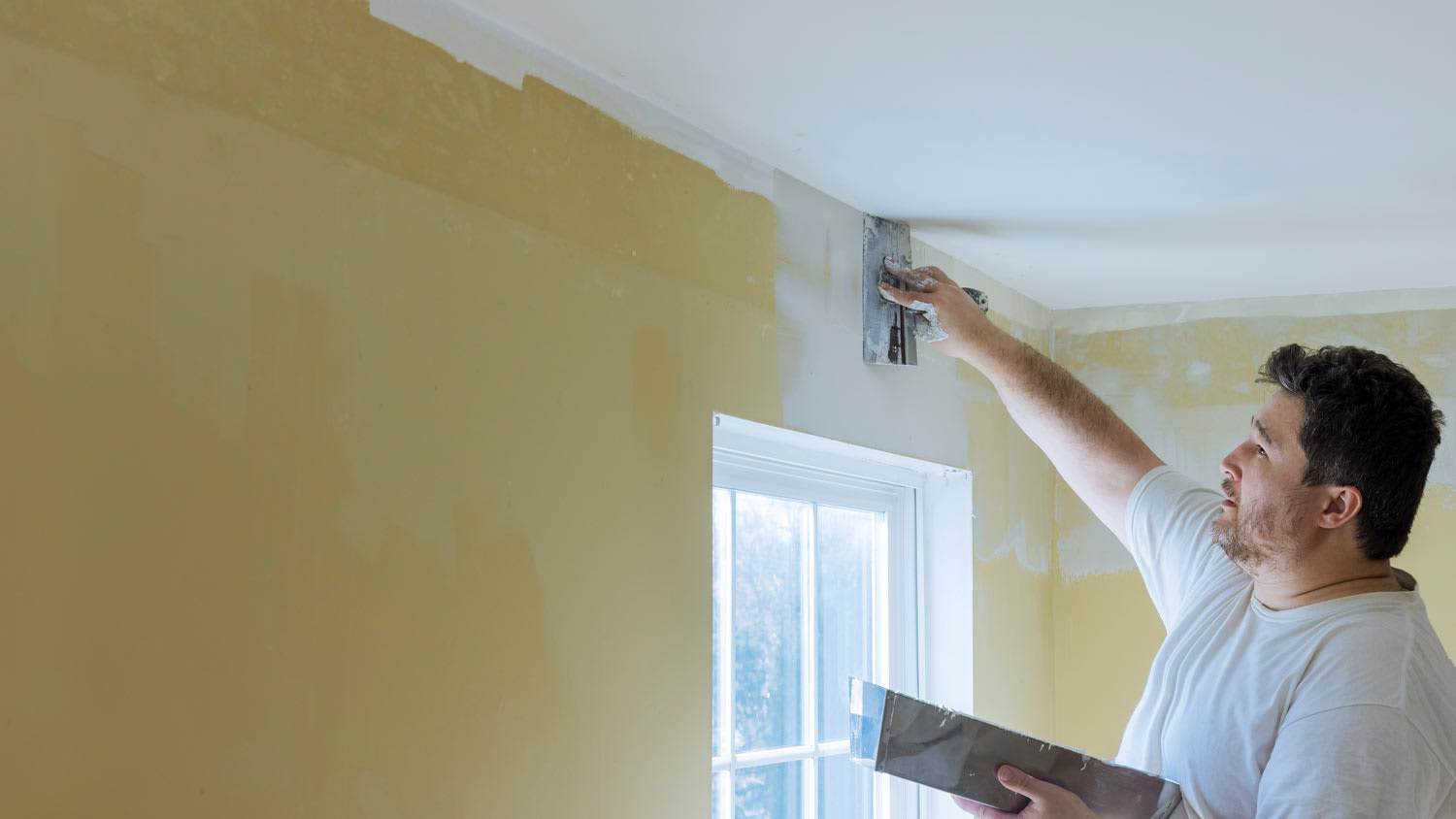
Joint compound, also known as drywall mud, consists of limestone and gypsum. It is primarily used for large-scale projects, such as taping and finishing the seams on newly installed drywall. It tends to shrink more than spackle and can be more difficult to spread.

While both products can be used to fill small depressions and cracks, spackle cannot replace joint compound for taping and mudding new drywall. Conversely, you can often use joint compound for small patching jobs typically done with spackle.

Drywall mudding can be done in one day if the project is small and the desired effect isn’t too complex. If you need multiple layers of mud, one day may not be realistic. But a single room that requires little more than joint compound on the seams and screws can be done in a day or two.

The Glade Valley, NC homeowners’ guide to drywall services

From average costs to expert advice, get all the answers you need to get your job done.