



Top-rated plaster repair specialists.

Get matched with top plaster repair specialists in Canton, NC

Enter your zip and get matched with up to 5 pros

Need a pro for your plaster repair project in Canton, NC?

Select your specific project to find the pro for you.

TRUSTED BY CANTON, NC HOMEOWNERS

  • Average homeowner rating star icon4.5
    Average homeowner rating
  • Verified reviews icon84
    Verified plaster repairs reviews

Find Plaster repair specialists in Canton

Wal-Master Drywall, LLC
4.4(
137
)
Plaster - InstallPlaster - Install - For BusinessPlaster - Repair+1 more

Serving Canton, NC and surrounding areas

Approved

In business since 2015

Free estimates

Warranties offered

"Wal-Master Drywall LLC (Jeff and Christie) are amazing- highly recommended with enthusiasm. The process was flawless. They were prompt to arrive, professional from start to finish, delivered exactly as promised (and more!), very high quality services, very knowledgeable and best of all they are super nice. A true pleasure to do business with- Five stars all the way! I look forward to working with Wal-Master on future projects."
Response time11 hrs
Response rate96%
2 neighbors recently requested a quote
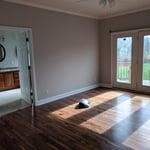
M&D Property Solutions
4.5(
23
)
Plaster - InstallPlaster - RepairPlaster - Repair - For Business

Serving Canton, NC and surrounding areas

Approved

In business since 2017

Emergency services offered

Warranties offered

"Great honest contractors. They did my bathrooms, hot water heater, unclogged my house drain and they did a French drain so my basement is not wet anymore. I already hired them to do my whole roof in the spring. I will hire them anytime."
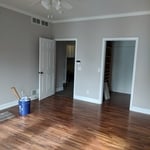
Master bedroom
Master bedroom
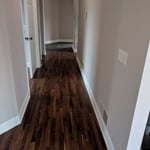
Front hall
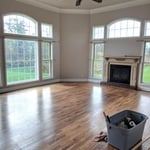
Living area
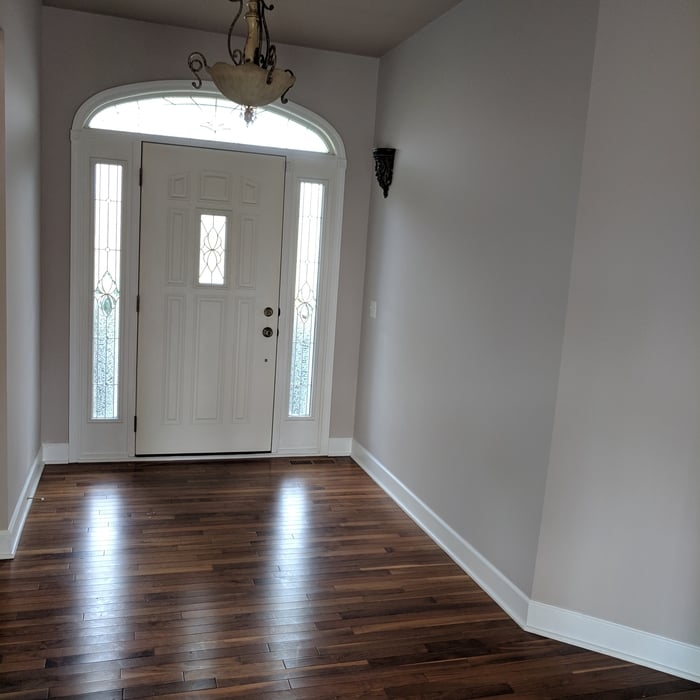
Entry

+10

Response time1 day
1 neighbors recently requested a quote
Recommended by100%of homeowners
...
Showing 1-10 of 57
Plaster Repair questions, answered by experts

If you’re looking for a reliable plaster repair company, you should start by researching local companies in your area and reviewing their status with the Better Business Bureau. Next, you can contact the potential companies to ask about experience levels, get a list of references, and ask for examples of past work. If you have a textured wall, consider asking if they have examples or references for that particular texture. This method should help you narrow your search even further. You may also want to ask each company if they provide a warranty for their work.

Plaster provides a durable, soundproof, and moisture-resistant finish compared to drywall.

Although they have similar applications, spackle and joint compound are not the same. Their primary differences lie in their composition, consistency, and ideal use cases.

Spackle is composed of gypsum and binding agents, making it thicker than joint compound. It dries quickly and is easy to sand, which makes it ideal for small wall repair projects like filling nail holes or patching minor damage.

Joint compound, also known as drywall mud, consists of limestone and gypsum. It is primarily used for large-scale projects, such as taping and finishing the seams on newly installed drywall. It tends to shrink more than spackle and can be more difficult to spread.

While both products can be used to fill small depressions and cracks, spackle cannot replace joint compound for taping and mudding new drywall. Conversely, you can often use joint compound for small patching jobs typically done with spackle.

Smaller is better when patching holes with spackle. Any holes wider than four to six inches in diameter tend to be too wide to repair with spackle alone. You'll likely want to patch bigger holes with a drywall panel. 

Even holes measuring up to 6 inches may be challenging to fill with spackle alone. For best results, purchase a wall repair patch made from wire mesh. Cut the patch to fit over the hole, then use the spackle to hold it in place. Apply the spackle over the patch as you would for a smaller hole.

Although they are used for similar tasks, spackle and joint compound are not the same. Joint compound, also known as drywall mud, consists of limestone and gypsum and is primarily used for large-scale projects like taping and finishing seams on new drywall. Spackle is composed of gypsum and binding agents, making it a thicker compound best suited for small wall repairs like filling nail holes or cracks, as it dries quickly and is easy to sand. For small repairs, either product can be suitable. However, you can use joint compound for small jobs in place of spackle, but you cannot use spackle for large-scale taping and mudding projects.

The Canton, NC homeowners’ guide to plaster repairs

From average costs to expert advice, get all the answers you need to get your job done.