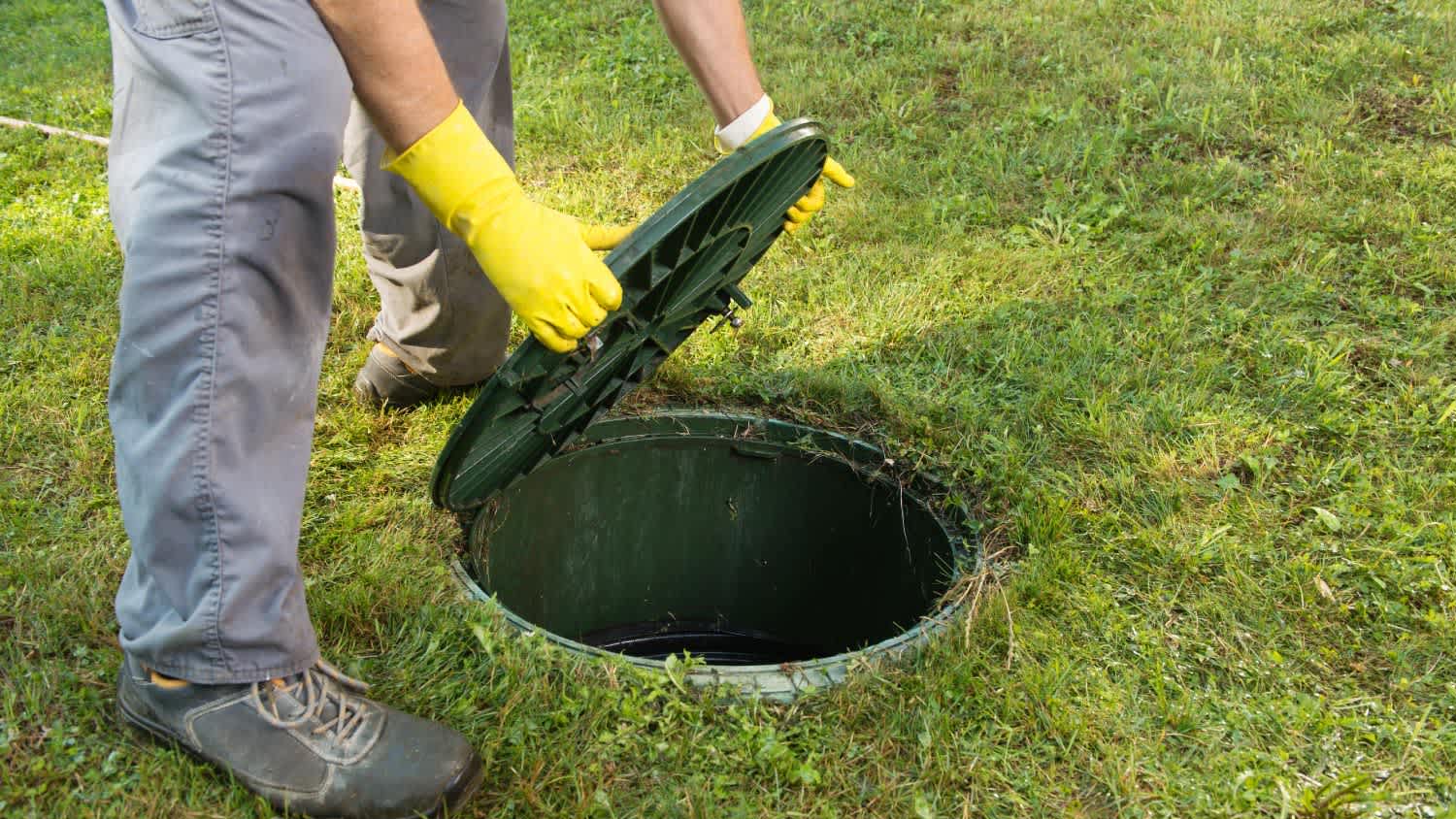



Top-rated percolation testing pros.

Get matched with top percolation testing pros in Boonville, NC

Enter your zip and get matched with up to 5 pros

Need a pro for your percolation testing project in Boonville, NC?

Select your specific project to find the pro for you.

TRUSTED BY BOONVILLE, NC HOMEOWNERS

  • Average homeowner rating star icon4.6
    Average homeowner rating
  • Verified reviews icon104
    Verified percolation testing services reviews

Find Percolation testing pros in Boonville

No results for Percolation testing pro in

Try adjusting your search criteria.
Percolation Tests questions, answered by experts

No, not all popcorn ceilings have asbestos, but a vast majority do. The Environmental Protection Agency (EPA) banned its use in 1973, although it still may have been used up through the early ‘90s. But, in general, homes built or remodeled before the early ‘80s likely utilized materials with asbestos. That being said, a professional test is the only way to determine for sure.

Epoxying over asbestos tiles is generally considered a safe option when done correctly. Epoxy acts as a sealant, encapsulating the asbestos tiles and preventing the release of asbestos fibers into the air. The key is ensuring that the asbestos tiles are in good condition, firmly adhered to the substrate, and not damaged or deteriorating. This method is only appropriate for tiles that are undamaged and securely in place. If the asbestos tiles are already loose, damaged, or deteriorating, encapsulating them with epoxy may not be a sufficient solution, as it might not address the potential for ongoing asbestos exposure.

Asbestos itself does not typically leak from a roof. However, if an asbestos-containing roof is damaged or deteriorated, it can release asbestos fibers into the air. This can occur when the roof is disturbed, such as during maintenance or repairs, or due to weathering over time. Exposure to airborne asbestos fibers can be harmful to health, so it is important to address any damaged asbestos roofs promptly and safely.

There are products that still contain asbestos, but they were typically installed decades ago. Common places where you may still find asbestos-containing materials are in siding, wrapped around ductwork, in older appliances (i.e., stove and gravity furnaces), and in floors. Asbestos was primarily used as an insulator, so anywhere in an older home where you lose heat is where you will most likely find asbestos.

It can be safe to live in a house with asbestos as long as the asbestos-containing materials are intact, in good condition, and not disturbed. Asbestos becomes dangerous only when its fibers are released into the air, which happens if the material is damaged, crumbling, or disturbed during renovation work. If you suspect asbestos is present, do not disturb it. Instead of removal, materials in good condition can sometimes be encapsulated. It is recommended to have regular professional inspections to monitor the condition of the asbestos and prevent health risks from potential exposure.

The Boonville, NC homeowners’ guide to percolation testing services

From average costs to expert advice, get all the answers you need to get your job done.