



Top-rated lead testing and removal specialists.

Get matched with top lead testing and removal specialists in Bolton, NC

Enter your zip and get matched with up to 5 pros

Need a pro for your lead testing and removal project in Bolton, NC?

Select your specific project to find the pro for you.

Find Lead testing and removal specialists in Bolton

Avatar for AdvantaClean of Coastal Carolina
AdvantaClean of Coastal Carolina
4.9(
15
)
Toxic Lead - AbatementToxic Lead - Testing

Serving Bolton, NC and surrounding areas

In business since 2011

Free estimates

Emergency services offered

"We discovered mold around our vents inside of the house and called to have an inspection of our system. Eddie Geyer came to our home and was very professional (and polite) from the beginning to the end. We had several companies come out but chose this company due to their fair price, through inspection and professionalism. Mr. Geyer and his crew did an excellent job cleaning our vents (they had never been cleaned before). He answered all our questions and we feel confident that the vents are in much better condition now. I highly recommend this company."
Additional Photos
Additional Photos
Additional Photos
Recommended by100%of homeowners

Environmental Service Group
New to Angi
Toxic Lead - Testing

Serving Bolton, NC and surrounding areas

In business since 2010

Free estimates

Credit card accepted

We pride our company on reliability, great communication, integrity, and quality work. We are experts in our trade and will do our best to keep you as educated as we can on your particular task or project. We look forward to earning your business! We are family owned and operated, so please let us know how our family can take care of yours!\n\n

Lead Testing and Removal questions, answered by experts

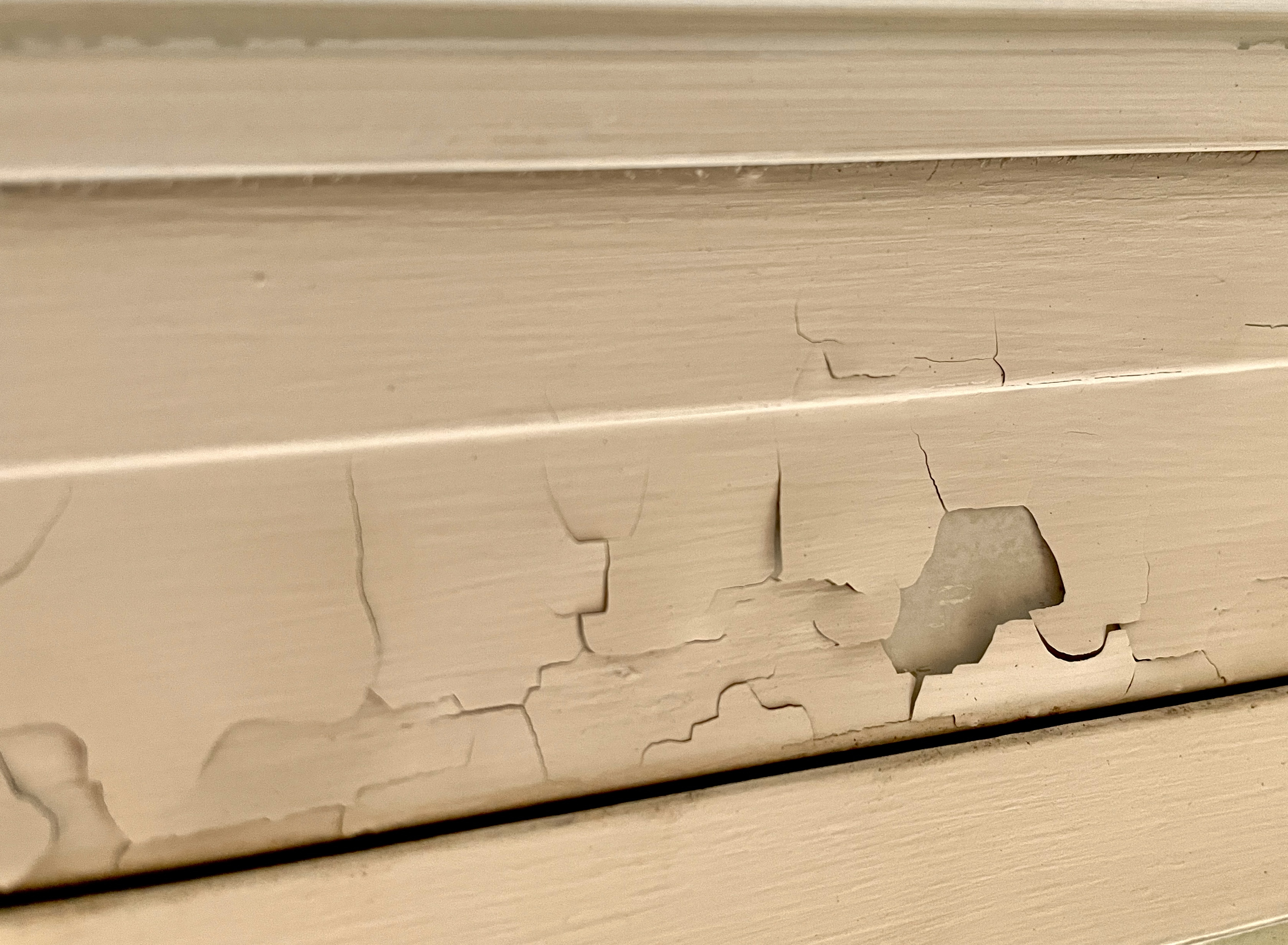
While not all homes built before 1978 contain lead paint, enough do, so you’ll still want to test to be on the safe side. The federal government banned lead-based paint for homes in 1978, but your state may have banned lead before that time. Around 24% of homes built between 1960 and 1977 contained lead-based paint, while 87% of homes built before 1940 contained lead-based paint.

Some causes of brown well water—like excess tannins or dissolved iron—don’t pose a health risk. In other cases, harmful bacteria might be the culprit. If your well water has suddenly turned brown, it’s a good idea to use a home water test kit to get a better sense of what’s going on with your water. Consider calling a professional for an expert opinion before drinking the water and hoping for the best.

You should ask a few questions to ensure that your potential lead removal professional is experienced and qualified to handle lead-paint abatement safely, legally, and properly.

  • What are your qualifications and experience removing lead-based paint?

  • Are you licensed and certified to remove lead-based paint?

  • How do you test for lead paint?

  • What methods do you use for lead-based paint abatement?

  • What do you plan to do with the hazardous material when you remove it from the home?

  • Do you do replacement and painting work or removal only?

Avoid disturbing suspected lead-containing materials and follow professional guidance on sample collection.

According to the Environmental Protection Agency (EPA), hazardous waste is generally classified into four main categories:

1. Characteristic Wastes: These exhibit at least one of four hazardous traits: ignitability (flammable, like gasoline), corrosivity (can rust or decompose materials, like car batteries), reactivity (unstable and can explode, like aerosol cans), or toxicity (harmful when ingested, like lead-based paint).

2. Listed Wastes: These are specific wastes from manufacturing and industrial processes that the EPA has officially designated as hazardous. They include byproducts from processes that use solvents, pesticides, and other chemicals.

3. Universal Wastes: These are commonly generated hazardous items that are subject to streamlined regulations. Examples include batteries, pesticides, mercury-containing equipment (e.g., bulbs), and some lamps.

4. Mixed Wastes: This category includes waste that contains both hazardous and radioactive components, making it subject to regulation by both the EPA and the Nuclear Regulatory Commission.

The Bolton, NC homeowners’ guide to lead testing and removal services

From average costs to expert advice, get all the answers you need to get your job done.