







Top-rated ceiling fan pros.

Get matched with top ceiling fan pros in Bermuda Run, NC

Enter your zip and get matched with up to 5 pros

Need a pro for your ceiling fan service project in Bermuda Run, NC?

Select your specific project to find the pro for you.

TRUSTED BY BERMUDA RUN, NC HOMEOWNERS

  • Average homeowner rating star icon4.7
    Average homeowner rating
  • Verified reviews icon118
    Verified ceiling fan services reviews

Find Ceiling fan pros in Bermuda Run

Avatar for Cardinal Electric & Communications Inc
Cardinal Electric & Communications Inc
4.9(
63
)
Ceiling Fan - InstallCeiling Fan - Repair

Serving Bermuda Run, NC and surrounding areas

Approved

Super Service Award Winner

In business since 2015

Free estimates

Emergency services offered

"I knew it would be a difficult installation due to location of old fan.The fan was repaired within the estimated time frame.The new fan was tested and worked as expected.I would use them again of future projects"
Rockingham w/ Guest Home
DD w/ DriveThru
Northern Shores Pt
Primary Bath
Big or small we do it all

+153

Response time3 days
2 neighbors recently requested a quote
Recommended by86%of homeowners

Avatar for Mills Electric Company LLC
Mills Electric Company LLC
5.0(
10
)
Ceiling Fan - InstallCeiling Fan - Repair

Serving Bermuda Run, NC and surrounding areas

Approved

In business since 2023

Emergency services offered

Warranties offered

"Excellent customer service. Was very professional. Did work within specified time frame. Cost was very reasonable, no hidden extra costs at the end of the job. Would highly recommend this company to others."
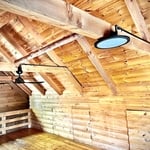
Upstairs Dimmable lighting and fan
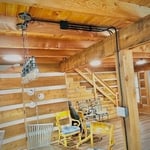
Cabin fans and lighting

+6

Response time5 days
2 neighbors recently requested a quote
Recommended by70%of homeowners
Showing 1-10 of 32
Ceiling Fans questions, answered by experts

Keeping dust off fans can keep them working optimally and help keep dust mites or bacteria from building up. Dust fans weekly with a duster, microfiber cloth, old pillowcase, or vacuum attachment. You can also try spraying a clean fan with a store-bought dust-repellent product or making a DIY dust-repellent with water and a small amount of liquid fabric softener mixed in.

Identifying the source of noises is your first step to soundproofing a room without overspending. Generally, sound comes from inside or outside of the house. Inside noises include creaking floors, living noises like TVs in the living room, cooking sounds, or kids being kids. External noises generally include incremental weather, disturbing neighbors, and street traffic. Inside noises require you to soundproof floors, ceilings, and doors, whereas outside noises may require you to soundproof your attic, windows, and walls facing the streets.

Fan power is measured by CFM, or cubic feet per minute. For every 1,000 feet of square footage in your attic, you need a minimum of 700 CFM. Steeper roofs may need larger fans or about 840 CFM.  You can figure the size of attic fan you need by multiplying the square footage of your attic floor by 0.7. (multiply by 1.2 for a steep roof and 1.15 for a dark roof). That number is the CFM required for your fan to run efficiently.

Stainless steel or aluminum fans are long-lasting and have less air resistance. They are best for outdoor use as their durability helps them withstand unpleasant weather conditions. Their heavy weight requires a stronger motor, which leads to more noise than other blade materials.

Wooden fan blades are a classic, durable option. They are much quieter than metal fans and feature a wide range of styles and finishes to choose from. However, they can be damaged by moisture if not covered with plastic.

Plastic fan blades are lightweight, easy to clean, and versatile. There are various shapes and styles to choose from as plastic is easily molded and dyed. They will also deteriorate slower than other materials as they aren’t as susceptible to humidity and moisture.

The square footage of your room will dictate the correct ceiling fan blade size. For example: 

  • Rooms smaller than 75 square feet require a fan that is 29 to 36 inches.

  • Rooms up to 175 square feet require 42- to 48-inch fans.

  • Rooms up to 350 square feet require 52- to 56-inch fans.

  • Expansive spaces over 350 square feet need a fan larger than 60 inches.

The Bermuda Run, NC homeowners’ guide to ceiling fan services

From average costs to expert advice, get all the answers you need to get your job done.