






"They came out and did some roofing for us, as well as some ceiling repair. They also did some painting. They cut out out section on our ceiling and they replaced it. They then painted the ceiling and added the stippling ceiling touches. The job looked good when they finished and we were very pleased with the work."
I'm a licensed electrician capable of installing an entire residential electrical system. I offer installation of auxiliary systems such as solar power and natural gas generators. Smart equipment installation's such as security systems and wireless voice controlled switches. I do emergency repair service calls . Branch circuit additions and regular scheduled equipment maintenance.
"The furnace took 4 days to get approved( not counting a Sunday) the others were quick but the water heater had to be ordered so without hot water for a week. One ceiling fan was easy but within a year their policy changed and They would not install the one I purchased and had to get a new one approved and then ordered online and took several weeks to get straightened out. Not sure who was at fault, AHS, installer or scheduling with renter. Fee is usually $75 per visit"
Im Adrian I been doing electrical since at a very young age I do it everyday for the past 10 years love what I do make sure everything is satisfied with the customer
Begley Electric, Inc. has served it's customers since 1997 with quality work at an affordable price. We are premier licensed and insured electricians and we will treat your property as if it were our own, which sets us apart from our competition. Want the best? Give us a call today!
Curry Electric, Inc.,est.1997 with over 25 years of experience is your company for all electrical needs in North Carolina, Tennessee and Georgia. Our reputation has extended the demand for our work in the Tri-State area. No matter how small or how large the job is from a couple of outlets to commercial construction, we will be there.
I moved to 10 years ago with my family and I’m in the process of building a house and I’m a very good worker , and I work hard and I’m a Christian guy. I’m just trying to make ends meet and I love the hunting fish and hike and I love being outside.
Luther Contracting is committed to excellence in every aspect of our business. We uphold a standard of integrity bound by fairness, honesty, and personal responsibility. Our distinction is the quality of service we bring to our customers. Accurate knowledge of our trade combined with ability is what makes us true professionals. Above all, we are watchful of our customers' interests, and make their concerns the basis of our business.
Fan power is measured by CFM, or cubic feet per minute. For every 1,000 feet of square footage in your attic, you need a minimum of 700 CFM. Steeper roofs may need larger fans or about 840 CFM. You can figure the size of attic fan you need by multiplying the square footage of your attic floor by 0.7. (multiply by 1.2 for a steep roof and 1.15 for a dark roof). That number is the CFM required for your fan to run efficiently.
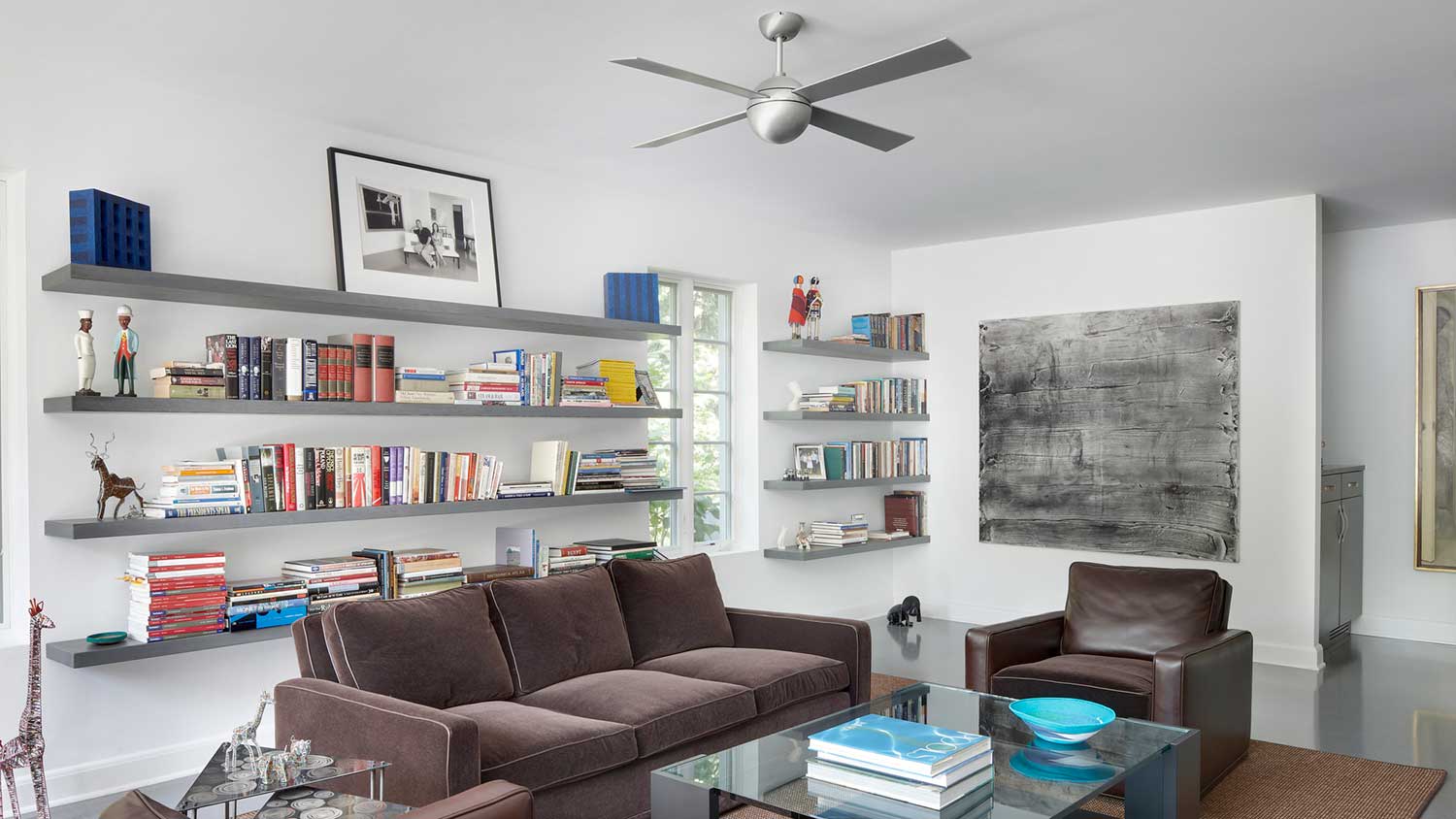
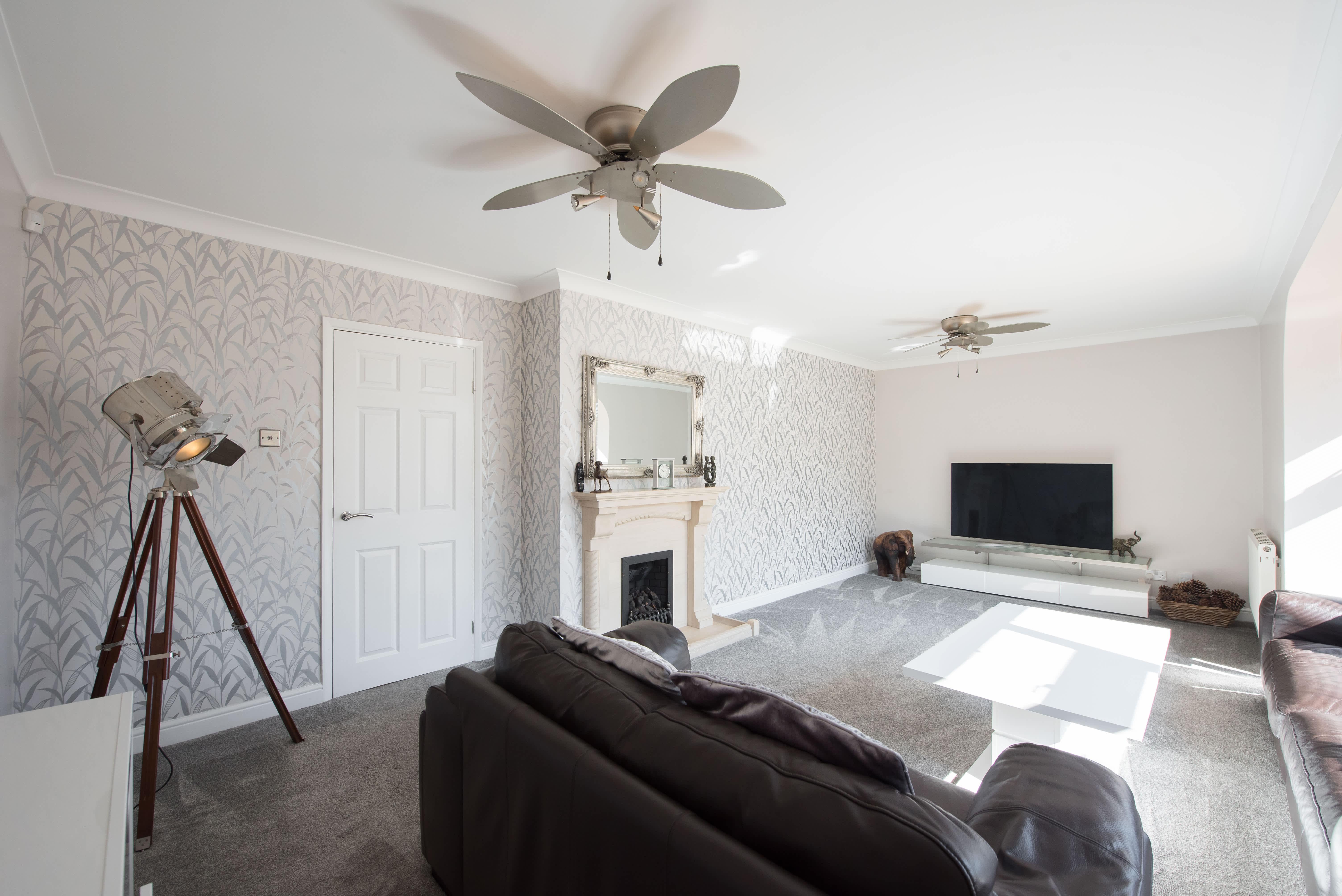
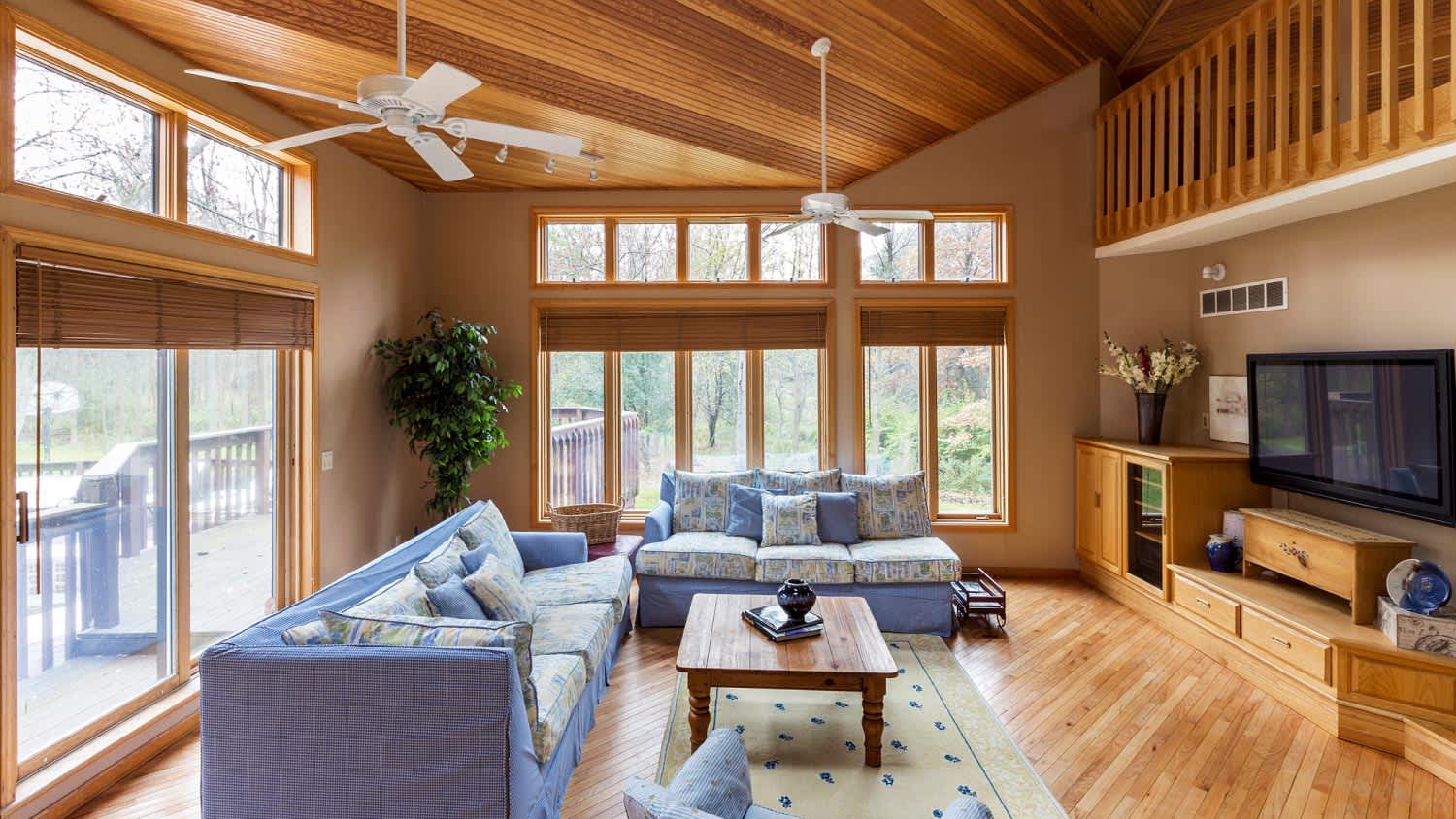
There are many types of ceiling fans available, each designed for different spaces and needs. Standard ceiling fans are the most common type and work well in most rooms. Low-profile ceiling fans are better suited for rooms with low ceilings. Smart ceiling fans can be controlled with a smartphone or voice commands. For larger spaces with ceilings between 10 and 25 feet high, large ceiling fans are ideal. Dual-motor fans have two motors to produce more airflow in multiple directions. You can also find energy-efficient or Energy-Star models that can be up to 60% more efficient, as well as fans with built-in lights or retractable blades.
When choosing a mounting bracket, you have the option between flush mounts and downrod mounts. Flush mounts are the better option for low ceilings as they feature a lower profile. Downrod mounts are the optimal choice for rooms with high ceilings as they offer a pole that adjusts the height of the fan.
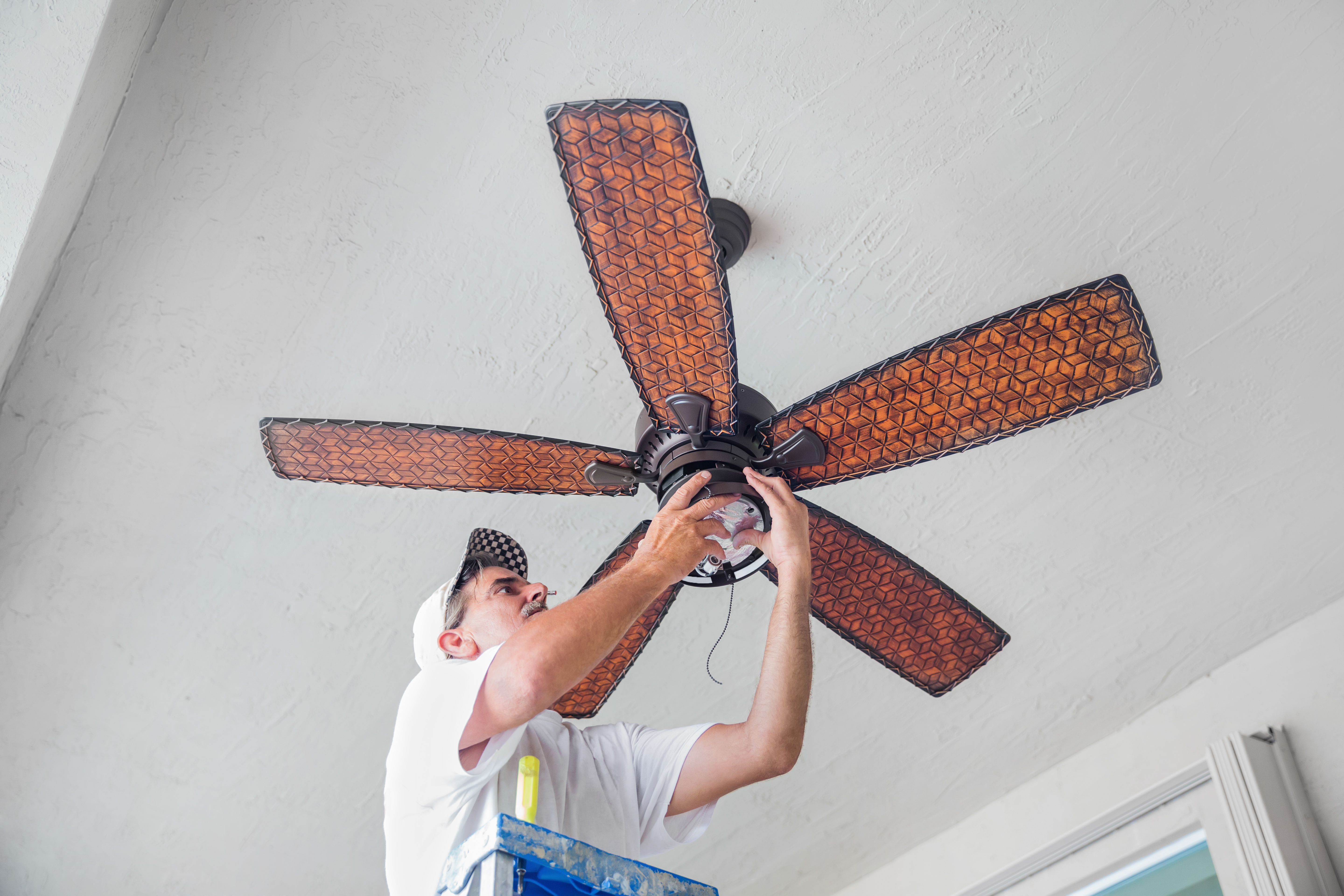
Though possible, installing a ceiling fan yourself requires electrical knowledge and confidence working with home wiring. Following the manufacturer's instructions carefully and observing safety precautions are crucial components of a DIY installation.
Since the cost of installing a ceiling fan is $250 for most homeowners, it might be beneficial to replace your existing fan if you are experiencing a significant repair issue, like a broken motor. However, for less expensive repairs, like a fan blade replacement, you’ll likely spend less on the repair than a complete fan replacement. Of course, if you’re looking for an upgrade or a new style fan, replacing it altogether is always an option.
The Andrews, NC homeowners’ guide to ceiling fan services
From average costs to expert advice, get all the answers you need to get your job done.
Discover the cost to install a ceiling fan, including labor, materials, and tips to save. Learn what impacts your price and how to budget for your project.
Ceiling fans cool down your home while stylishly accenting your space. With a variety of types of ceiling fan on the market to choose from, you can’t go wrong.
Although the risk is low, there are a few telltale signs that a ceiling fan will fall off your ceiling. This guide explains when to worry (and when not to).