Doorbell Installation questions, answered by experts
The best type of attic insulation depends on where you live, your budget, and what stage of construction the attic is in. For example, if you're building a house, then structural insulated panels are a worthy investment since they're easy to install during construction and they're the most energy-efficient type of insulation.
Additionally, if you live in a very warm climate, then you can potentially save quite a bit of money by opting for reflective insulation, which is more affordable than comprehensive insulation but doesn't work well for cool climates. Blown-in, loose-fill, and spray foam insulation are all great options for attics in moderate climates.
The most insulative type of insulation for behind drywall is spray foam insulation, but this is the most expensive insulation available. The most common insulation—sometimes considered the best for the value you get for the money—is fiberglass roll or fiberglass batt insulation, which is significantly more affordable but also far less insulative. The best kind of insulation for your house will also vary based on the climate in your area, your budget, and more. A professional insulation company can help you decide which type is best for your home.
While insulation is required for all exterior walls in a house, it is not typically required for interior walls. Local and state building codes mandate that new construction homes have adequate insulation in exterior walls and ceilings to suit the local climate.
However, there are several benefits to adding insulation to interior walls. It is excellent for sound-dampening between rooms and can help with temperature control by maintaining a regulated temperature in specific rooms and lowering heat transfer between adjacent areas. Insulating interior walls can also contribute to the overall energy efficiency of your home.
Monolithic slabs don’t require insulation, but many homeowners choose to have their contractors install insulation under the slab during construction. This can help improve home efficiency even more and keep indoor temperatures more stable. Slab foundations are more energy-efficient than uninsulated crawl spaces and basements, and insulated slab foundations are more energy-efficient than insulated crawl spaces and basements.
The time required for insulation installation can range from a few hours to a few days, with most projects taking 1-3 days to complete. The final duration depends on the project's size and complexity, the area size, and the type of insulation being installed.
The Valier, MT homeowners’ guide to doorbell installation services
From average costs to expert advice, get all the answers you need to get your job done.
Ring a bell? From replacing a wired doorbell to setting up a smart home system, learn about typical doorbell installation costs, including materials and labor.
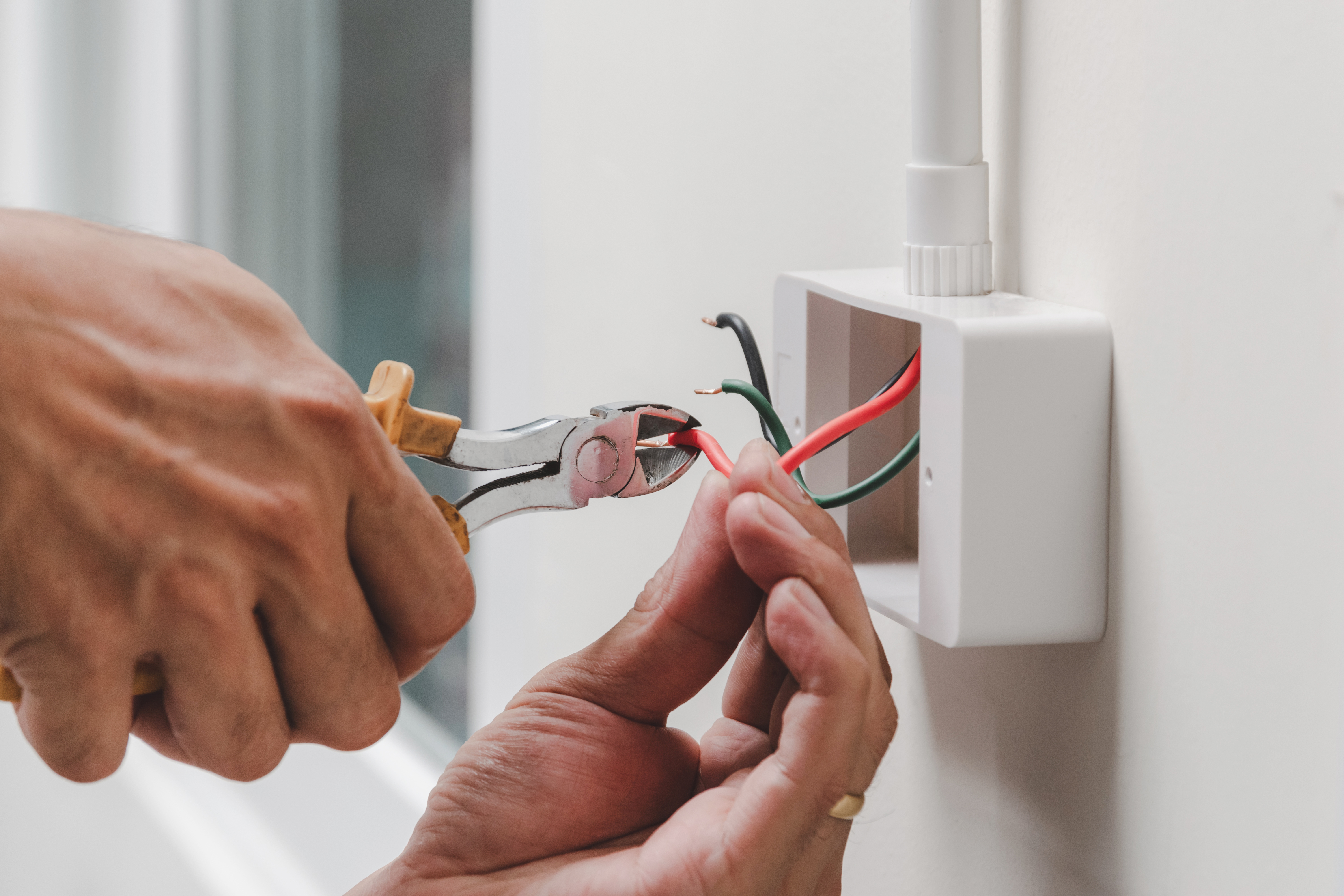
How much does it cost to install a doorbell camera? It depends on whether you plan to DIY or hire a pro. Learn about different models and their power sources, too.
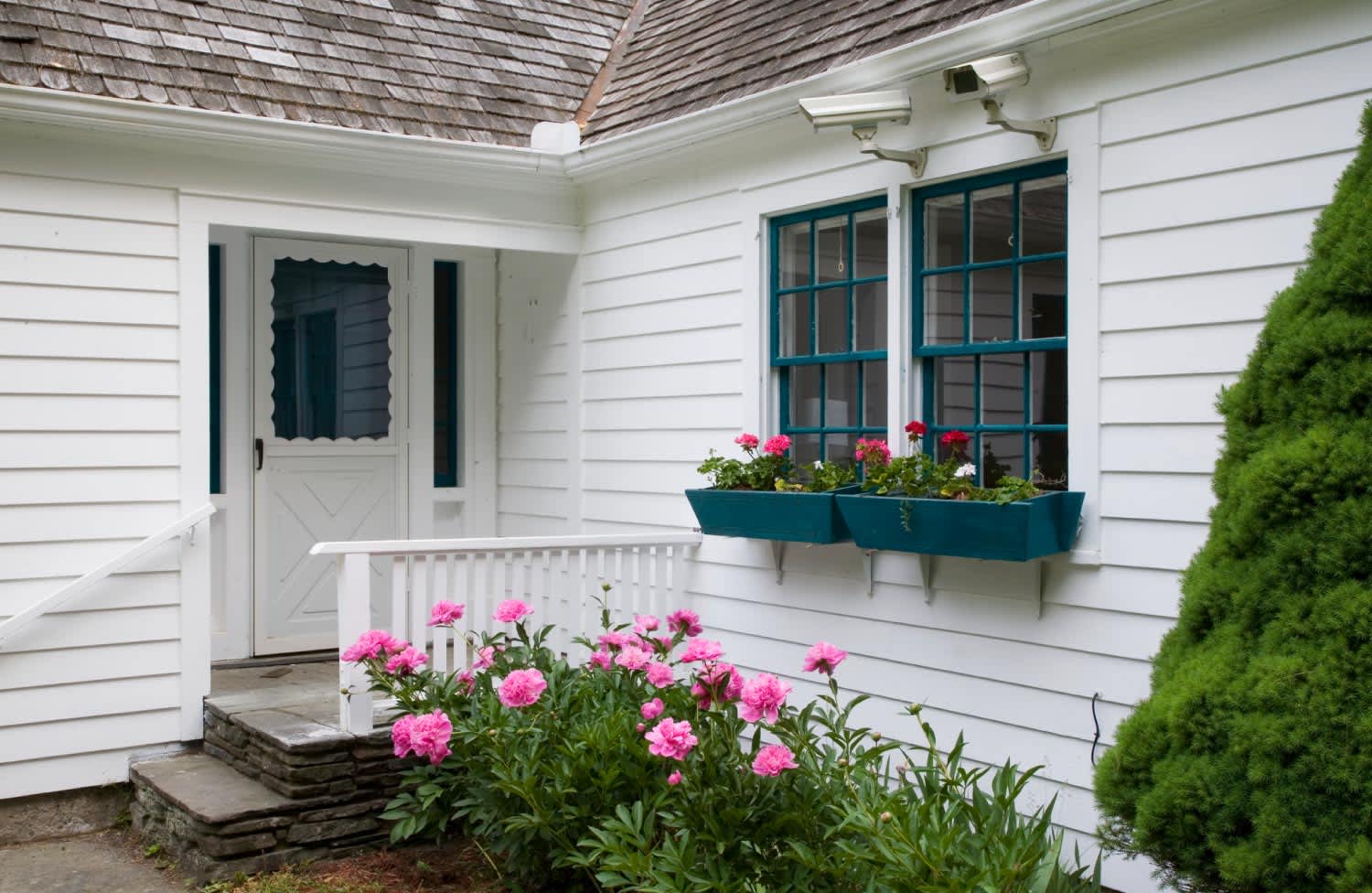
Doorbell wiring is a project you can DIY. This guide covers everything you need to know, from different types of doorbells to wiring, and how to remove an old doorbell.
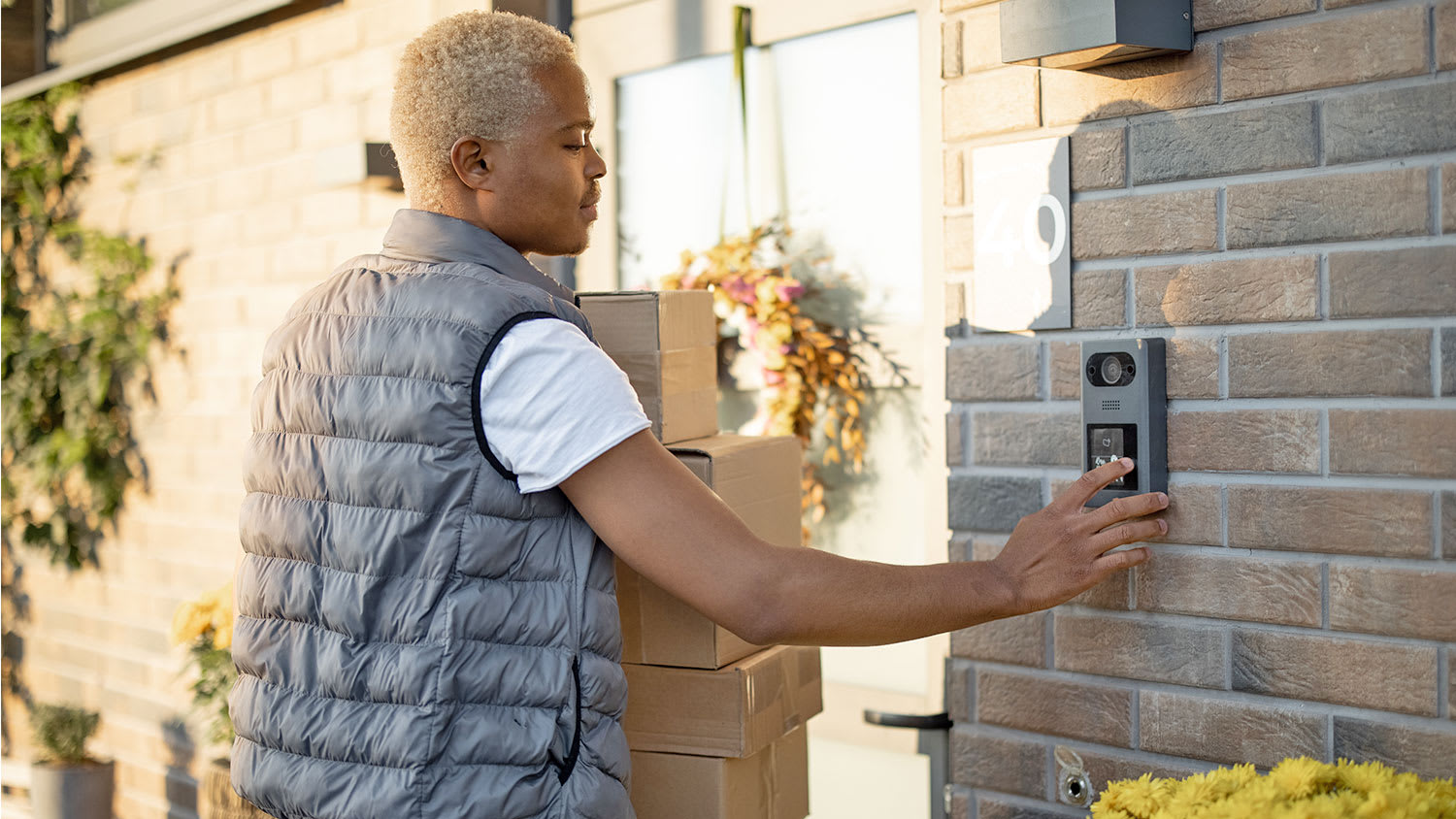
Ready to upgrade your front door and learn how to wire a doorbell? You may be able to handle this relatively simple DIY installation without an electrician.