
Doorbell Installation questions, answered by experts
Yes. Bathroom insulation requires a vapor barrier. As a matter of fact, bathrooms and kitchens are the two areas of the home that should always get a vapor barrier because of the excess moisture. If you don’t have a vapor barrier in place in these rooms, the moisture will build up and eventually lead to mold and bacteria, not to mention the destruction of the insulation.
Radiant barriers and insulation serve different purposes, so one is not inherently better than the other. Radiant barriers reflect radiant heat, helping keep spaces cool, especially in hot climates, while insulation slows heat transfer through conduction. For optimal energy efficiency, it’s best to use both together.
Radiant barriers can enhance the performance of insulation by preventing heat gain in the summer and heat loss in the winter. The choice between them depends on specific climate conditions and the building’s design requirements.
Insulation can be easy to install, depending on the condition of your walls, but there are many safety considerations and potential challenges involved. For example, most types of insulation are made from materials that can cause irritation if inhaled or if they come into contact with your skin. Additionally, installing insulation incorrectly can actually make moisture issues in your home worse.
Spreading tin foil over your windows works similarly to radiant barrier insulation, but not as well. It will reflect some of the sunlight that would otherwise come through the glass and warm up the inside of your home, so it might help a little to keep your home cool in the summer. However, the appearance isn’t preferable to blinds or drapes that can offer the same benefits. You might also consider tinting your windows instead, which is a more aesthetically pleasing change that can still block a good portion of the solar heat coming through your windows.
Insulating your ducts offers several benefits, including:
Improved energy efficiency: Duct insulation prevents energy losses, reducing heating and cooling costs.
Cost savings: Lower energy bills make insulation a cost-effective investment.
Environmental benefits: Enhanced efficiency reduces your carbon footprint.
Consistent comfort: Insulated ducts help maintain a stable indoor temperature.
Better indoor air quality: Reduced allergens and pollutants improve air quality.
The Sunburst, MT homeowners’ guide to doorbell installation services
From average costs to expert advice, get all the answers you need to get your job done.
Ring a bell? From replacing a wired doorbell to setting up a smart home system, learn about typical doorbell installation costs, including materials and labor.
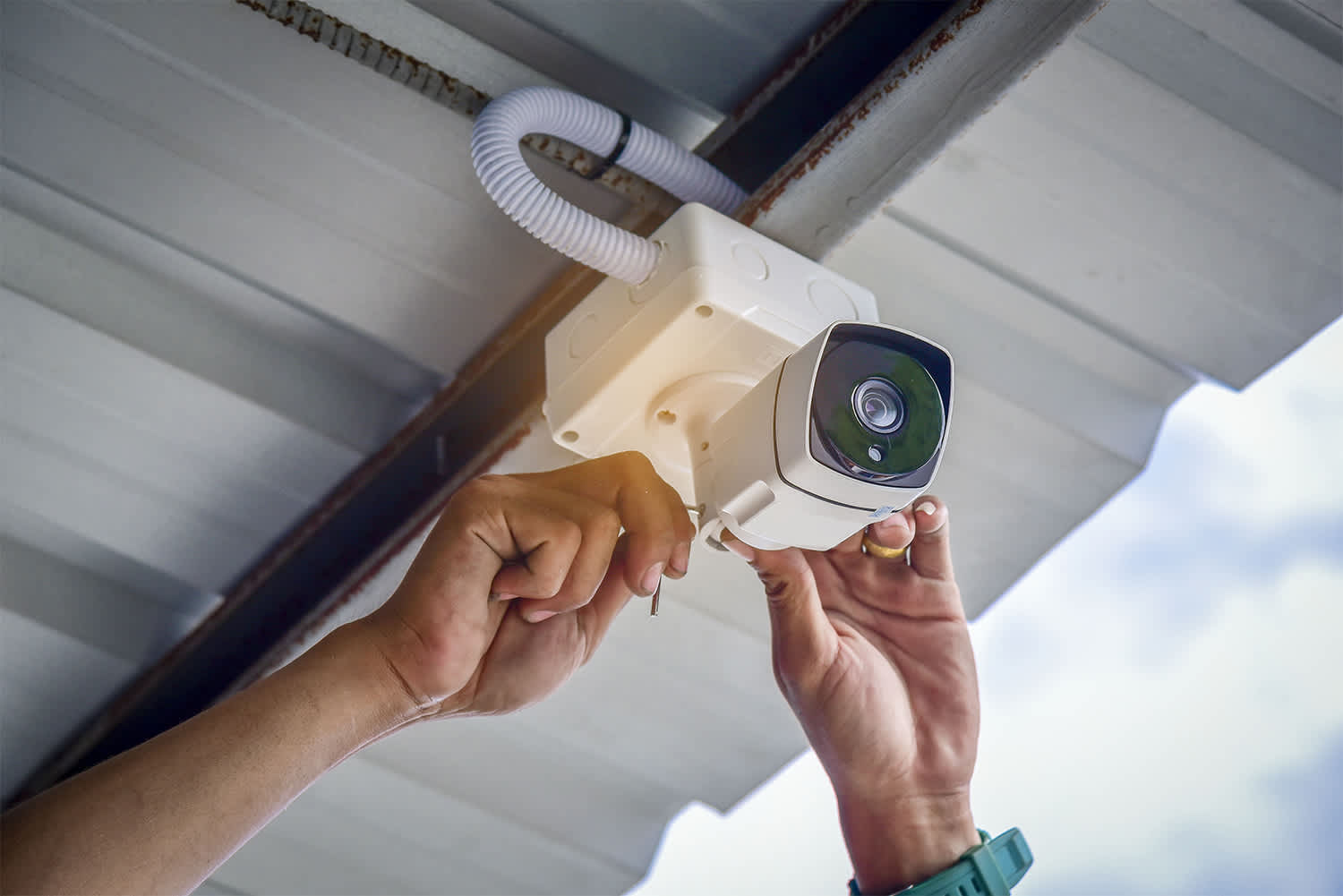
How much does it cost to install a doorbell camera? It depends on whether you plan to DIY or hire a pro. Learn about different models and their power sources, too.
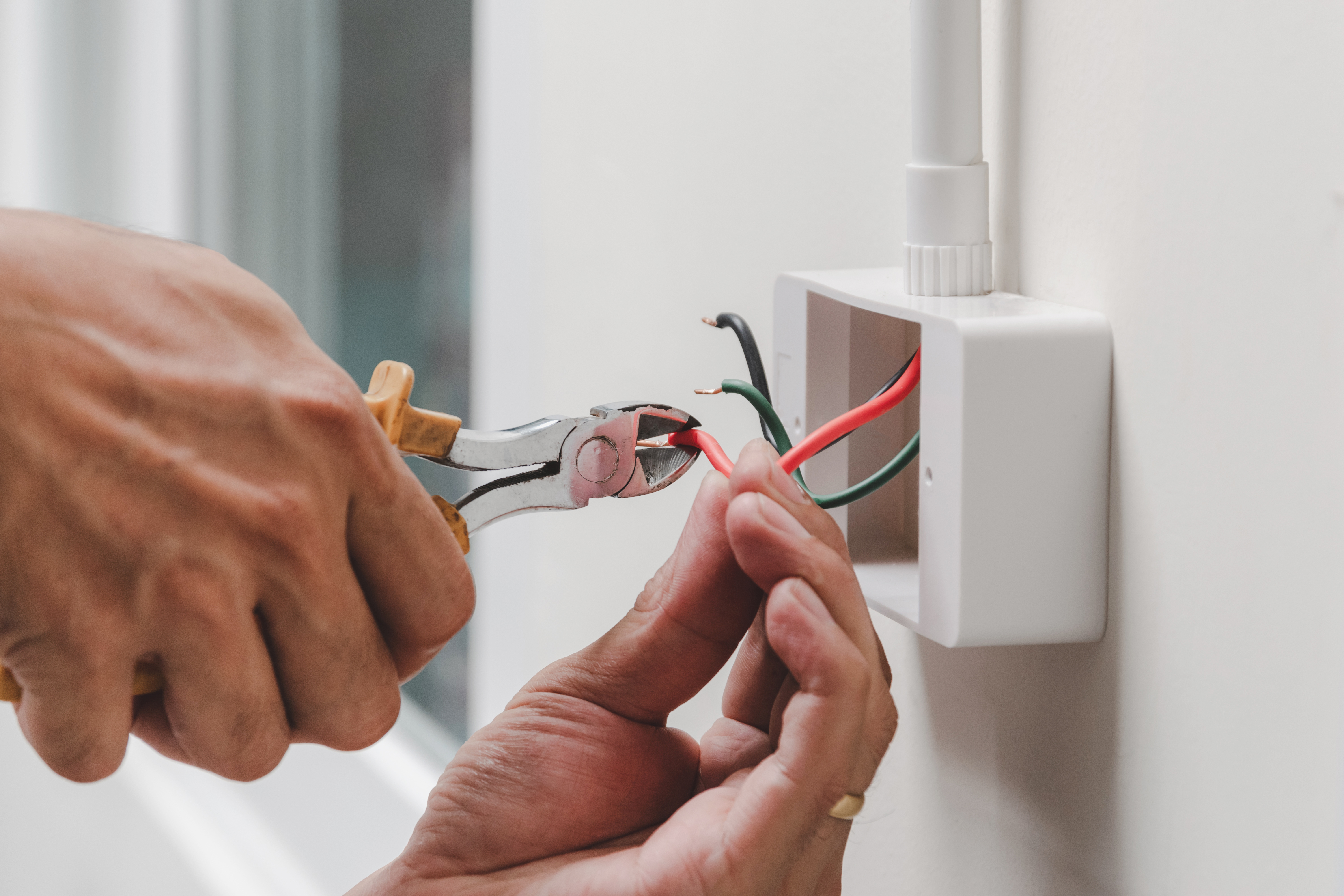
Doorbell wiring is a project you can DIY. This guide covers everything you need to know, from different types of doorbells to wiring, and how to remove an old doorbell.

Ready to upgrade your front door and learn how to wire a doorbell? You may be able to handle this relatively simple DIY installation without an electrician.