Doorbell Installation questions, answered by experts
Three signs that you need crawl space insulation are drafts, high energy bills, and mold. Drafts can start in crawl spaces and cause hot or cold air to spread to the rest of your home through holes in the floors and walls. And even if your entire home is well-insulated, you can still feel an unchecked draft from your crawl space and in your utility bill. Uninsulated crawl spaces can let in air and moisture, and because they’re built directly on the ground and difficult to dry out, they are hotspots for mold and mildew.
A radiant barrier is a form of insulation topped with a reflective material designed to keep homes cool during hotter months. It is generally considered worth the investment if you live in a hot, sunny climate, as the cost can be recouped over time through lower energy bills. Installation costs typically range from $0.10 to $1 per square foot. After installation, homeowners in warm climates may save between $7 and $15 per month, potentially reducing their electric bill by 5% to 10%. The exact savings will vary depending on your location and the type of barrier chosen.
Structural insulated panels and rigid foam boards have the highest R-value of any insulation that contractors commonly use, with R-values reaching up to around 8.0. These types of insulation are best in extremely cold climates, but they’re generally preferred for new construction, as they can be challenging to retrofit. Blown-in and loose fill insulation provide the next best insulative value, provided the installation is done properly. It’s important to choose an insulation type that meets your needs based on climate, as maximizing R-value may not always be financially worthwhile if you live in a moderate climate.
Depending on the item, several different materials are beneficial for long-term storage. Bubble wrap and plastic wrap help ensure delicate ceramics or furniture are safe and secure. High-quality moving boxes made of durable materials like plastic also help ensure the longevity of your storage, as cardboard will degrade faster over time.
Yes, you can use too much bubble wrap. If you overdo it with the wrapping, it can strain the top of your box and break open the taped seal, risking the chance that the contents of the box could fall out or break. Use enough wrapping to fully cover your item without compromising the security of your box.
The Conrad, MT homeowners’ guide to doorbell installation services
From average costs to expert advice, get all the answers you need to get your job done.
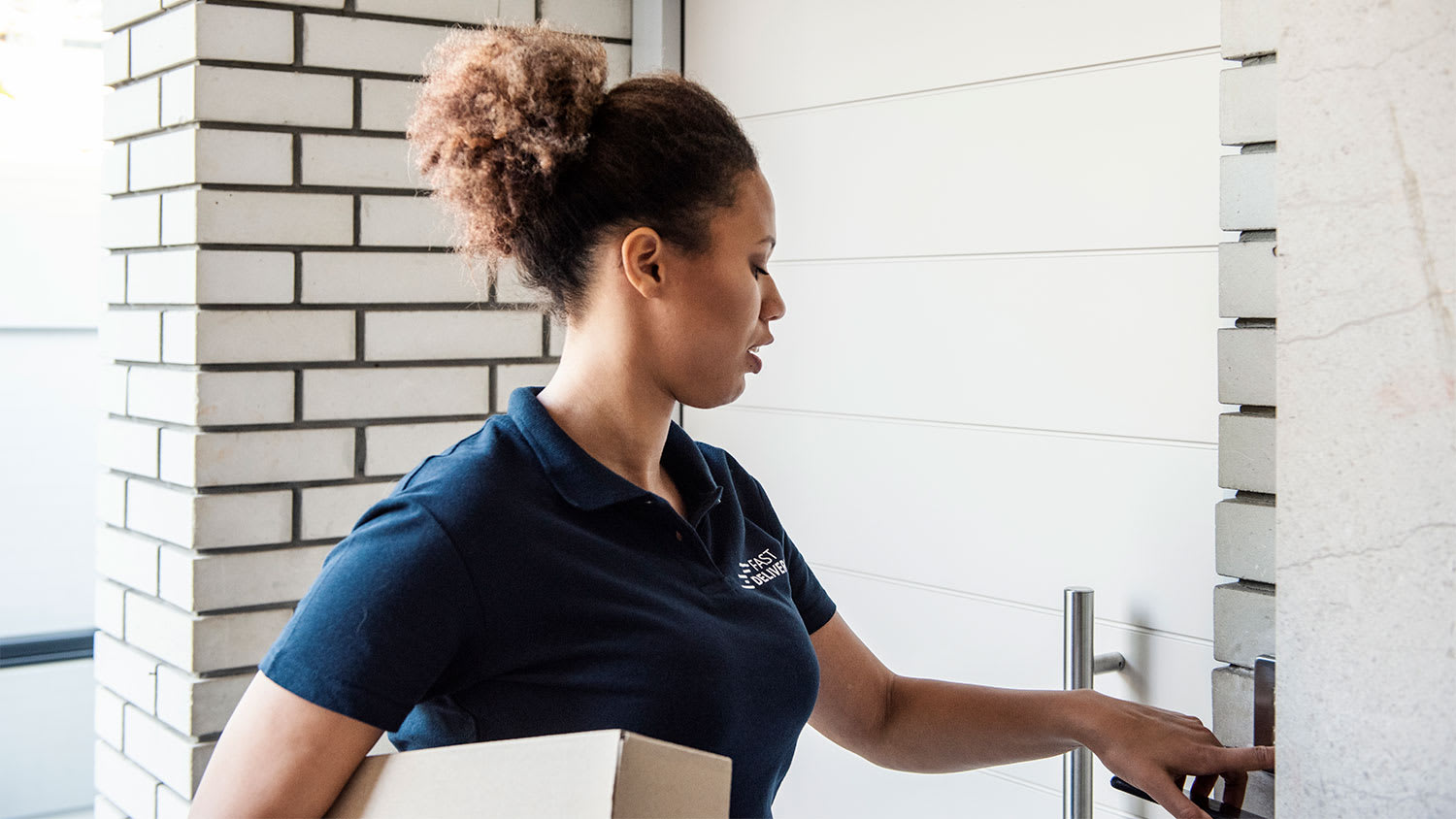
Ring a bell? From replacing a wired doorbell to setting up a smart home system, learn about typical doorbell installation costs, including materials and labor.
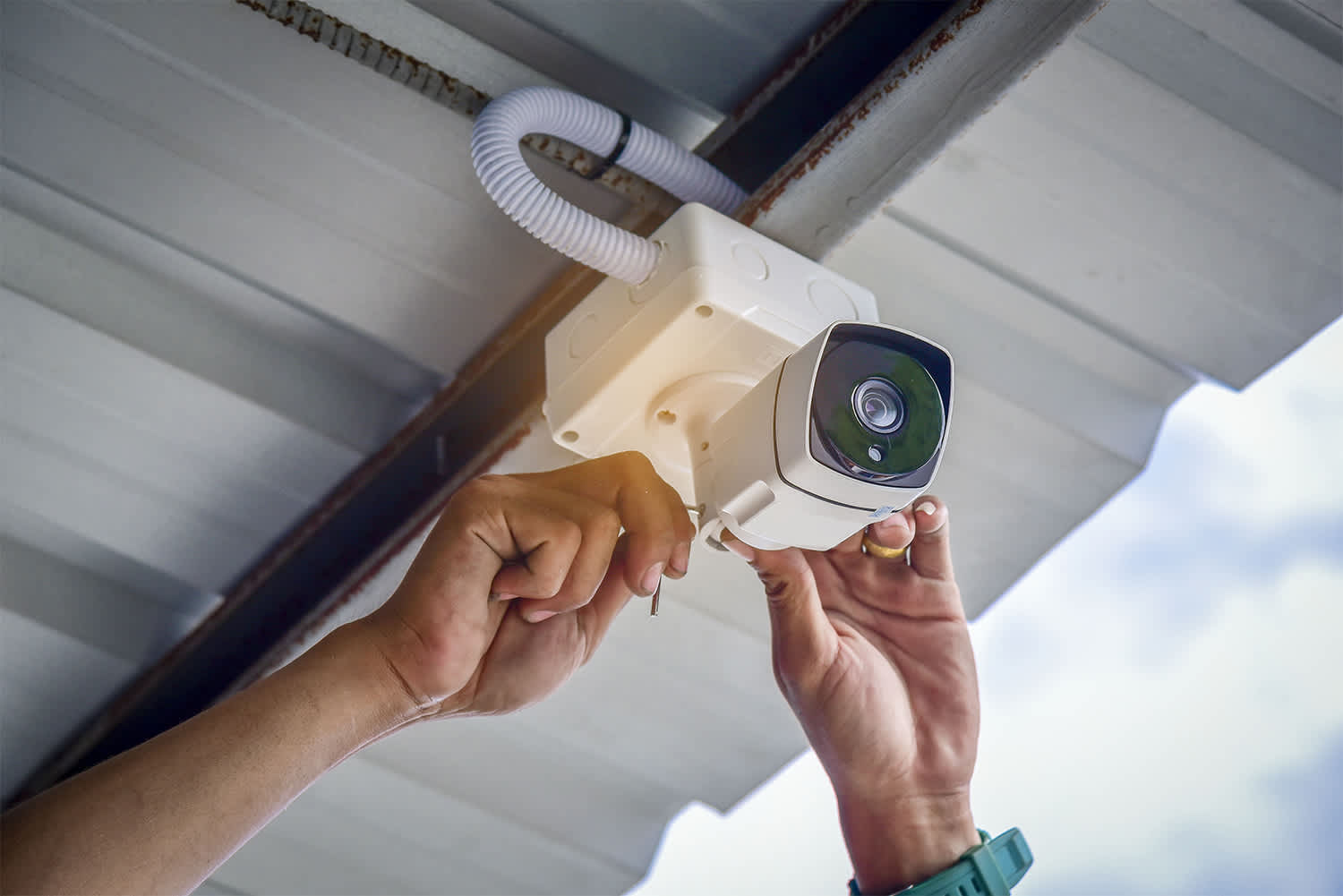
How much does it cost to install a doorbell camera? It depends on whether you plan to DIY or hire a pro. Learn about different models and their power sources, too.
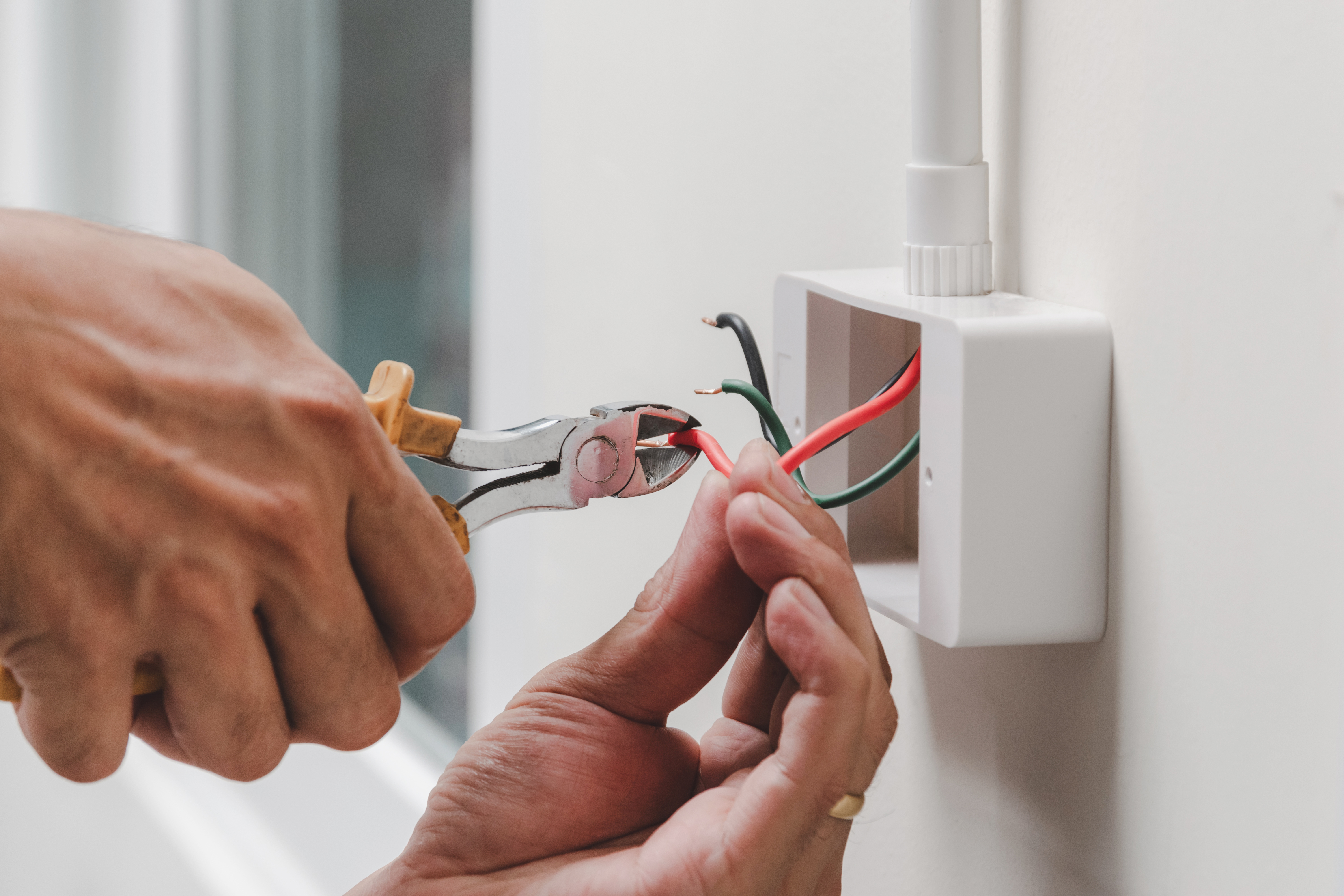
Doorbell wiring is a project you can DIY. This guide covers everything you need to know, from different types of doorbells to wiring, and how to remove an old doorbell.
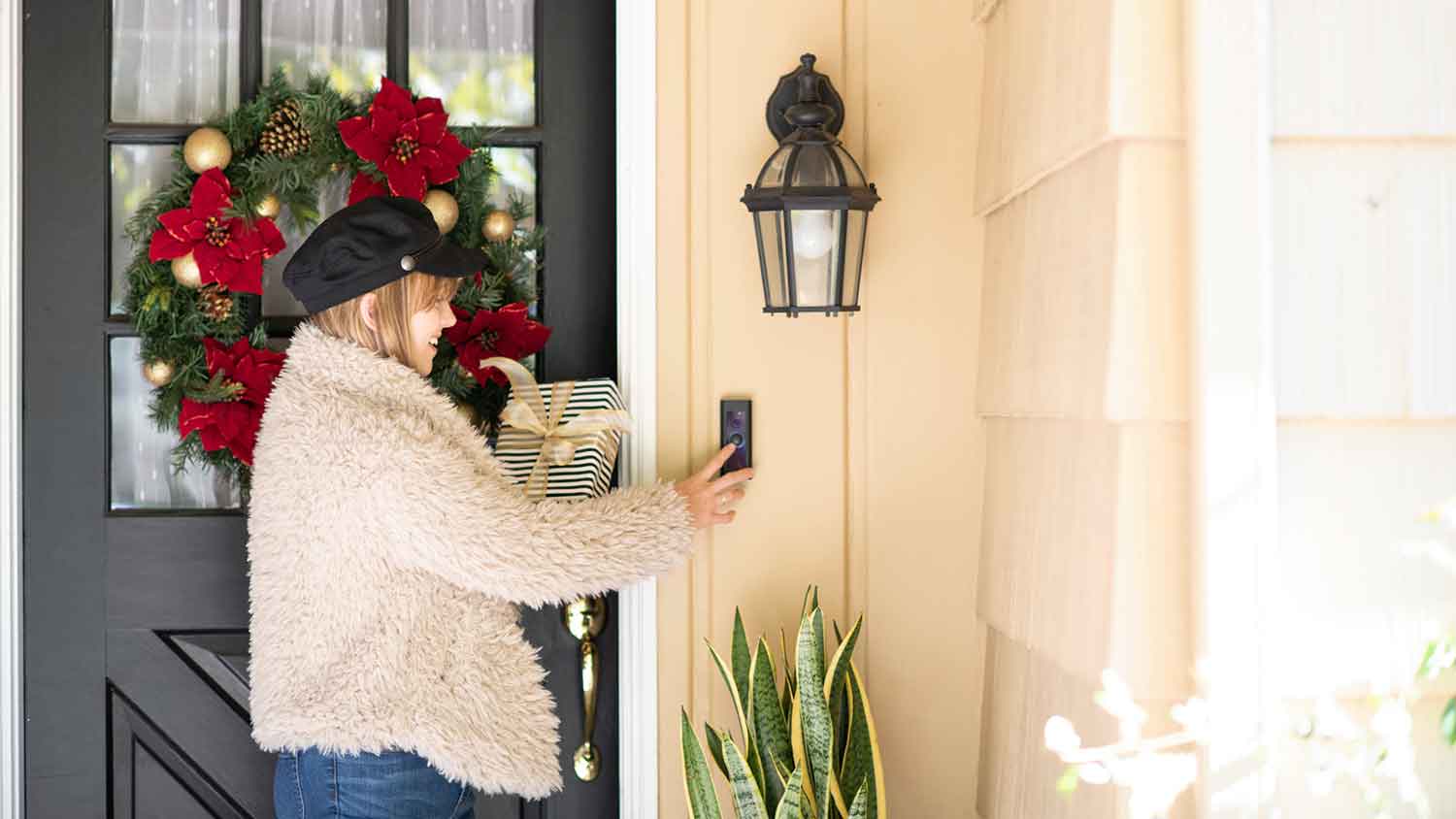
Ready to upgrade your front door and learn how to wire a doorbell? You may be able to handle this relatively simple DIY installation without an electrician.