Doorbell Installation questions, answered by experts
Insulating your ducts offers several benefits, including:
Improved energy efficiency: Duct insulation prevents energy losses, reducing heating and cooling costs.
Cost savings: Lower energy bills make insulation a cost-effective investment.
Environmental benefits: Enhanced efficiency reduces your carbon footprint.
Consistent comfort: Insulated ducts help maintain a stable indoor temperature.
Better indoor air quality: Reduced allergens and pollutants improve air quality.
Yes, including recycled denim and cellulose from natural fibers.
In addition to adding insulation to your attic, you may want to add a radiant barrier. A radiant barrier works by using reflective material, such as foil, on the attic floor. As heat penetrates the roof and enters the attic, the radiant barrier reflects the heat upward and back through the roof. If you receive a lot of direct sunlight on the roof, using both a radiant barrier and insulation in your attic can provide significant benefits.
Cellular shades, also known as honeycomb shades, are the most energy-efficient and insulating window treatments. Their honeycomb structure is made of soft fabric that forms layered cell pockets. These pockets trap air, creating a thermal barrier that reduces heat loss in the winter and blocks heat gain in the summer. For even greater insulation, consider double- or triple-cell varieties. Side-tracked cellular shades, which seal the edges of the window frame, can further minimize air leaks and maximize energy efficiency.
The most affordable way to insulate behind unfinished walls is to install fiberglass batts or rolls. These total around $0.75 per linear foot, with the width matching the gaps between standard studs perfectly. However, it’s important to consider the R-value of your insulation and the climate in your area, as fiberglass insulation isn’t the best in terms of preventing heat transfer. Plus, the most affordable option may cost more on electricity bills over time. The most affordable way to insulate behind finished walls is to leave them up and use blown-in insulation to avoid drywall replacement.
The Ledger, MT homeowners’ guide to doorbell installation services
From average costs to expert advice, get all the answers you need to get your job done.
Ring a bell? From replacing a wired doorbell to setting up a smart home system, learn about typical doorbell installation costs, including materials and labor.

How much does it cost to install a doorbell camera? It depends on whether you plan to DIY or hire a pro. Learn about different models and their power sources, too.
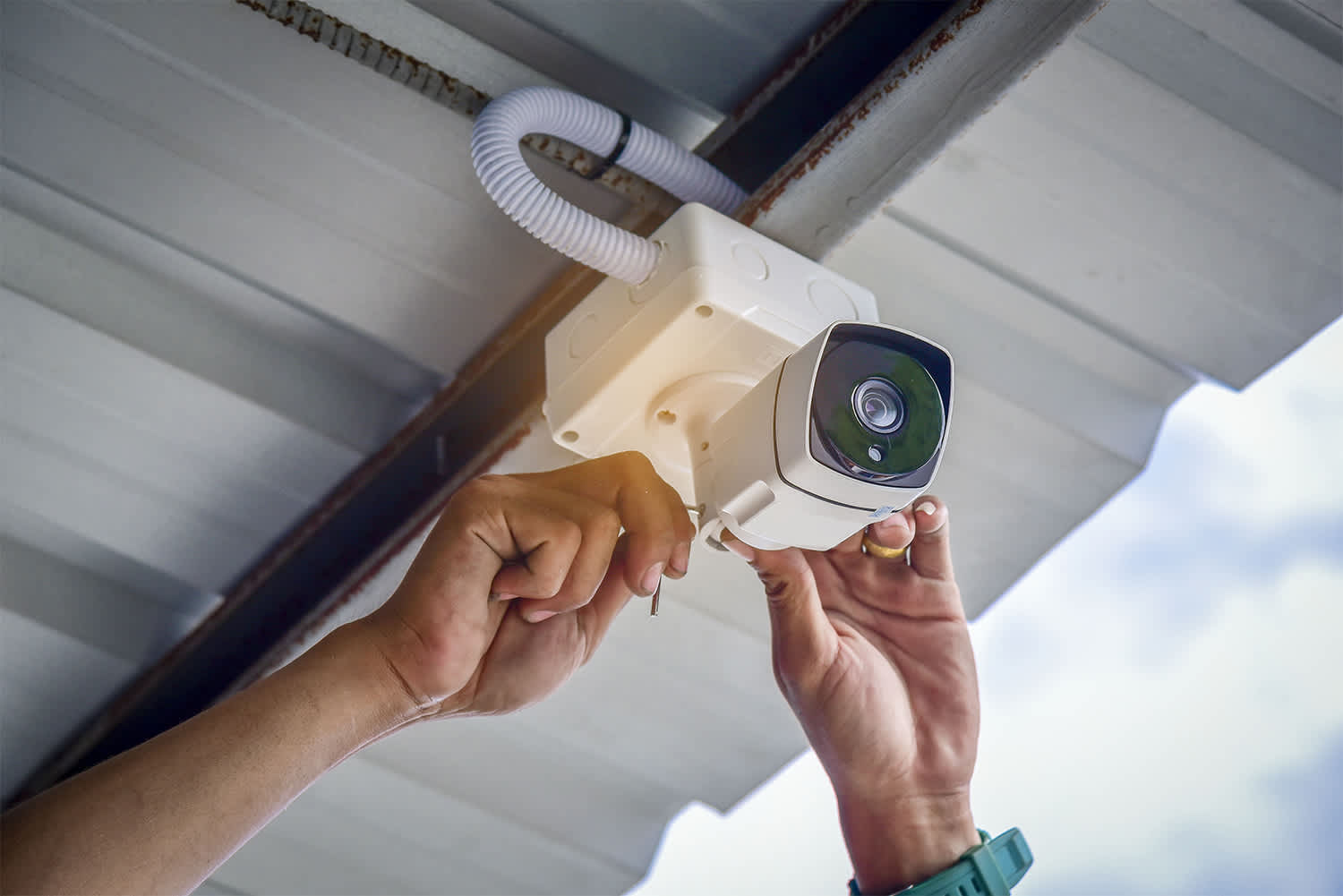
Doorbell wiring is a project you can DIY. This guide covers everything you need to know, from different types of doorbells to wiring, and how to remove an old doorbell.

Ready to upgrade your front door and learn how to wire a doorbell? You may be able to handle this relatively simple DIY installation without an electrician.