






Fire Pit Installation questions, answered by experts
According to the National Fire Prevention Association (NFPA), the leading cause of house fires is cooking accidents, followed by fires started by heating equipment. Electrical issues are the third most common cause of house fires. The best way to keep your home protected is to use caution when cooking and never leave a stove or oven unattended while in use. You can also keep up with chimney cleaning and avoid using space heaters to reduce the risk.
Your pilot light needs to be on whenever you’re using your furnace to heat your home. However, you might decide to turn it off during the summer months, when you don’t need heating. Doing this can save you a little bit of money on utility costs—just make sure you’re fine with relighting your pilot light (or hiring a professional to do it) when fall comes around and you’re ready to get cozy.
You should have either an ABC or K-rated fire extinguisher in the kitchen. ABC fire extinguishers put out wood, trash, paper, plastic, and textile fires along with grease, oil, gas, kerosene, and electrical fires. A class K fire extinguisher is specifically rated for use in the kitchen and is designed to extinguish combustible cooking materials, including grease and fat.
Yes, a water leak poses a major fire risk at your home because water is a conductor of electricity. Water that comes into contact with sparks or electrical wires can instantly ignite flammable materials. Additionally, any type of exposure to water can cause wires and other electrical components within your home to corrode. When assessing categories of water damage, it's important to know that even a small amount of moisture near wiring could cause sparks that lead to a fire.
Yes, there are regulations on using wood stoves, particularly concerning emissions and installation standards. The Environmental Protection Agency (EPA) sets emission limits for wood stoves to ensure they burn cleaner and more efficiently. Additionally, local building codes may have specific requirements for installation and venting, so it's essential to check with local authorities before installing or upgrading your stove.
The Ravalli County, MT homeowners’ guide to fire pit installation services
From average costs to expert advice, get all the answers you need to get your job done.
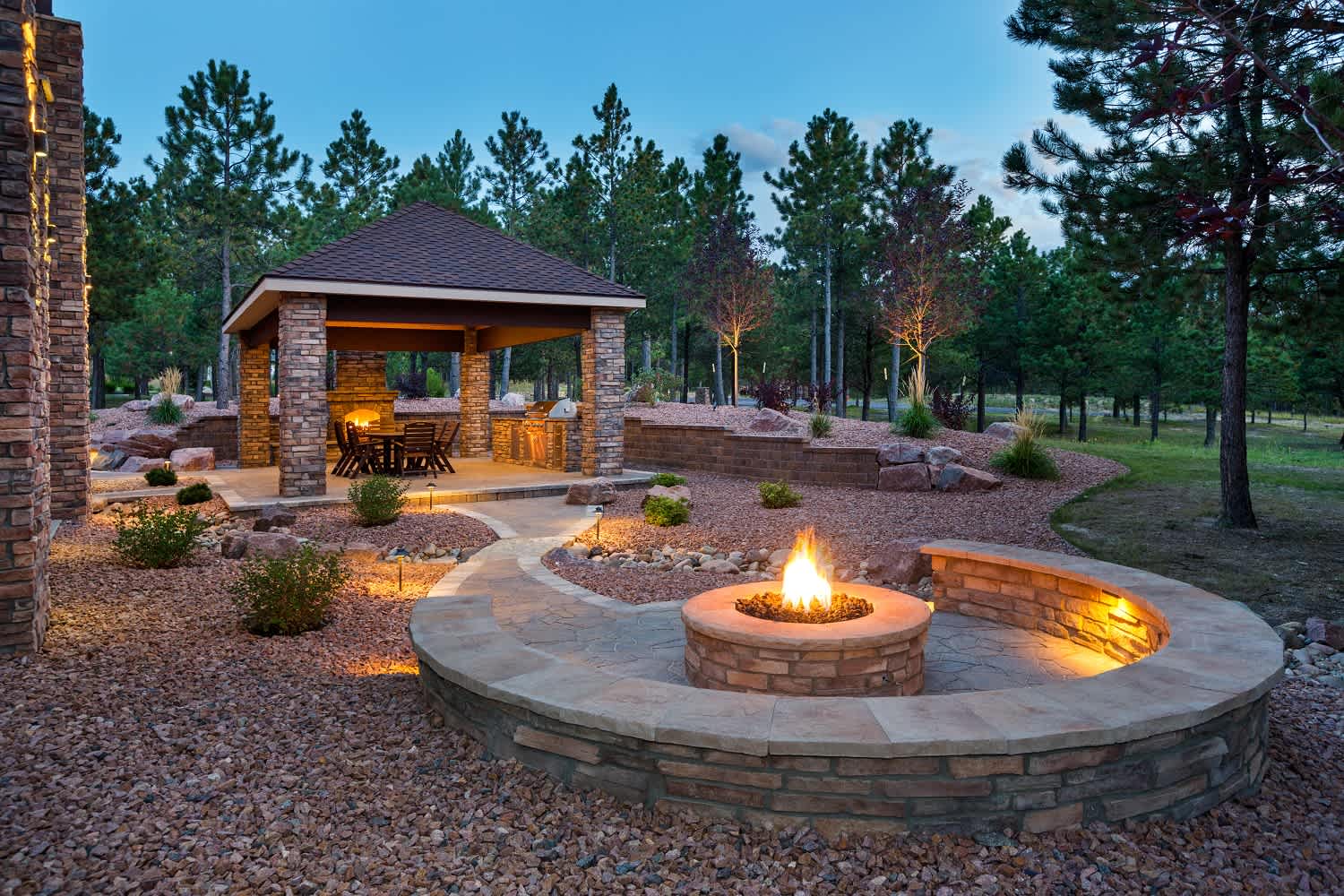
A fire pit installation costs $850 on average but can vary by size, fuel type, materials, and more. See how much you need to budget for a new fire pit.
Discover fire door cost data, including installation, materials, and tips to save. Learn what impacts fire door pricing and how to budget for your project.
Discover home fire sprinkler system costs, including installation, maintenance, and key cost factors. Learn how to budget and save on your home fire protection.
A fire pit adds attractive entertainment space to your backyard. Learn about standard fire pit dimensions and what factors contribute to fire pit size.
If you’re interested in buying a fire pit, you will likely be considering gas or wood. But what are the pros and cons of each? Find out if a gas or wood fire pit is right for you.