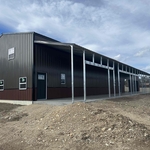
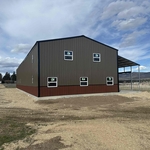
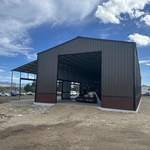
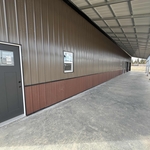
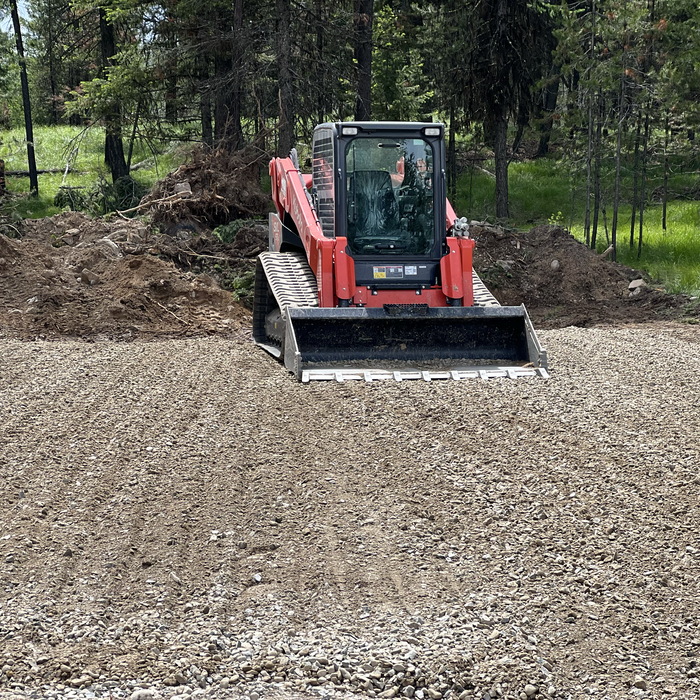
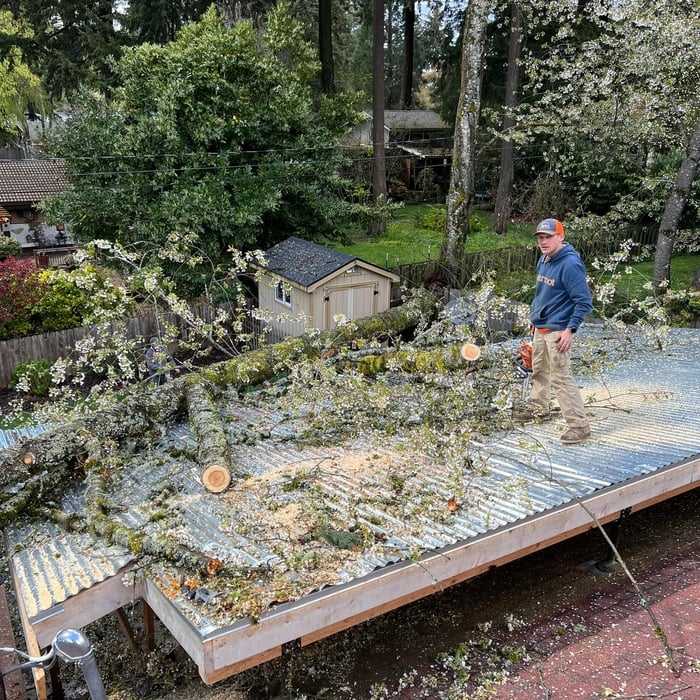
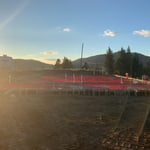
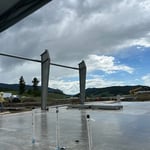
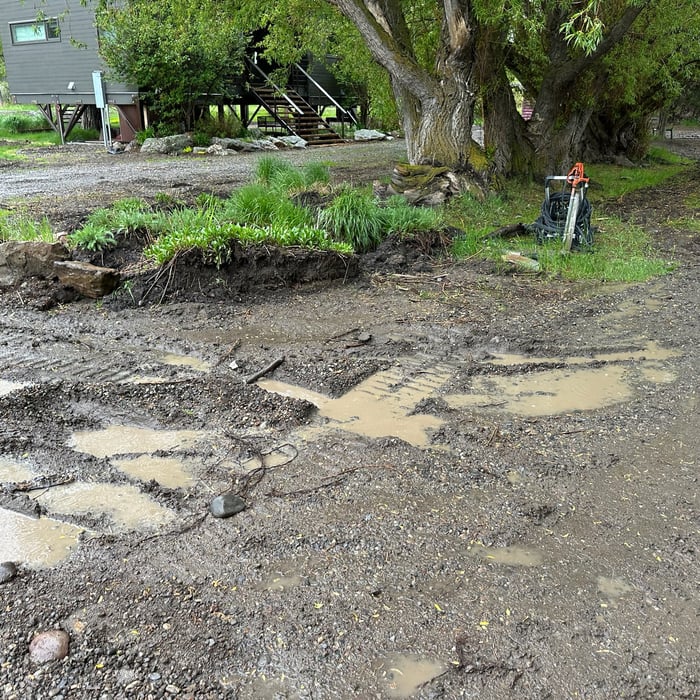
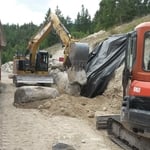
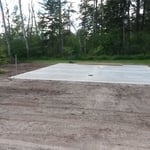
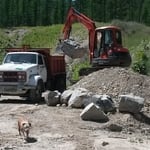
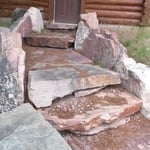
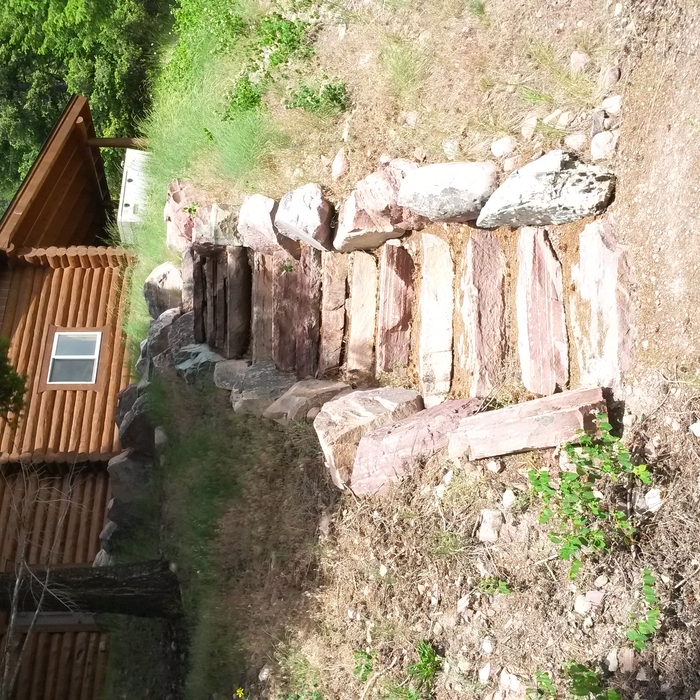
"Peter was incredibly professional from start to finish. We had a major grading and site prep project that he finished quickly and safely. I look forward to hiring Bridger Construction for all my future excavation, stump removal, and lot clearing projects in the future."
Founded in Montana, ED Enterprises LLC is committed to delivering high-quality construction services built on craftsmanship, reliability, and safety. We specialize in residential and commercial construction projects, offering dependable solutions tailored to each client?s vision, timeline, and budget.
\n
\nAt ED Enterprises LLC, we believe every project deserves attention to detail, honest communication, and superior workmanship from start to finish. Whether it?s new construction, renovations, remodeling, or custom improvements, our team works closely with clients to ensure every job is completed with precision and professionalism.
\n
\nOur mission is simple: to build lasting relationships through quality work, integrity, and customer satisfaction. Proudly serving communities across Montana, we take pride in helping homeowners and businesses bring their ideas to life with construction services they can trust.
Williams Dirtworks is a leader in providing our customers with the highest quality service in an honest, efficient, and professional way. Our pledge is to create successful relationships with our customers, employees and community by building trust, treating every project with the utmost integrity and exceeding expectations. We look forward to working with you!
Our goal is to provide honest and outstanding service through dedication, hard work, attention to detail, integrity and always focusing on our customers best interest at hand. We know that the secret to our success has and will continue to be our satisfied customers.
"Montana Excavating Services did a wonderful job on my gravel driveway and it didn't break the bank in order to get it done. It was a great expirerence and the team were courteous, timely, and respectful. I would definitely recommend Clyde Scott and his crew!"
Clear Water Contracting is the premier plumbing, demolition and excavation company serving Oregon and Washington for over almost two decades. Our #1 goal as a company is having complete customer satisfaction and there is no job that is too big or too small. If you want the job done right, call Nate today!
"We recently worked with Flathead Excavation and couldn't be happier with the experience. From start to finish, their communication was outstanding—they kept us informed every step of the way, answering all of our questions promptly and clearly. The quality of their work was exceptional, and they went above and beyond to ensure everything was done to the highest standard. Their team demonstrated incredible professionalism, attention to detail, and a genuine commitment to delivering results that exceeded our expectations. If you're looking for a reliable, hardworking excavation company that truly cares about its clients and the work they provide, I highly recommend Flathead Excavation. A top-notch team that you can trust!"
We are dedicated to providing our clients with the very best in excavation and building site services. We specialize in residential and commercial services and take pride in the attention to detail put into each of the projects we're involved with. We're known for our quality work and the integrity of our business. We look forward to building long-term relationships with our clients, and guarantee your satisfaction.
Alpine Haven Builders proudly serves its customers with pride, integrity and attention to details that matter most to you. This is one of the many things that sets us apart from the rest. We are locally owned and operated. Give us a call today!
Concrete blocks are the cheapest way to base a shed. However, the space in between allows critters to go under, burrow, and even damage your shed’s frame. For a more pest-proof option, consider building a shed base with gravel or paver stones. Both options are fairly affordable and easy enough for a DIY project. For gravel, you can build a wooden frame to contain the loose material.
Professional installers often include a deep layer of crushed gravel under permeable pavers to allow more runoff to soak through into the soil below. Many installations will include multiple layers of gravel, with coarser aggregate at the base and finer aggregate that sits on top of that bottom layer. Above the gravel, you’ll often find coarse sand that helps reduce paver shifting over time. Some permeable paver designs include a water collection system set into the gravel layer to route runoff to a safe area for disposal.
Your contractor should handle dust control during the project. It's best to speak with your contractor beforehand to check if they plan to cover your furniture, protect your vents, or use fans to redirect dust. Eliminating drywall dust is a particularly large challenge during construction, so always take this into account during your planning phase.
The best type of soil to build on is a mixture of sand and clay, known as loam soil. Loam soil has the best combination of these soil types to build a foundation on. The clay particles help with water retention, so it won’t erode like sandy soil might, and the sandy particles help with drainage, so you won’t see unsafe soil expansion or have an increased risk of leaks from water sitting against your foundation.
Most states do not require excavation companies to hold specific licenses, but many require at least a contractor’s license. Additionally, heavy equipment operators require a special commercial equipment license to operate machinery required for excavation. You can use Angi’s contractor licensing tool to confirm that an excavation company you’re considering hiring is fully licensed. You should also make sure that the excavation team is fully insured before allowing them to work on your property.
The Ravalli County, MT homeowners’ guide to excavation services
From average costs to expert advice, get all the answers you need to get your job done.
Excavation costs $1,500 to $6,300 for most residential projects—but it depends on factors like the size of the area. This guide will help you plan a budget.
You can't have an in-ground pool without digging into the ground. How much does pool excavation cost, and can you take it on yourself? Our guide explains.
Picking the right pro can make or break your project. Learn how to hire an excavation pro with the qualifications and skillset to do the job efficiently.