"The tech was very knowledgeable and went above and beyond to satisfy us. Our faucet was broken would not attach to the sink as the copper seal broke to the water lines."
"Called AHS....who sent service request to AAA Flexible Pipe. Adam came out quickly and installed new pump just before HEAVY rains hit...Fast and efficient service from AHS and AAA FLEXIBLE PIPE CLEANING."
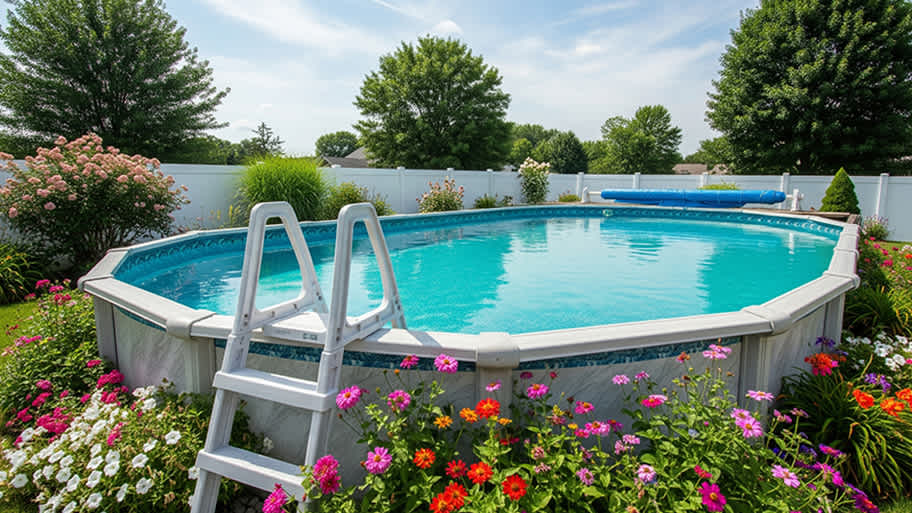
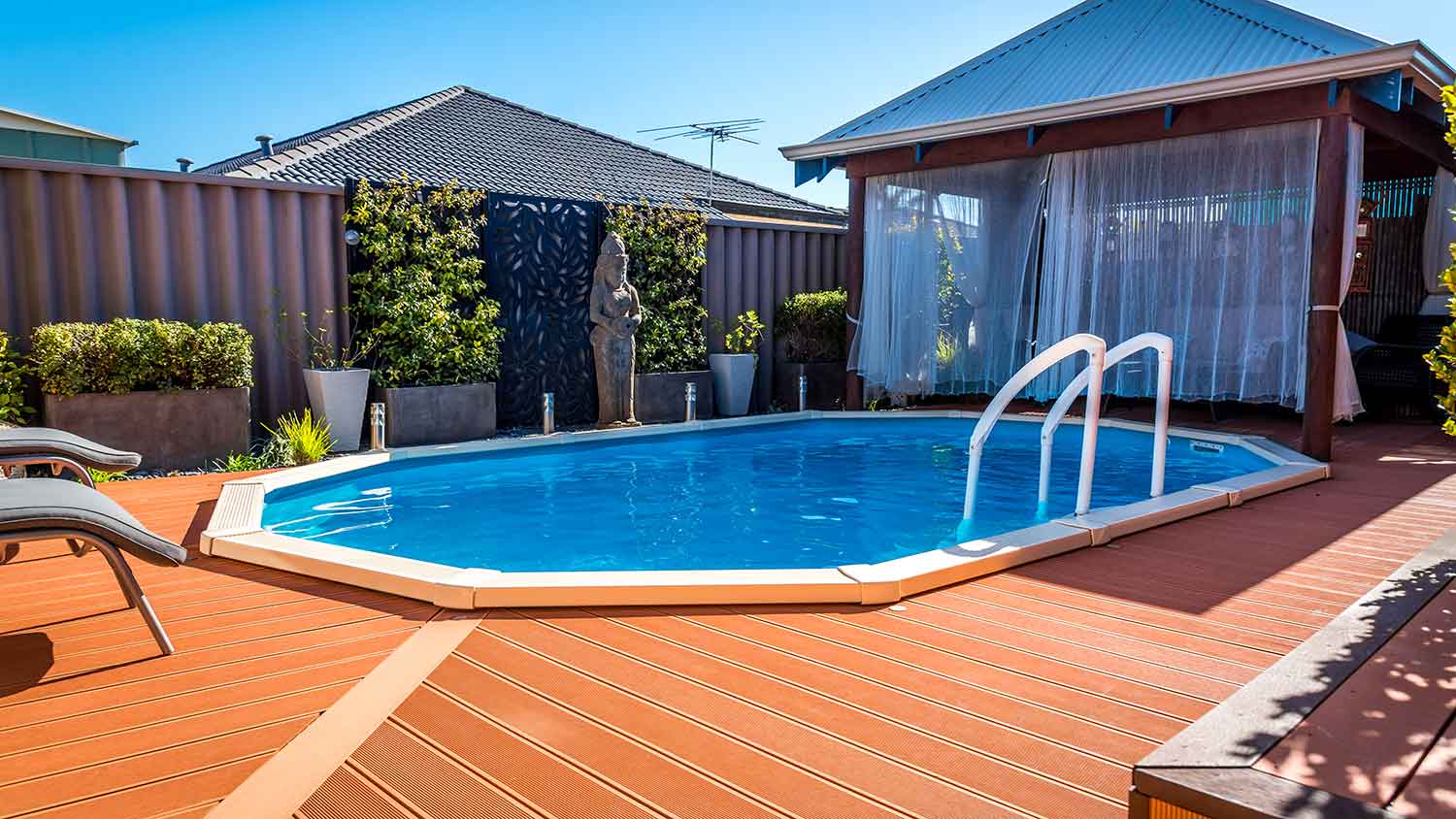
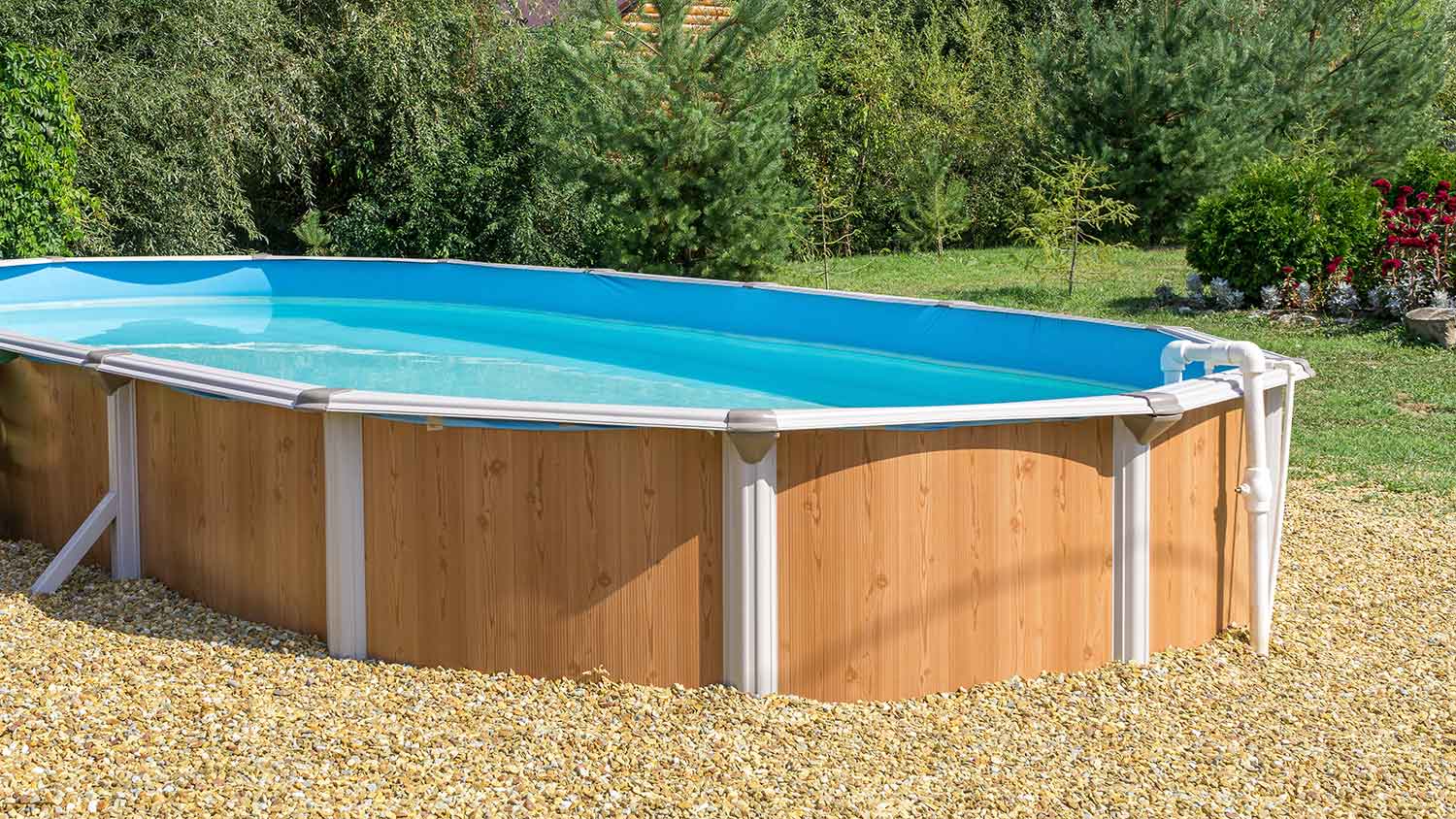
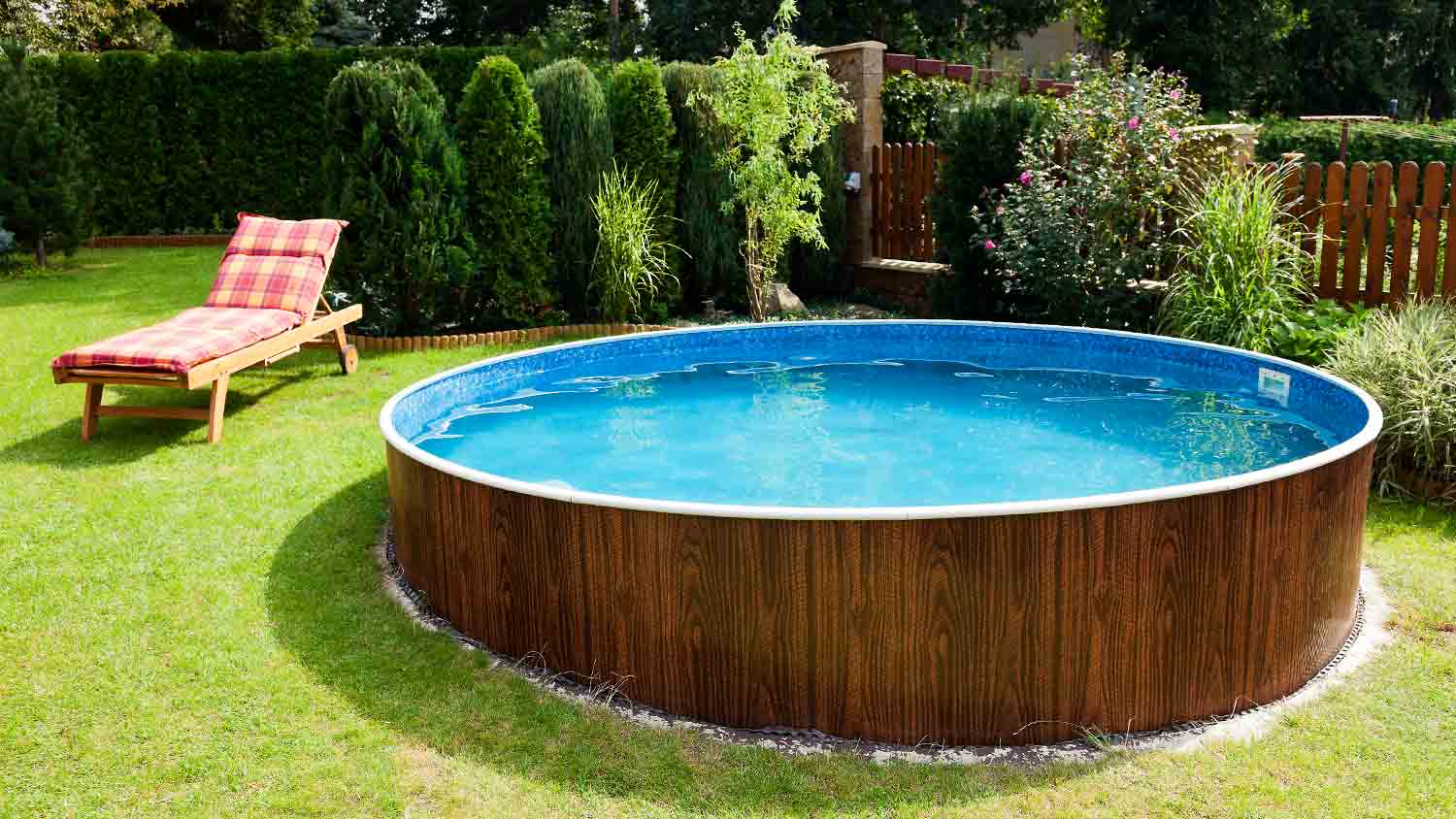
Install Above Ground Pools questions, answered by experts
A well-built and well-maintained concrete pool should last anywhere from 50 to 75 years. Concrete is prone to cracking, so winterization and regular pool repairs are particularly important. Water can seep into existing cracks, freeze, and make them worse. Most homeowners should resurface their concrete every few years to maintain their pool’s lifespan.
You do not need to excavate or lay a foundation for a stock tank pool. You should, however, level the area where you plan to put the stock tank. Also, stock tanks full of water and people can get heavy, so do not place them on a deck or other raised structure that could collapse from the weight.
Yes, adding a pool to your property will almost always increase your homeowners insurance premiums. This is because pools are considered hazardous, which increases your home's liability risk. The replacement cost of the pool itself is also factored into your home's rebuilding cost when determining coverage limits. The amount of the increase can vary from as little as $50 to several hundred dollars more per year, depending on your insurance company, location, current coverage, and installed safety features. It is best to contact your insurance agent before installing a pool to get an estimate, understand their specific guidelines, and factor the ongoing cost into your budget.
Concrete pools are very durable but can crack if not properly maintained. The most significant risk is winter weather and low temperatures when water can seep into crevices and freeze. To avoid damage, use the proper winterization chemicals, and don’t completely drain your pool. Concrete pool repairs cost around $75 per linear foot for small cracks.
A swimming pool pump has to have water in it to run properly. If the pump isn’t primed and tries to run when it’s dry, the components will overheat which can cause the pump to seize up and can even damage the PVC pipes that carry the water into and out of it. Essentially, running a pump that isn’t primed can lead to having to replace the entire pump.
The Harlem, MT homeowners’ guide to above ground pool installation services
From average costs to expert advice, get all the answers you need to get your job done.
Above ground pools are more affordable than inground pools, so can you put an above ground pool in the ground to save money? Learn when it’s safe to do so.